

The invisible working environment around mobile power.

Particulate emissions up to 250x higher than permitted limits.

Watch the particle measurement film

A service vehicle often does more than carry people and tools. It can also supply the power needed to get the job done.


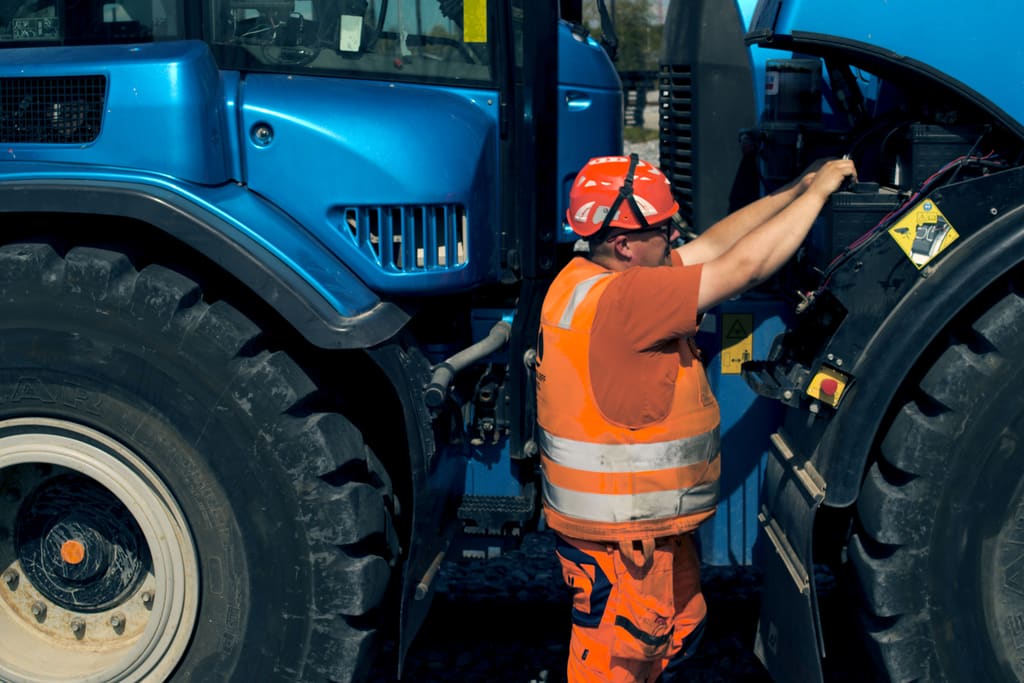
When that power comes from a fossil-fuelled generator or an engine-driven PTO, the emissions are produced right where the work takes place — often close to the people doing it.


Together with Kåre Press-Kristensen and the Danish Technological Institute, we set out to understand what that means for the working environment.

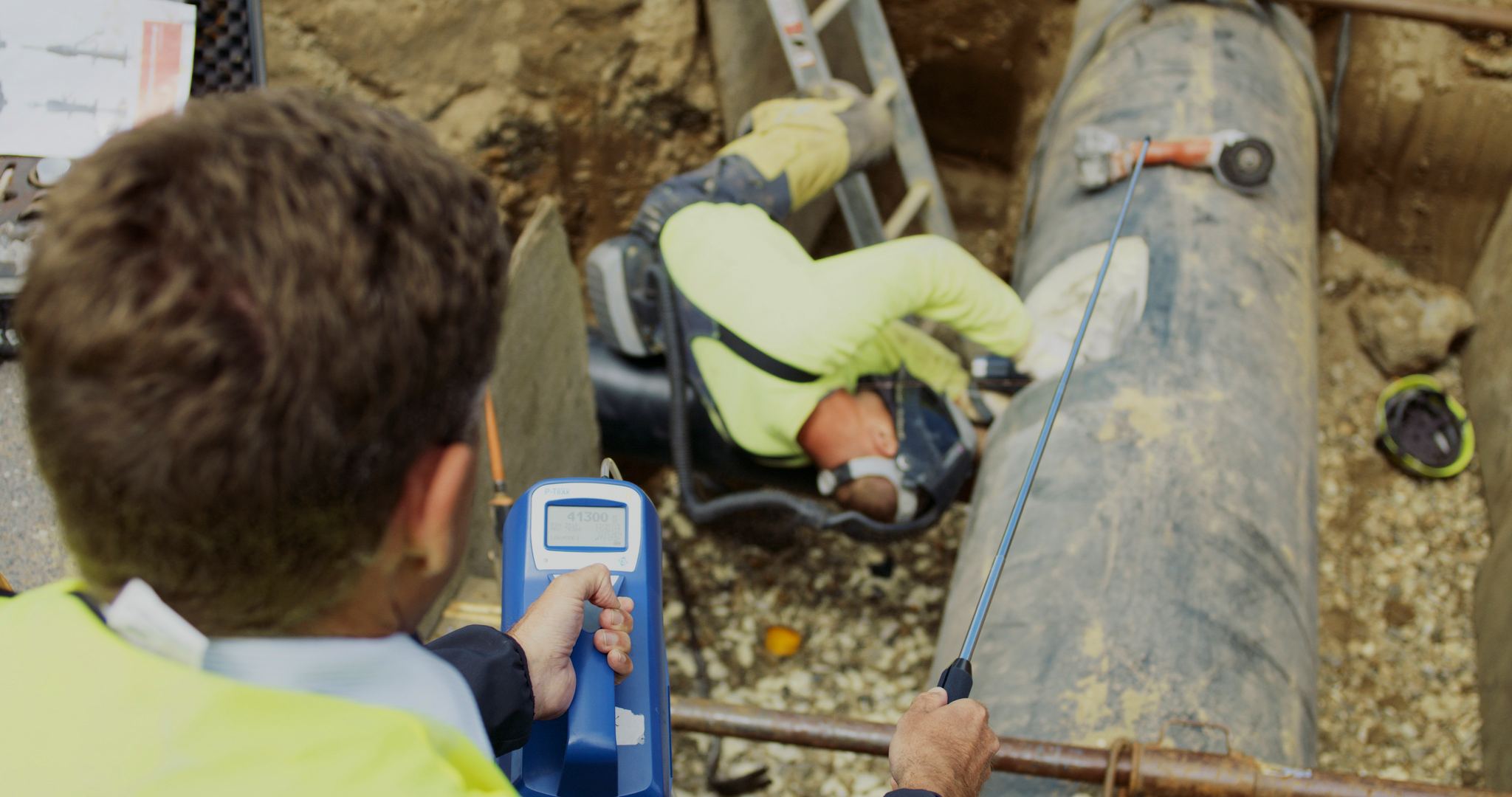
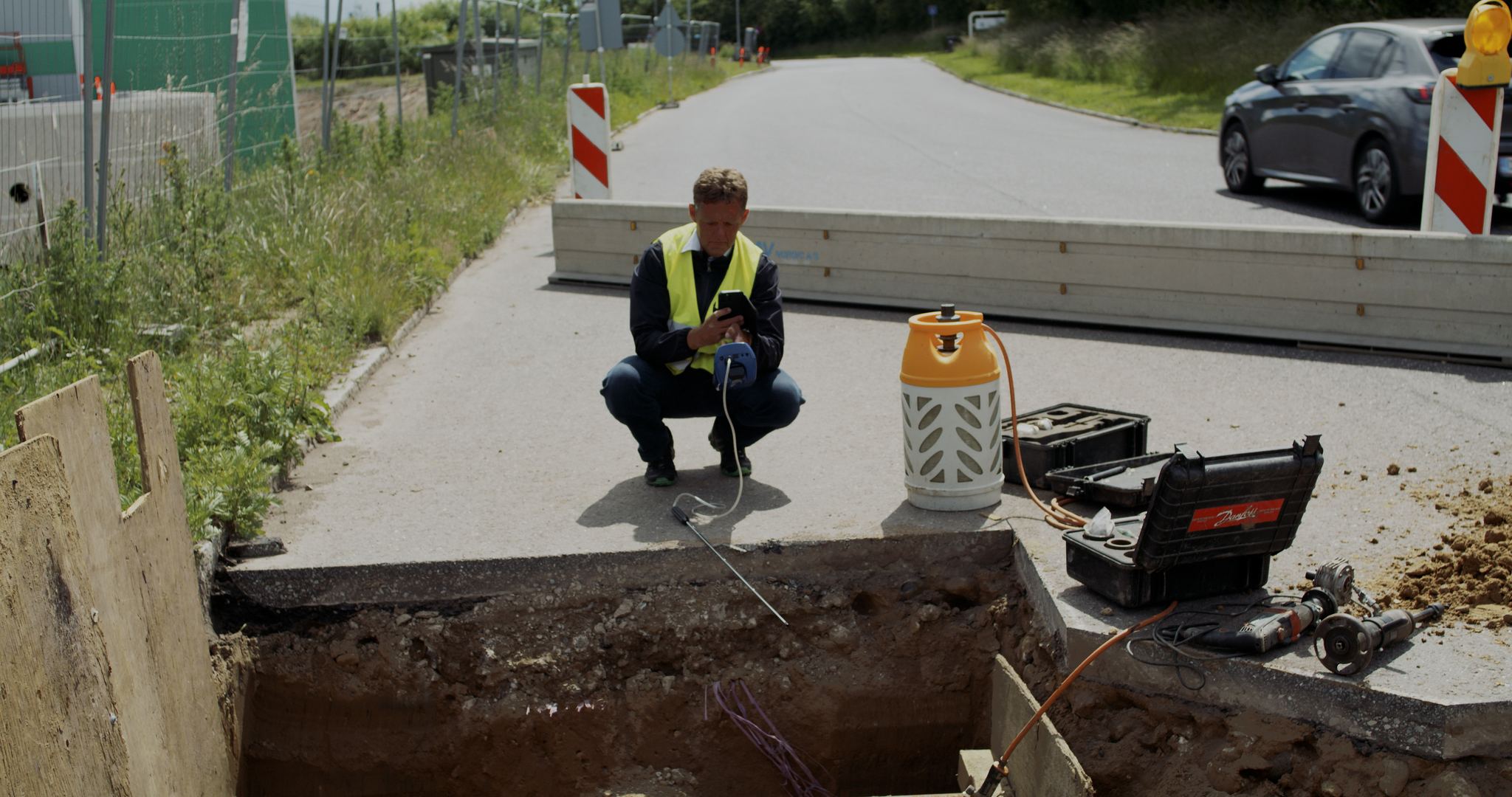
We measured the particulate emissions from a petrol generator and a diesel generator in use as a power source.


The aim was to put numbers on something that is otherwise hard to see: the particles released into the immediate working environment.


The measurements gave us a clearer picture of what workers can be exposed to when power is produced close to where they work.

“The ideal solution is electric power.”

Kåre Press-Kristensen

Generator exhaust contains gases and particles.

According to Kåre Press-Kristensen, the exhaust from petrol and diesel generators contains harmful gases as well as particles of varying sizes.


Larger particles tend to settle in the airways, while the smallest, ultrafine particles can travel deep into the lungs. That makes these emissions worth considering wherever combustion takes place close to people at work.


Because ultrafine particles simply cannot be seen, measuring them gives us a better understanding of the exposure around the equipment.


The petrol generator produced around five times as many ultrafine particles.

The Danish Technological Institute measured ultrafine particle emissions from both generators. Both produced ultrafine particles. But the difference between them was surprising.


In this particular test, the petrol generator produced around five times as many ultrafine particles as the diesel generator tested.


“I did not expect the petrol generator to produce around five times as many.”

Søren Hanghøj Møller, Danish Technological Institute.


The measurement relates to these specific generators and test conditions, so it should not be read as a general comparison between all petrol and diesel generators.

What it does highlight is useful in itself: actual emissions may not always match our assumptions.


Particulate emissions from generators
avoided by Kemp & Lauritzen.

Particulate emissions 250x higher than permitted limits.

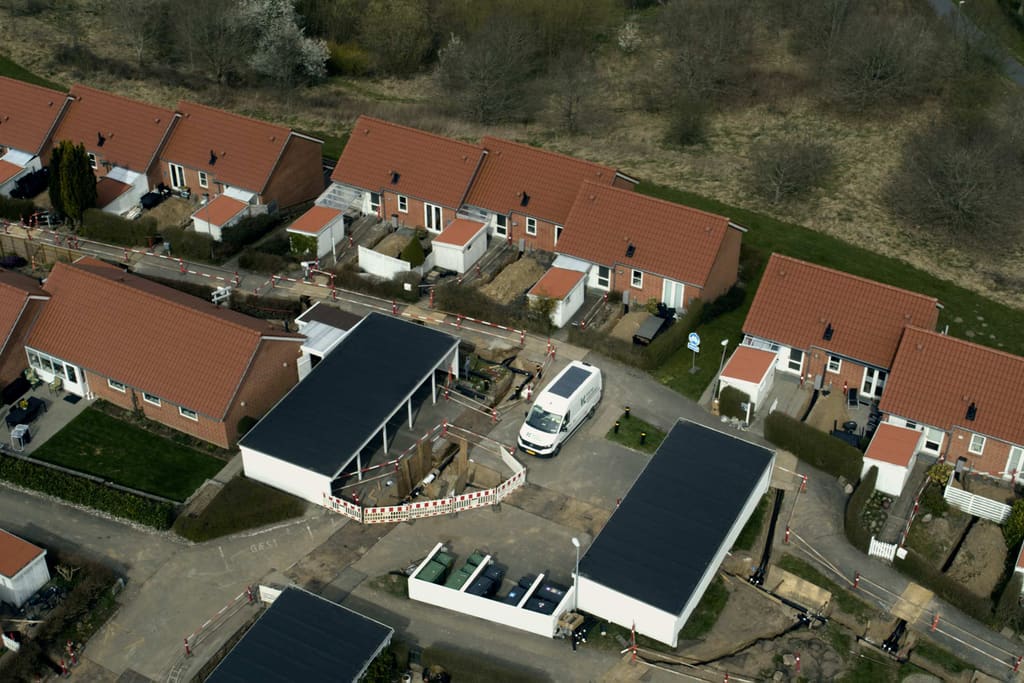
In Kemp & Lauritzen's district heating division, 22 vehicles head out every day to jobs that demand serious power. Until now, the division has relied on petrol and diesel generators — but seven battery-powered energy systems are now in operation, and they are already making a noticeable difference to the working day.

See the case study


The van is more than a vehicle.

For technicians and service professionals, the van often becomes a mobile workplace.


People work in and around it. Tools need power. Equipment needs charging. And energy needs to be available wherever the next job happens to be.


For fleet managers, this means there is a wider perspective to consider when designing the energy setup.


Capacity, runtime, reliability and cost remain important. But the way energy is produced – and what happens around the vehicle while it is being produced – should be part of the equation too.

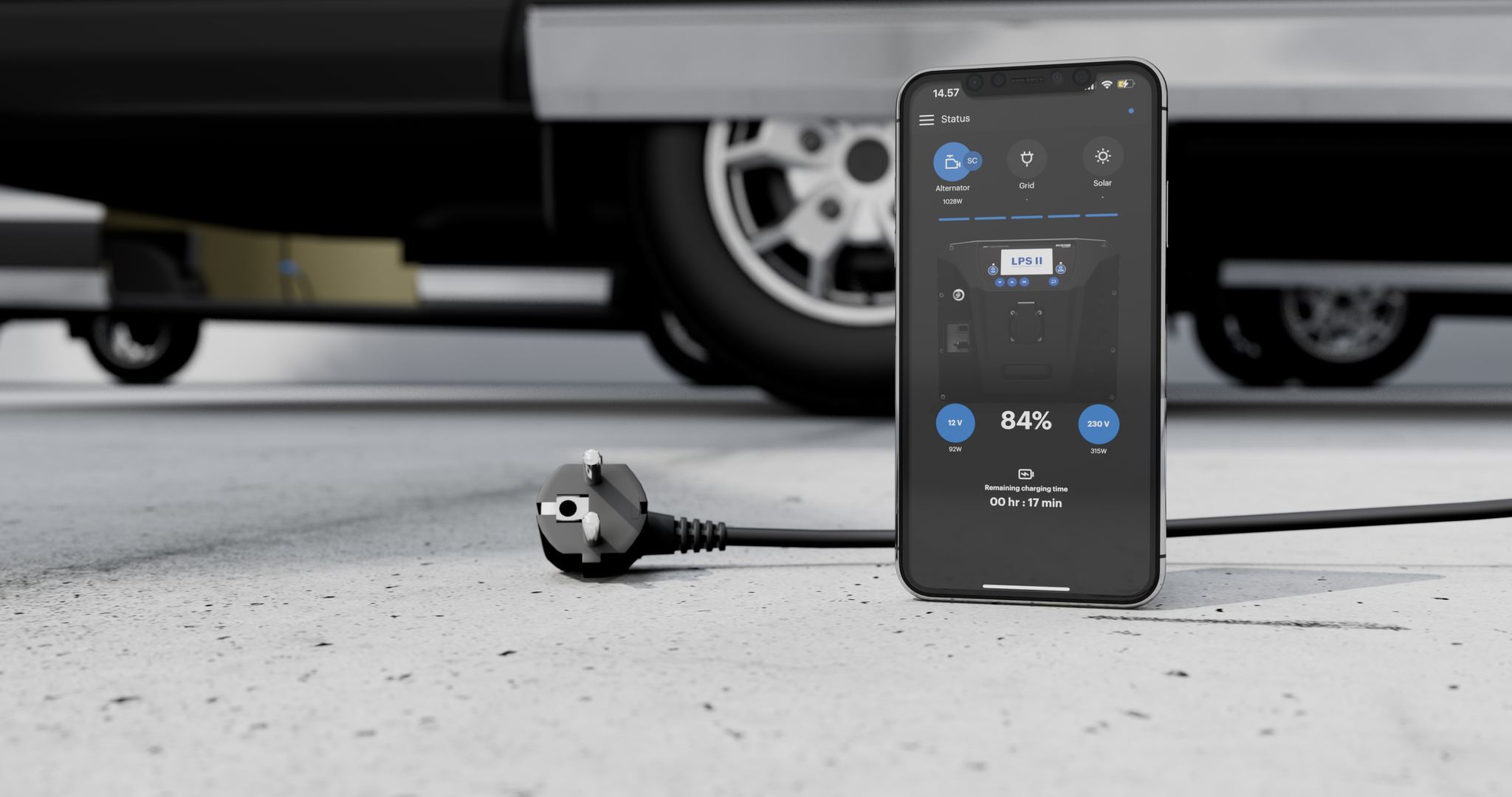
Electric power removes generator emissions at the point of use.

Traditionally, a generator has been a straightforward way to get electrical power where there is no grid.


Today, energy can also be stored onboard the vehicle and drawn on to run tools and equipment as needed.


That changes one important part of the mobile workplace: electrical power no longer has to be produced by combustion next to the people doing the work.

For fleet managers, this opens up a different way of thinking about mobile energy. Not simply which power source to choose, but how the complete energy system can best support the work.


How much energy is actually needed?

When is it needed?

Which equipment needs to run?

And how can that power be supplied reliably throughout the working day?

At least, that is how we approach mobile energy: as a system designed around the operation and the people relying on it. The particle measurements add another useful perspective to that conversation.

“The ideal solution is electric power.”

Kåre Press-Kristensen

A better power setup for the working day.

Give your team reliable power from the vehicle — without adding generator routines, idling or unnecessary charging stops.


Fleet power systems

For fleet operators

Learn more

Vehicle power integration

For converters and sellers

Learn more