From noisy idling to silent mobile power
Case study: Virgin Media O2
From noisy idling to silent mobile power.
How Virgin Media O2’s network engineers keep a 24/7 network running – quietly, efficiently and without an idling engine.
Explorer the system configurator.
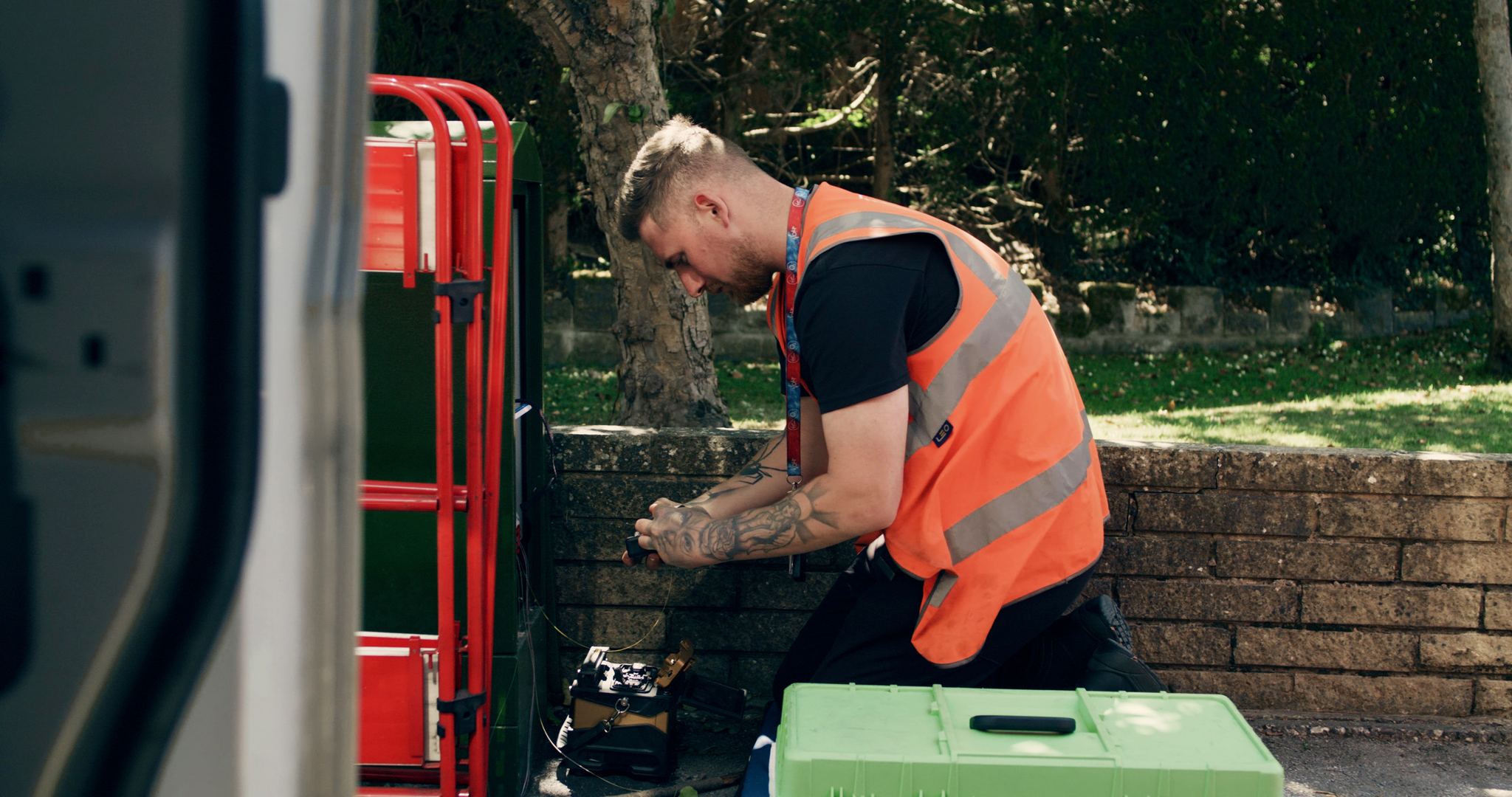
Silent, engine-off operation – no idling, less fuel and fewer emissions.
Clean, stable sine-wave power for sensitive test equipment.
230 V AC and 12 V DC power simultaneously.
Including built-in Jumpstart function for flat starter batteries.
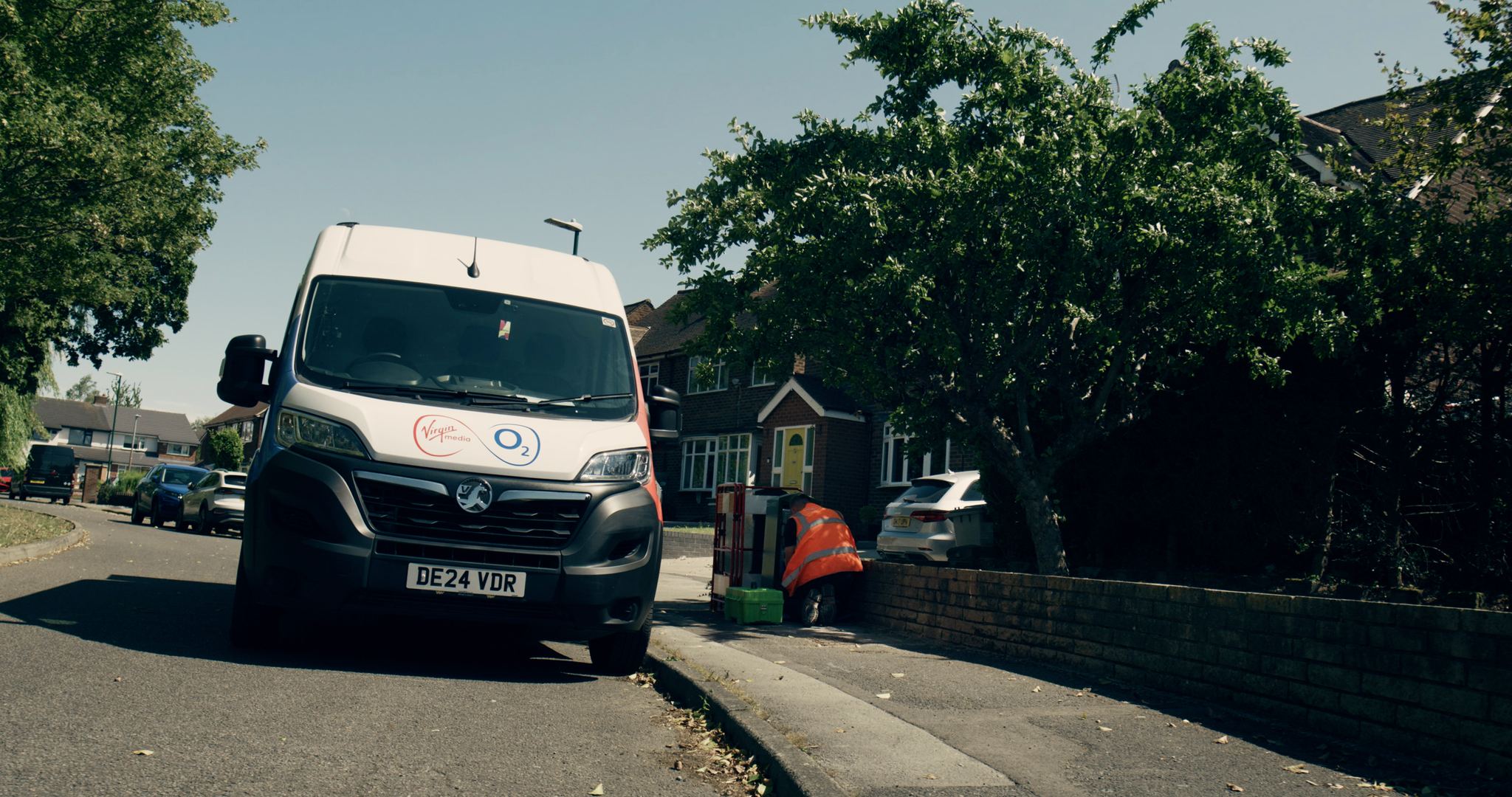

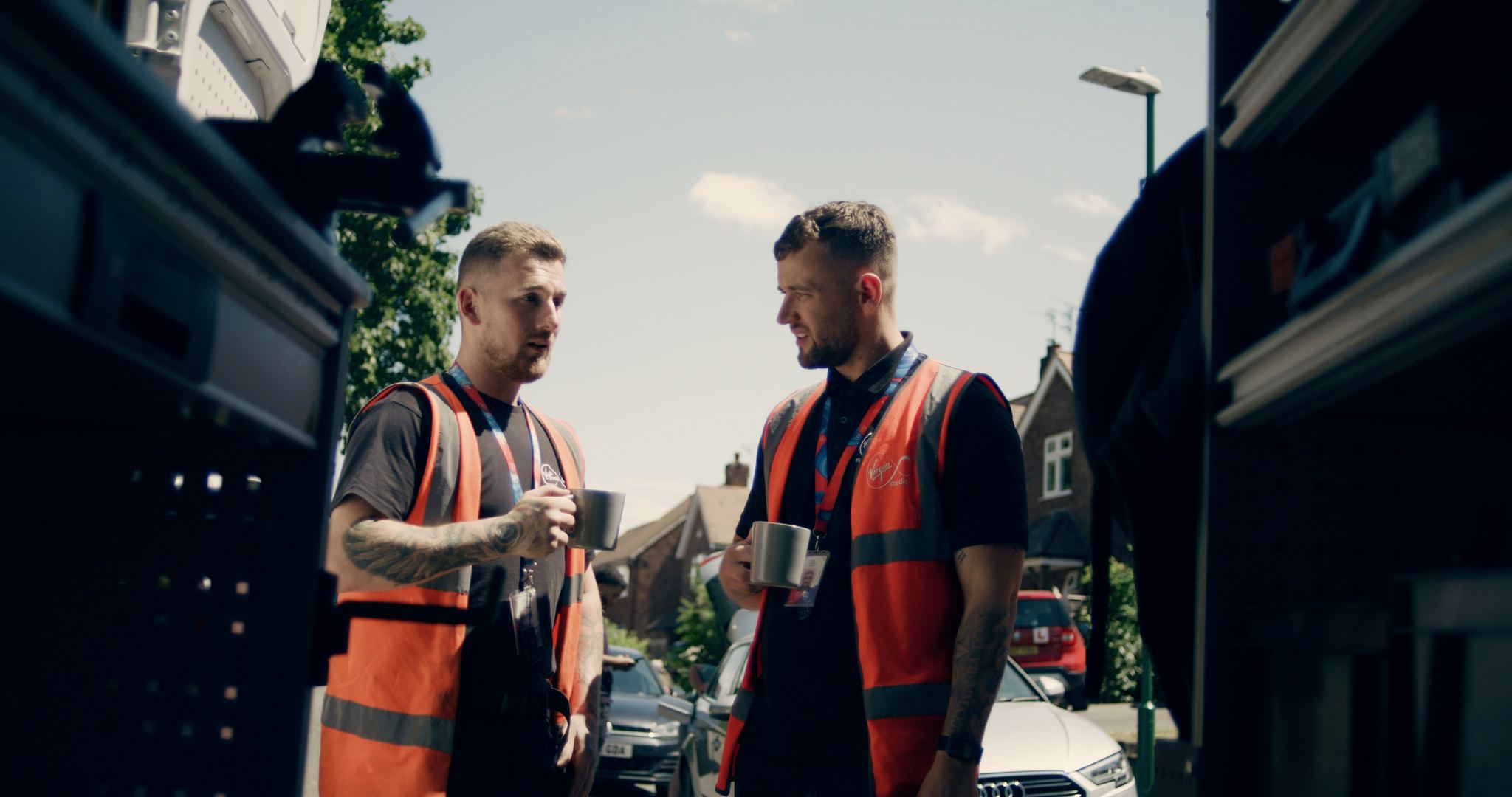
"It can all be done with engine off."
Ben Hughes, Regional Operations Manager
The challenge. Keeping engineers powered without the noise and emissions.
Power wherever the job takes them.
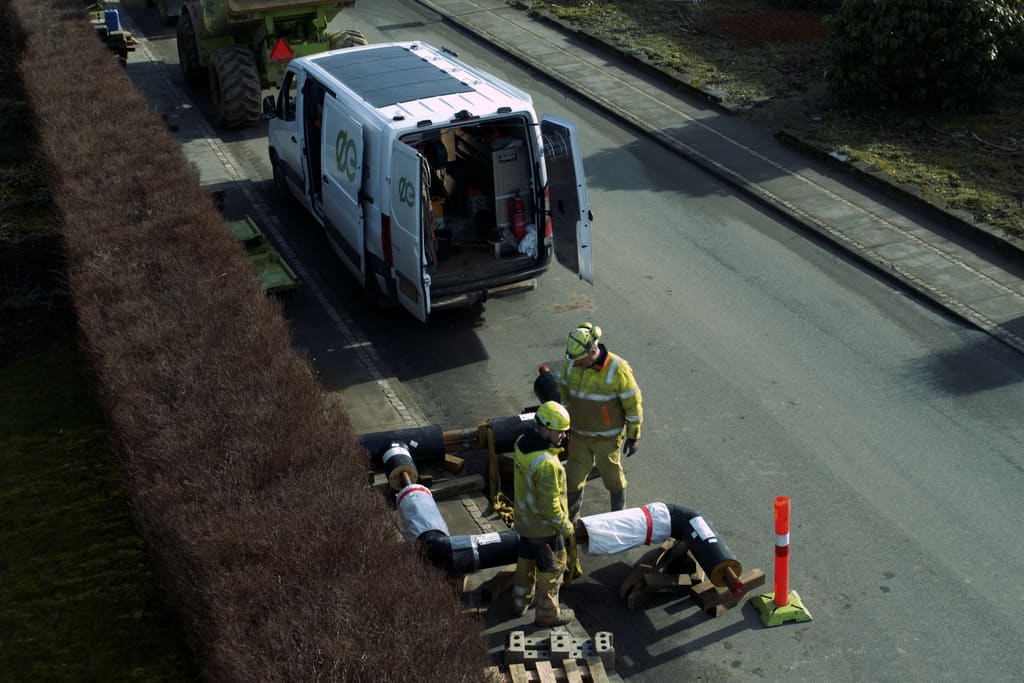
Virgin Media O2’s network engineers work around the clock to maintain and repair a nationwide network. They arrive on site, tools in hand, ready for whatever the day brings. Wherever a fault occurs, they need dependable power for their tools and test equipment – and a comfortable place to work, in all weathers.
Less noise, fuel and emissions.
Powering tools and test equipment on site has often meant using petrol generators or running vehicle engines. For Virgin Media O2, the opportunity was to provide that power with less noise, fuel use and emissions – particularly when working close to customers’ homes.
The vehicle-conversion partner.
Virgin Media and its vehicle-conversion partner, bott, saw an opportunity to improve day-to-day operations and working conditions for the engineers – while supporting Virgin Media’s net-zero ambition.
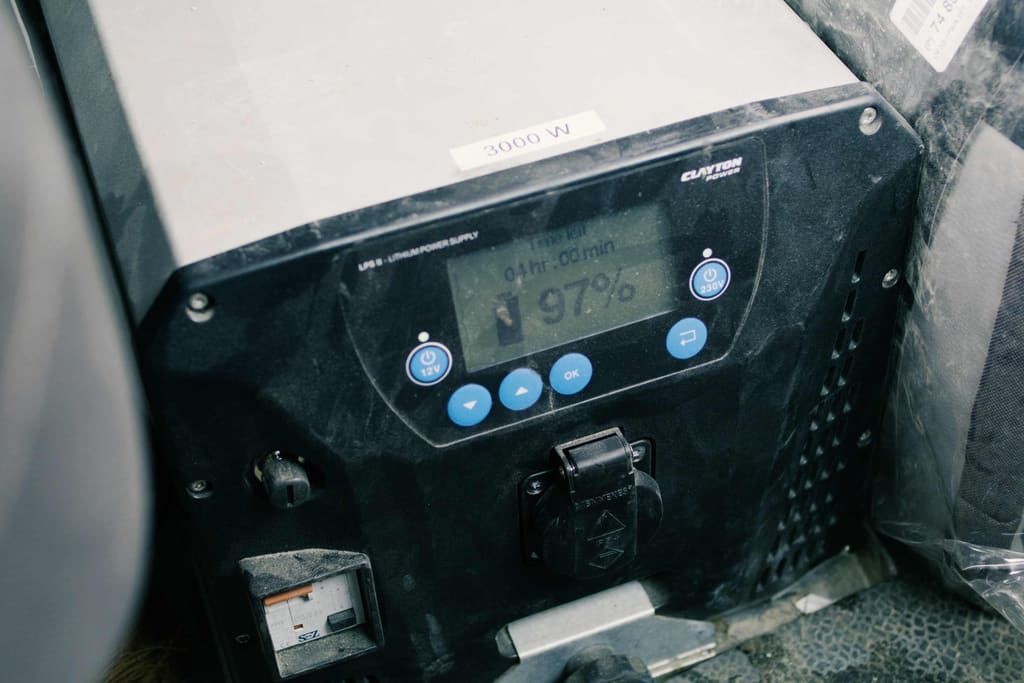
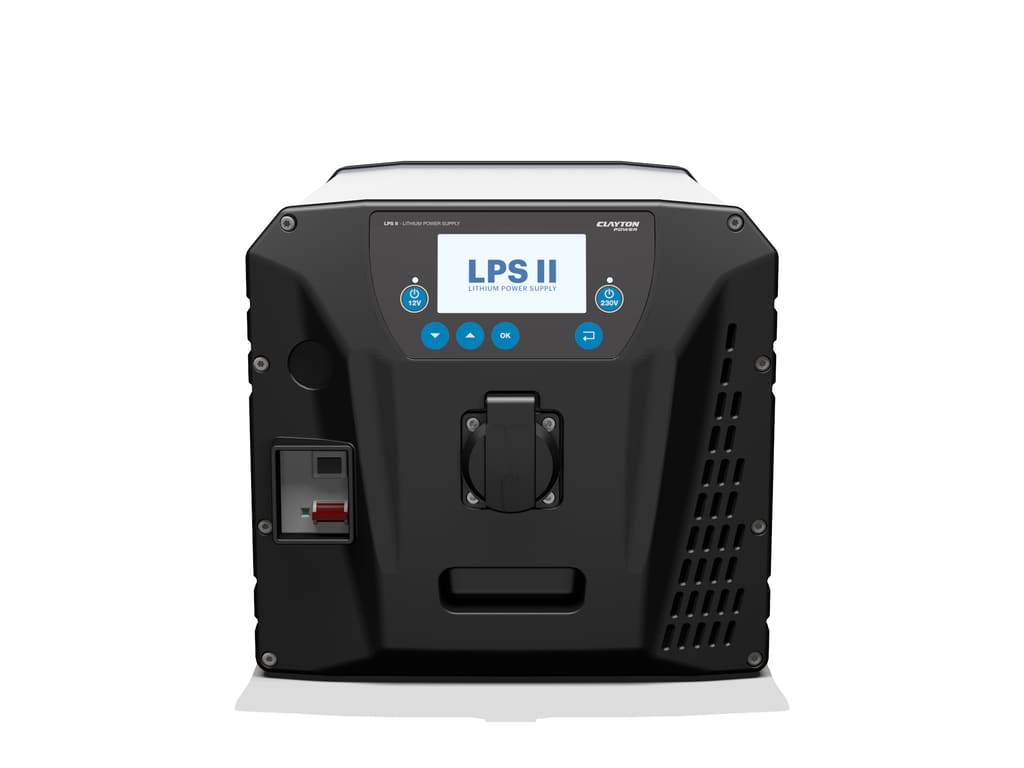
At the heart of the solution is our LPS II – a compact, high-output lithium power system that lets engineers run their equipment without a generator or an idling engine.
Better working conditions, lower environmental impact.
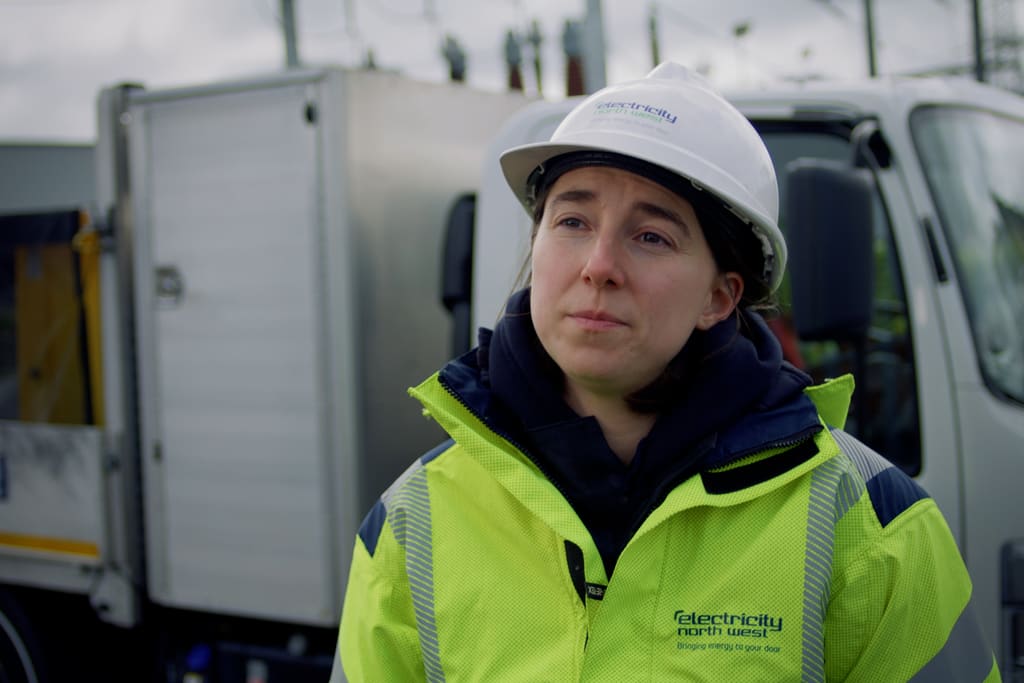
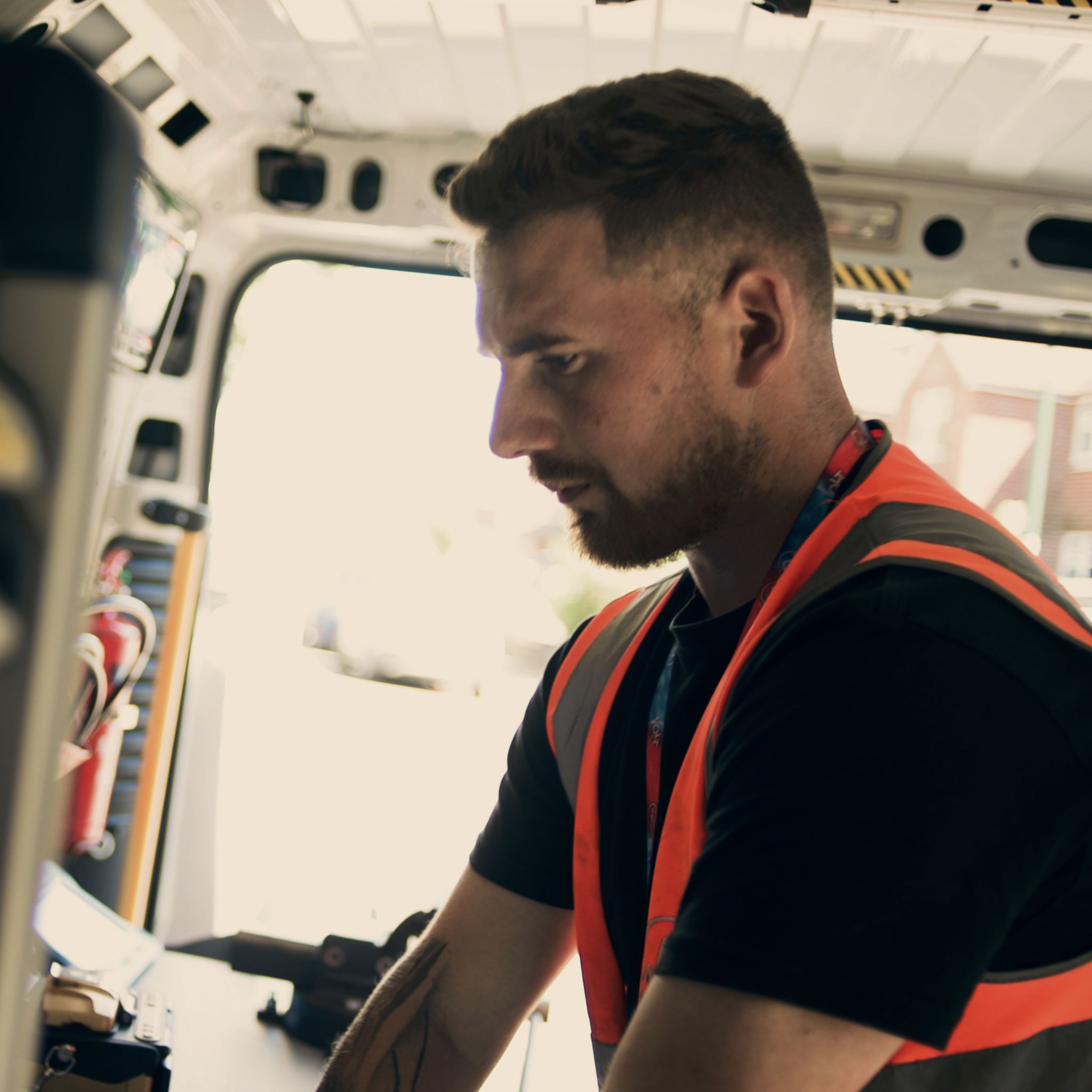
Out on the network, the difference is felt every day. As Network Engineer Dean Parry explains:
“Previously, splicing in the middle of the winter could get quite hard – being freezing cold and trying to keep myself warm. But now I have access to this system. I can keep myself warm and comfortable in a working environment without having the van idling.”
Typical savings
95kg
Payload saved
Read moreShow less
Less system weight frees up valuable payload capacity for tools and equipment.
660hrs
Annual saved engine idling
Read moreShow less
Battery power eliminates the need to run the van engine while working on site.
858litres
Annual saved fuel
Read moreShow less
Avoiding engine idling reduces diesel consumption and operating costs.
2290kg/CO2
Annual carbon reduction
Read moreShow less
Lower fuel consumption means fewer CO2 emissions from daily operations.
The solution. LPS II integrated into Virgin Media O2’s fleet.
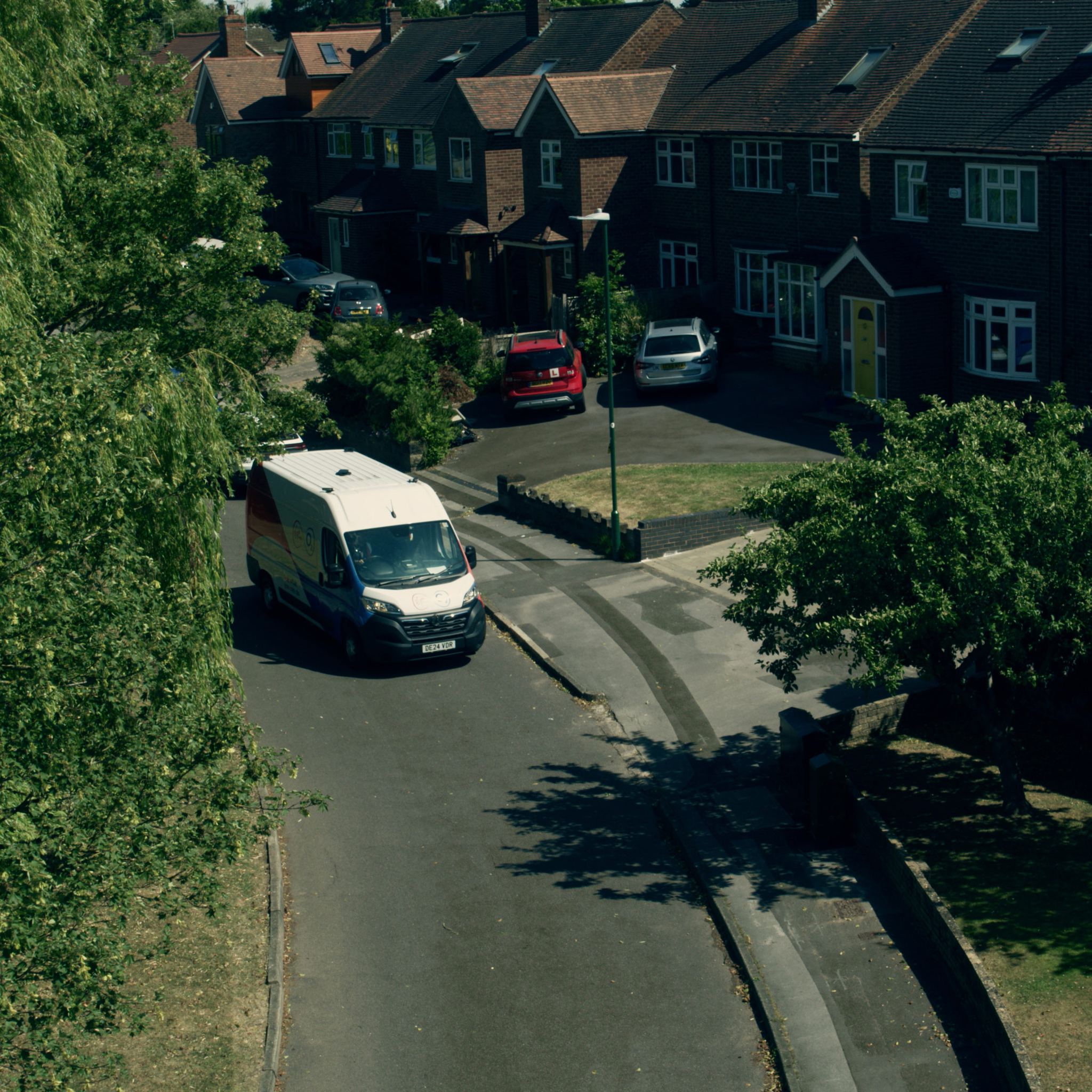
To give Virgin Media O2’s engineers dependable power wherever the job takes them, bott integrated the LPS II into the network engineering vehicles. The all-in-one system is engineered for reliable performance in demanding environments.
Typical working day setup
At each job
Job setup, 2 h on site. The minutes your equipment actually runs.
Leaves 07:30, home 16:00. 3 jobs, 2 h 30 min on the road.
Tools run 5 min of the 2 h. Lights are on for up to 1 h 30 min.
Through the day
Not tied to the jobs: it charges or runs whenever it's needed.
The LPS II series
One system.
A better way to work.


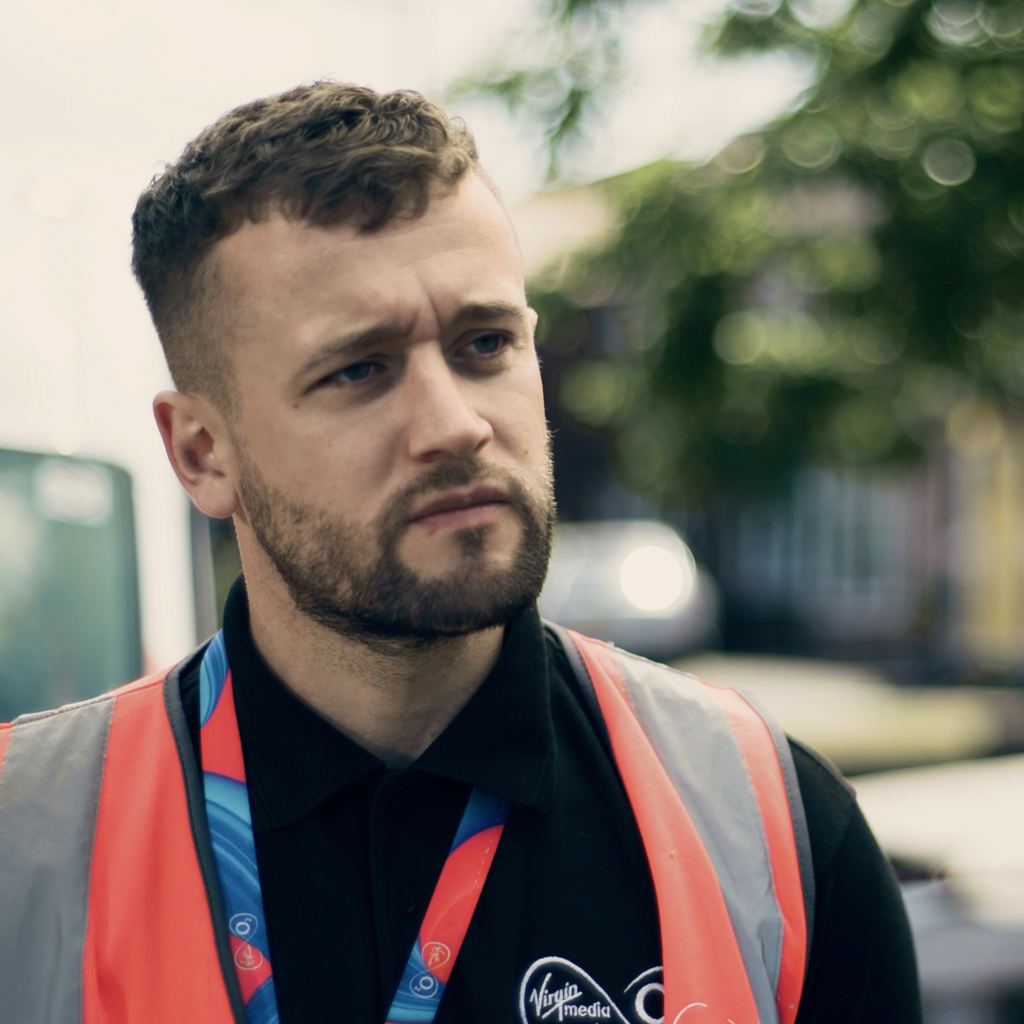
“It is great for our net-zero ambition, and great for our customers as well because they don’t hear a noisy diesel van outside."
Ben Hughes
Regional Operations Manager, Virgin Media O2
FAQs
Engineers relied on running vehicle engines or petrol generators to power their tools, battery chargers and test equipment on site. This created unnecessary noise, fuel consumption and emissions, particularly when working close to customers’ homes.
The LPS II provides 230 V AC and 12 V DC power simultaneously, with up to 3,000 W continuous output. Its pure sine-wave output is suitable for sensitive test equipment as well as power tools and battery chargers.
Engineers can power equipment and maintain a comfortable working environment without keeping the van engine running. Virgin Media O2 Network Engineer Dean Parry highlights the difference this makes when working outdoors during winter.
The LPS II weighs just 28 kg, compared with conventional power setups weighing up to 150 kg. This helps preserve payload capacity for tools and equipment in service vehicles.
Engineers can carry out repairs close to homes and businesses without the noise of a petrol generator or an idling diesel engine. This reduces disturbance while essential network services are restored.

Ready to make your work vehicle more capable?
Tell us what equipment you need to power and how your vehicle is used. We will help you find a setup that fits your daily operations.
Give Clayton Power a ring: +45 46 98 57 60
or see how to improve fleet performance
Proof in the field
Real examples of how mobile teams use Clayton Power to support reliable operation, cut their reliance on generators, and make service vehicles more capable day to day.