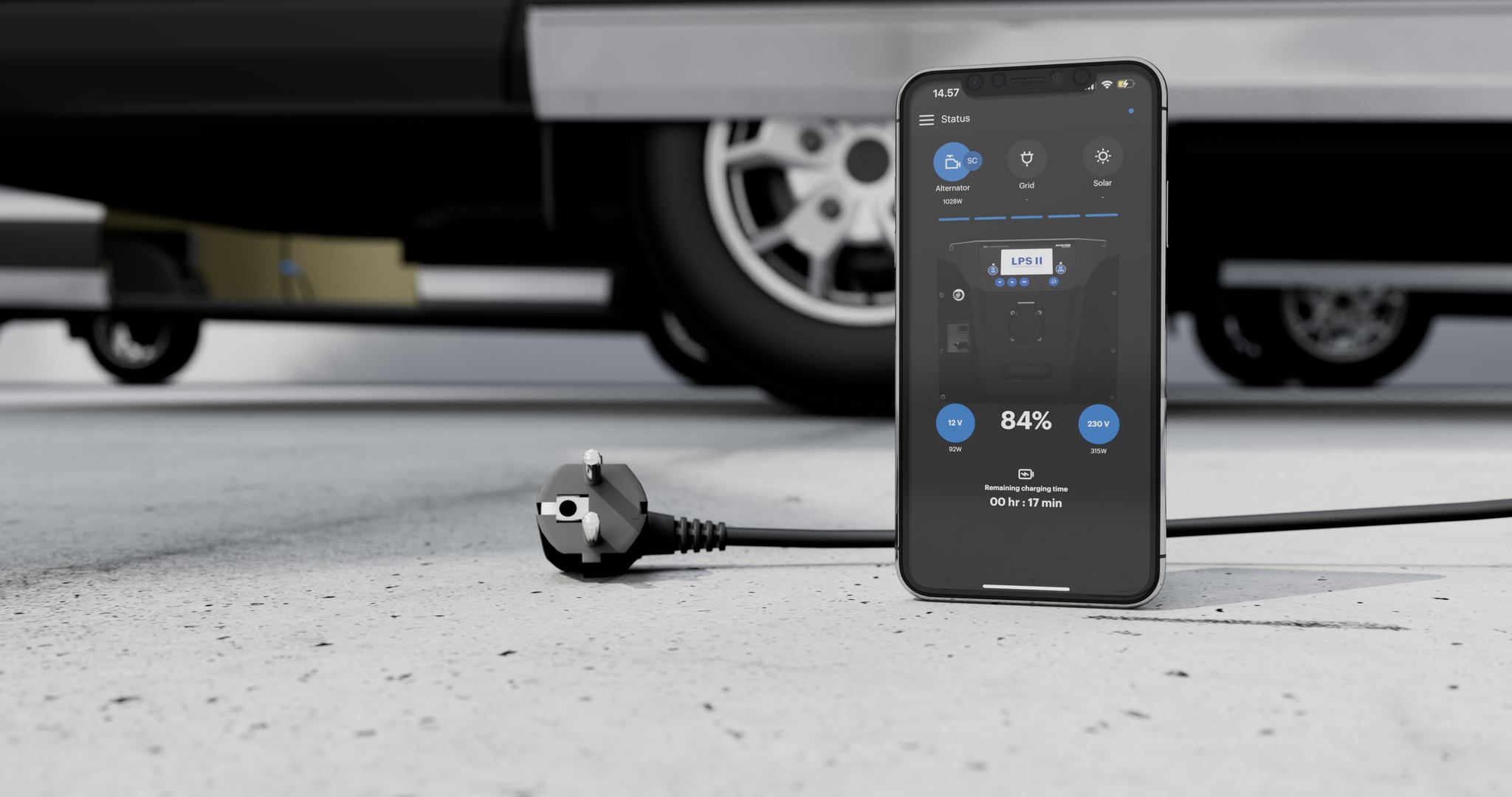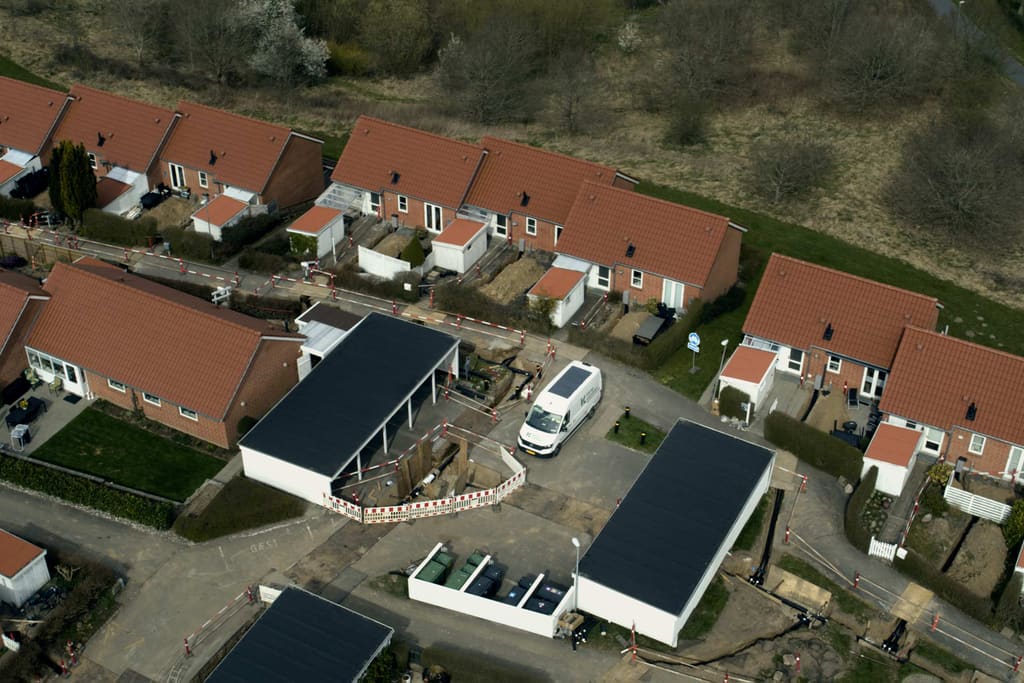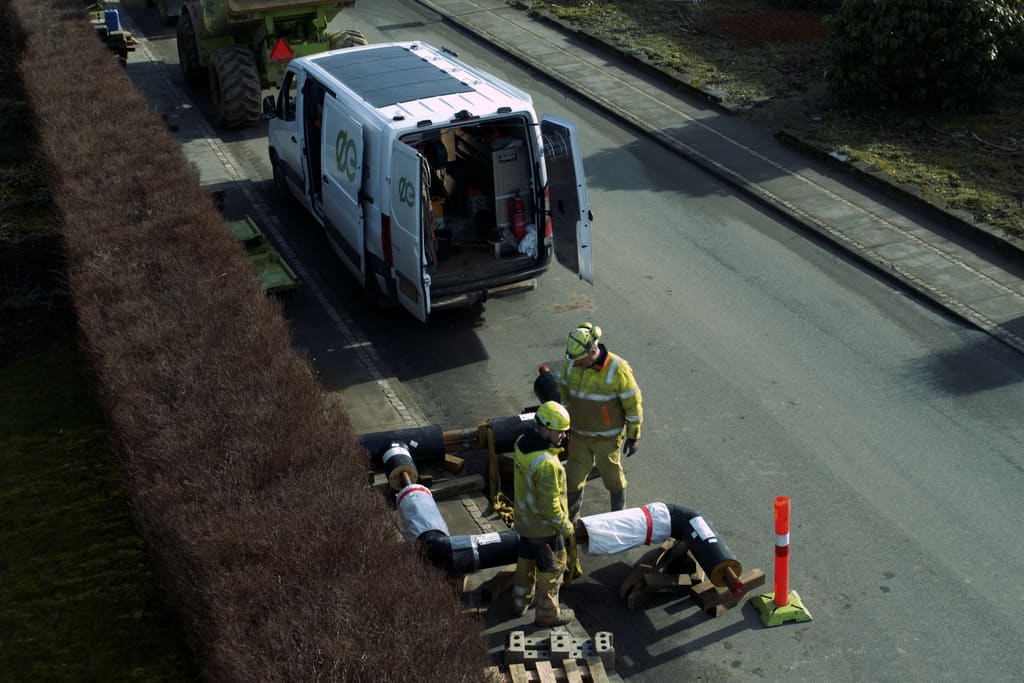
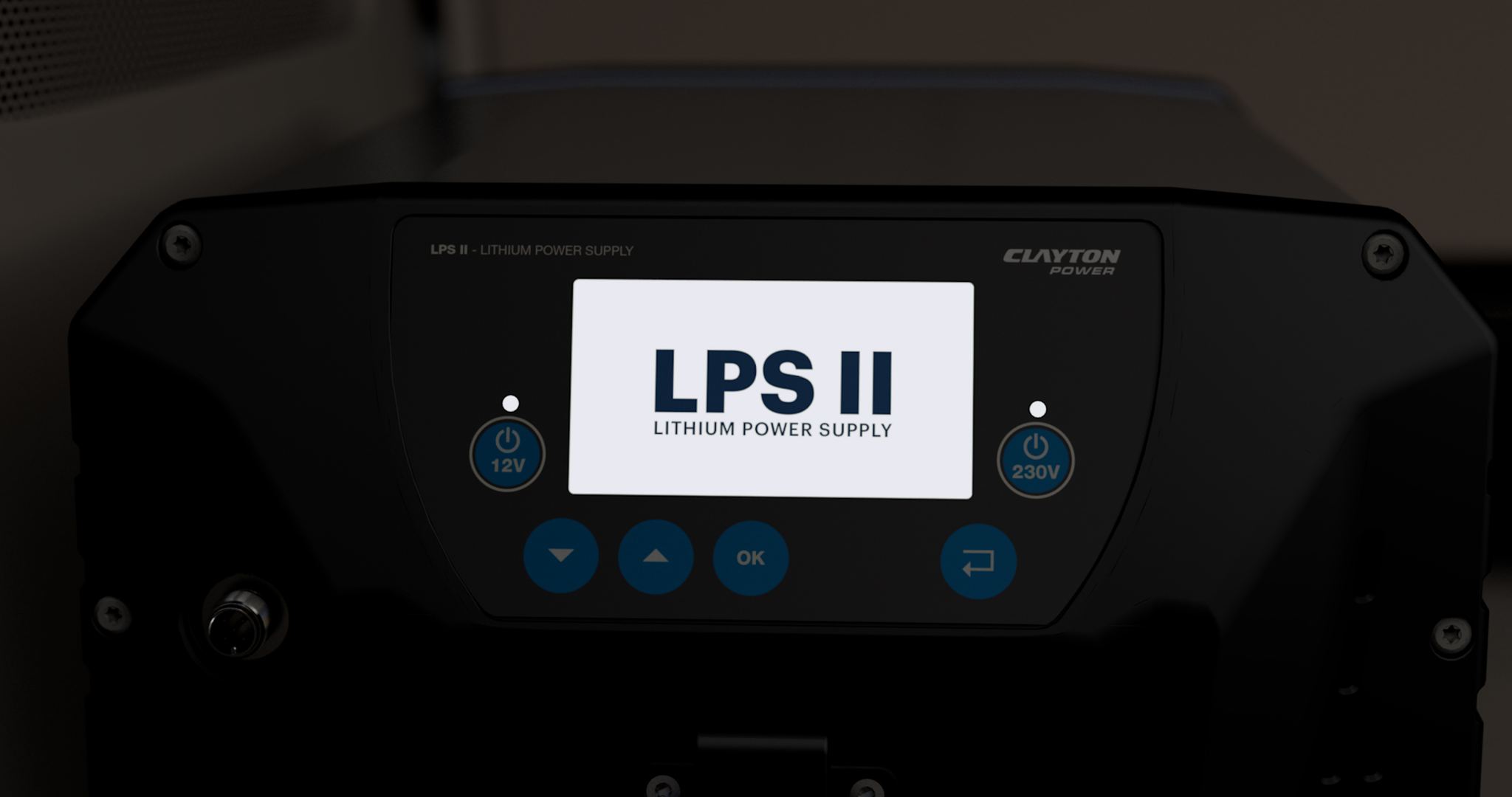
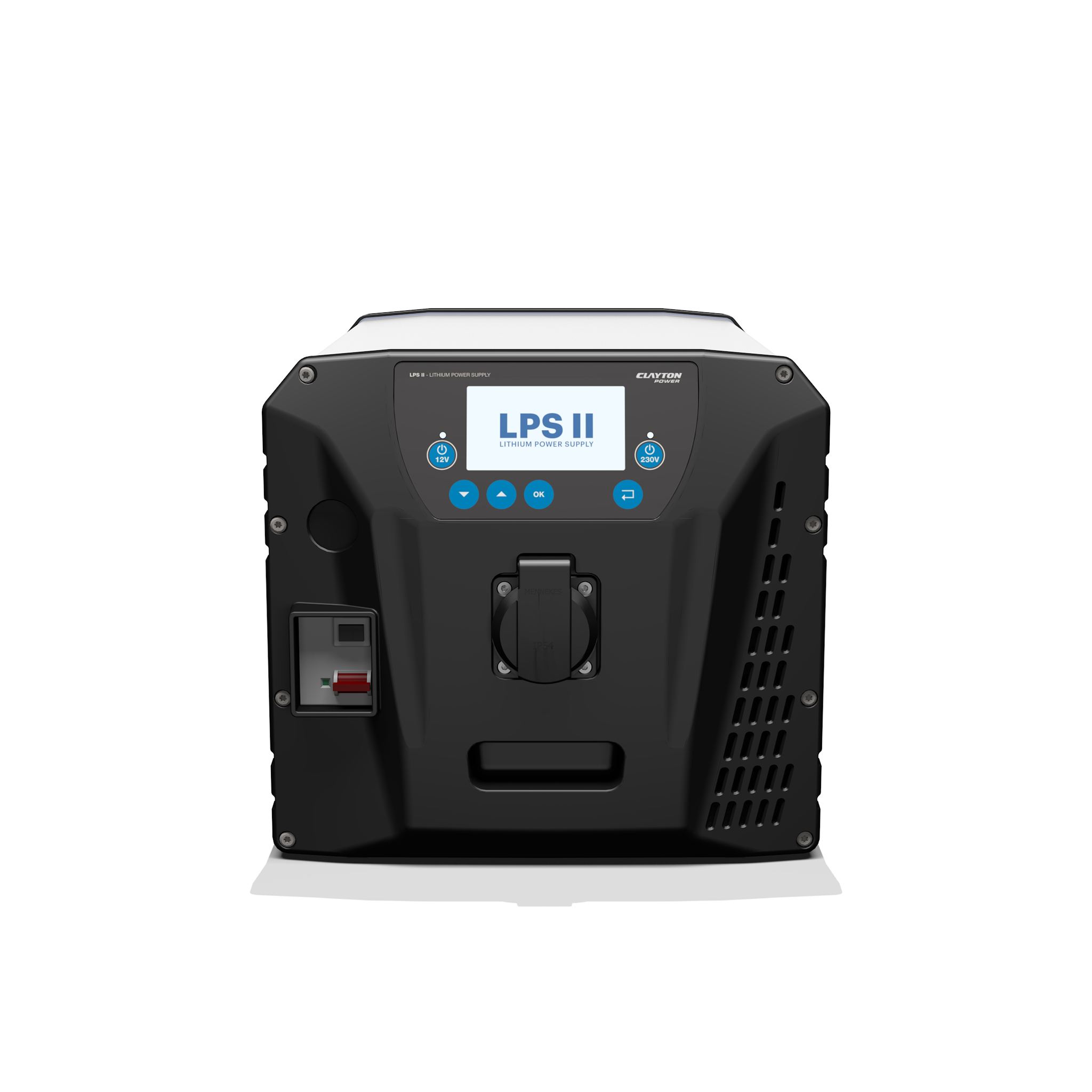
LPS II is built for the electric fleet.

Electric service vans need more than power for driving. LPS II is an independent power system designed to meet the demands of professional tools and equipment throughout the working day, with no need for daily attention.

Onboard power solution for EVs and Diesel Vans
Onboard power solution in EVs

EVs need more than driving power.

Your customers’ crews still need 230 V and 12 V on site. What’s changed is where that power comes from. In a diesel van, the engine generated power for the tools. It cost fuel.


In an electric van, the traction battery is there to drive the van, while the standard 12 V system has limited capacity for additional equipment. Professional tools, warning lights and other equipment need a dedicated power supply that can handle the demands of everyday work.

LPS II power supply in EV ID.Buzz

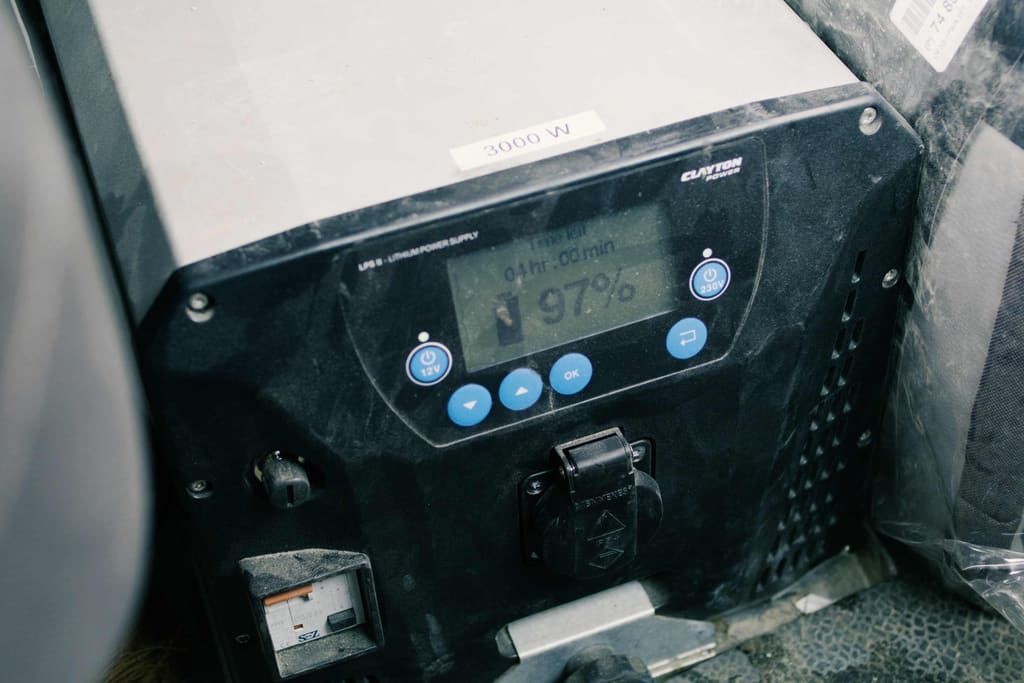
LPS II provides safe and reliable 230 V AC and 12 V DC power to operate professional tools, warning lights and other equipment both inside and outside the vehicle, without the need for complex installations or additional equipment.

Five reasons to bring the LPS II into every EV conversation.

LPS II 230V & 12V power supply with li-ion battery

It provides dedicated power for work

Electric vans have limited 12 V capacity for additional equipment (including warning and work lights) and are not always equipped to power professional tools. LPS II provides its own reliable 230 V AC and 12 V DC power supply, with high peak inrush power for demanding tools and the option to expand battery capacity with additional G4 lithium-ion batteries.


LPS II 230V & 12V power supply with li-ion battery

It follows the vehicle maker’s charging rules

Dedicated EV settings allow LPS II to recharge through the vehicle’s 12 V electrical system, in accordance with the manufacturer's specifications. The system monitors the vehicle's electrical status and controls charging without draining its 12 V battery.

LPS II 230V & 12V power supply with li-ion battery

It keeps the work power running

Monitor state of charge, energy consumption and system health through the Power Platform with the optional IoT modem. Fleet teams get a clear overview of performance across their deployed systems, helping them keep mobile operations running reliably.

LPS II 230V & 12V power supply with li-ion battery

It preserves range while heating

LPS II can power electric heaters using its own battery capacity, expandable with additional G4 batteries for longer heating periods. This keeps the van warm without relying on diesel heaters or drawing energy from the vehicle’s traction battery, helping preserve driving range.

LPS II 230V & 12V power supply with li-ion battery

It steps in when a battery runs flat

The built-in jumpstart gets a flat 12 V battery going again, and the LPS II can keep that battery from going flat while the van stands still. In an emergency, it can also give the traction battery the extra few kilometres needed to reach a charge point.

Five reasons to bring the LPS II into every EV conversation.

It provides dedicated power for work

Electric vans have limited 12 V capacity for additional equipment (including warning and work lights) and are not always equipped to power professional tools. LPS II provides its own reliable 230 V AC and 12 V DC power supply, with high peak inrush power for demanding tools and the option to expand battery capacity with additional G4 lithium-ion batteries.
It follows the vehicle maker’s charging rules

Dedicated EV settings allow LPS II to recharge through the vehicle’s 12 V electrical system, in accordance with the manufacturer's specifications. The system monitors the vehicle's electrical status and controls charging without draining its 12 V battery.

It keeps the work power running

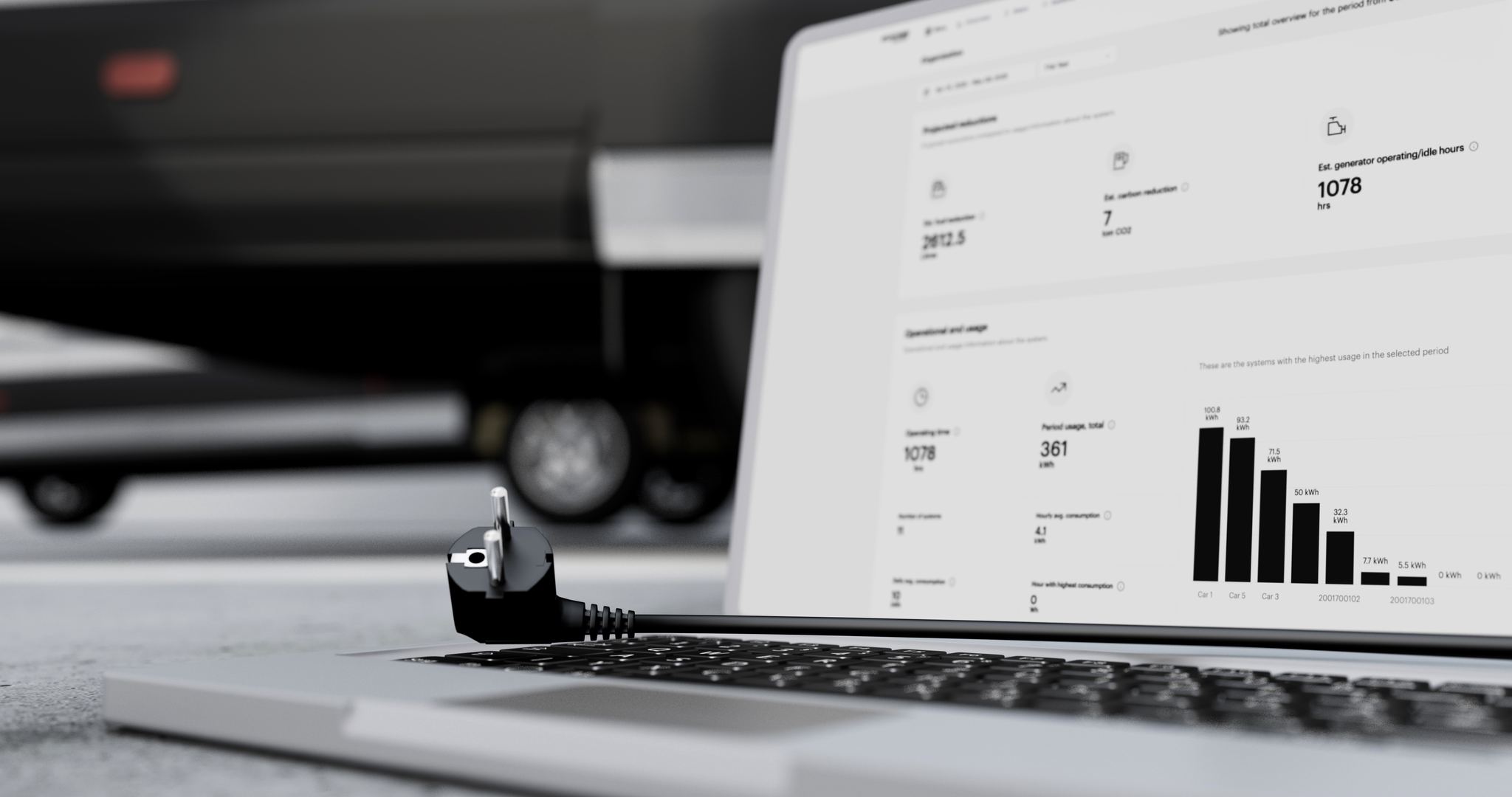
Monitor state of charge, energy consumption and system health through the Power Platform with the optional IoT modem. Fleet teams get a clear overview of performance across their deployed systems, helping them keep mobile operations running reliably.

It preserves range while heating

LPS II can power electric heaters using its own battery capacity, expandable with additional G4 batteries for longer heating periods. This keeps the van warm without relying on diesel heaters or drawing energy from the vehicle’s traction battery, helping preserve driving range.

It steps in when a battery runs flat

The built-in jumpstart gets a flat 12 V battery going again, and the LPS II can keep that battery from going flat while the van stands still. In an emergency, it can also give the traction battery the extra few kilometres needed to reach a charge point.

A flexible and compact power solution.

See how to improve fleet performance.

FAQs

  • Not while the crew is working. On site, tools and equipment run from the LPS II’s own battery, preserving the van’s driving range. The LPS II recharges from the traction battery via the vehicle’s 12 V electrical system when the vehicle is switched on. Depending on the vehicle and installation, it can also recharge while the van itself is plugged in and charging, ensuring both are ready for the next working day.

  • Yes, as an option. The standard method is the vehicle’s 12 V system, as the vehicle makers specify. Clayton Power can also offer recharging through the van’s charge port with a Type 2 connector.

  • The LPS II is already installed in a range of electric vans from the major manufacturers. Vehicle models are updated often, and specifications can vary with the equipment level, so we assess each vehicle individually. Get in touch with the model you’re working on, and we’ll help you check it.

  • The body-builder manual for the specific vehicle model sets the rules. Almost all electric vans allow the LPS II to charge while driving, and some also allow it to charge while the van itself is charging.

  • Yes. In an emergency, the LPS II can give the traction battery the extra few kilometres needed to reach a charge point. It can also jumpstart a flat 12 V battery and keep that battery from going flat while the van stands still.

  • Yes. The LPS II can discharge at temperatures down to −20 °C, and no heat packs are needed. The battery management system monitors temperature and cell balance continuously.

  • The LPS II uses automotive-grade LiFePO cells, designed for thermal stability and consistent performance in mobile environments. It has several layers of protection, including a mechanical fire enclosure, fuses, relays, thermal sensors and software limits, and it’s built and tested to handle road vibration and daily professional use.

  • Clayton Power designs, tests and manufactures the LPS II in Europe, with in-house testing and prototyping facilities. Every LPS II comes with direct access to our in-house technical support team.

  • Yes. Equipment like compressors, core drills and chop saws needs a big burst of power to start. The LPS II 3000 delivers up to 13,000 W peak inrush power, so heavy-duty tools like these start without hesitation.

A better power setup for the working day.

Give your team reliable power from the vehicle — without adding generator routines, idling or unnecessary charging stops.


Fleet power systems

For fleet operators

Learn more

Vehicle power integration

For converters and sellers

Learn more