















































01
Hero
heroLive examplefrom Case Study Caroussel - Large · Reusable section
Used on 1 page
- Case Study Caroussel - Large · Reusable sectionEdit
Internal
Every block in the page builder, rendered exactly as it looks on the site — with real content wherever a published page uses it. Updates itself: new blocks and new usage appear automatically.
67 blocks · 11 categories · 37 in use














herotextMaskHeroaccordioncolorPanelSplithtmlBlockeditorialQuotescriptEmbedfeatureMediaTextmediaBlockscrollMarqueesectionStatementscrollTextRevealcaseListingcertificatesListfileListnewsListpostListingproductSpinanimationBlockenergyFlowexplodedViewimageComparemediaCarouselmediaTogglemediaHotspotspinnedScrollStoryscreenshotBrowserscrollRevealGalleryscrollSequencescrollVideoteaserCarouseltimelineMilestonesvideoPlayerbentoGridcaseStoryCardfeatureGridhorizontalScrollindustriesListlogoBarmediaTileSplitspecsBarteaserGridcomparisonTablefeatureTabsfilterableCaseCarouselimpactCounterinsightTickerperformanceBarsvisualProofctactaBannerpromoRibbonconfiguratorformBlocknewsletterSectionruntimeCalculatorcolumnsBlockarchivemodalBlockplatformOverviewreusableSectionsellerLocatorstickyNavbarLithium energy that runs everything a diesel engine used to — quietly.
Each case should include the challenge, the solution, platform-in-action screenshots, quantified results and a stakeholder quote.

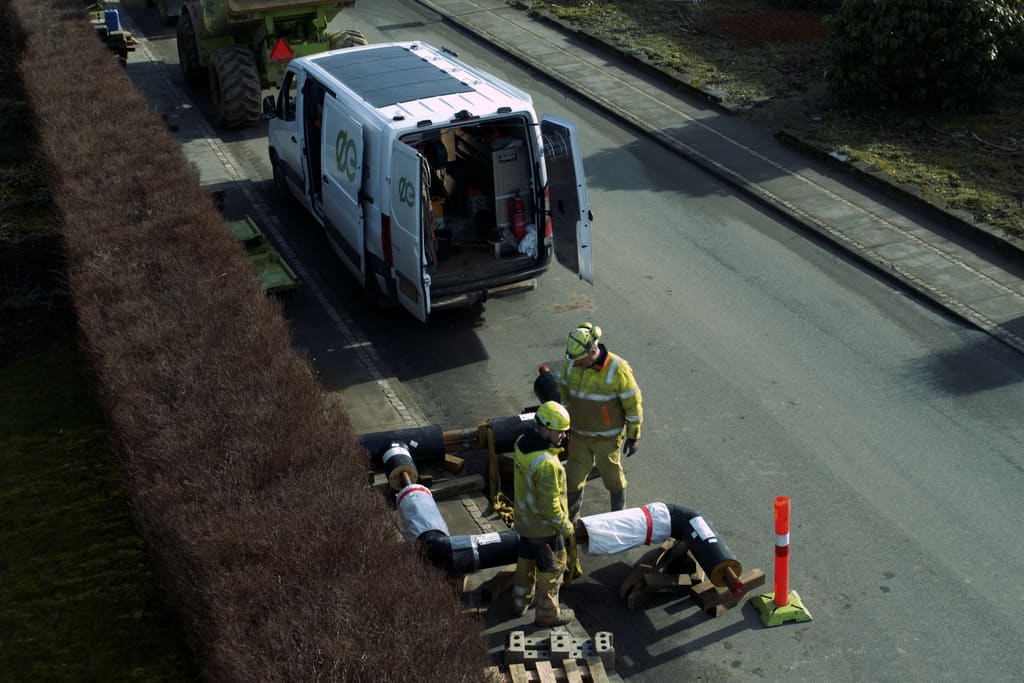
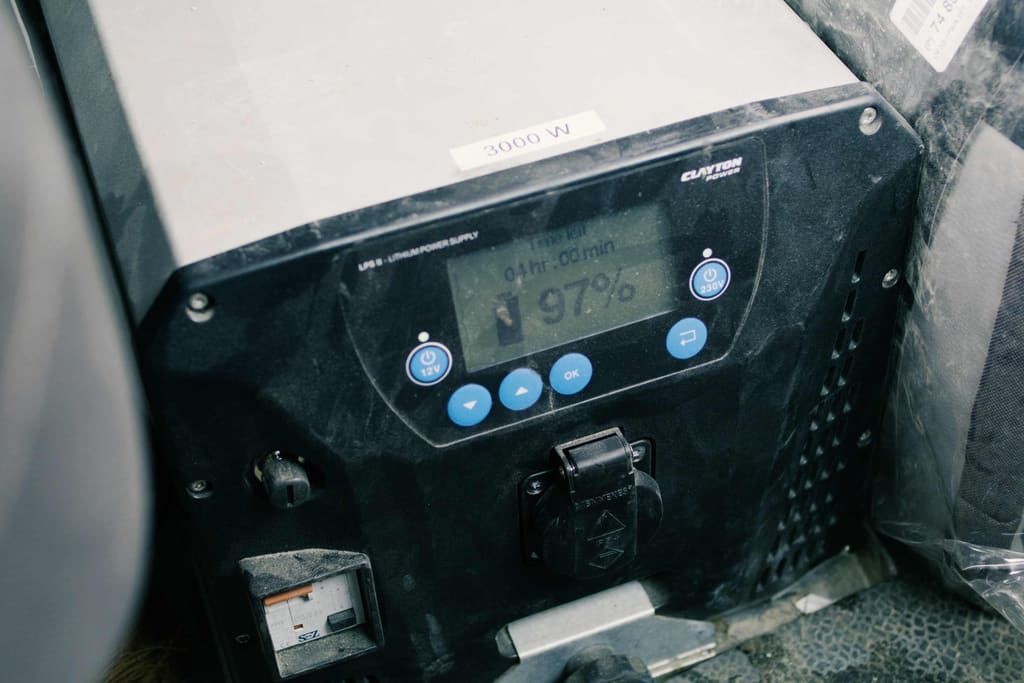
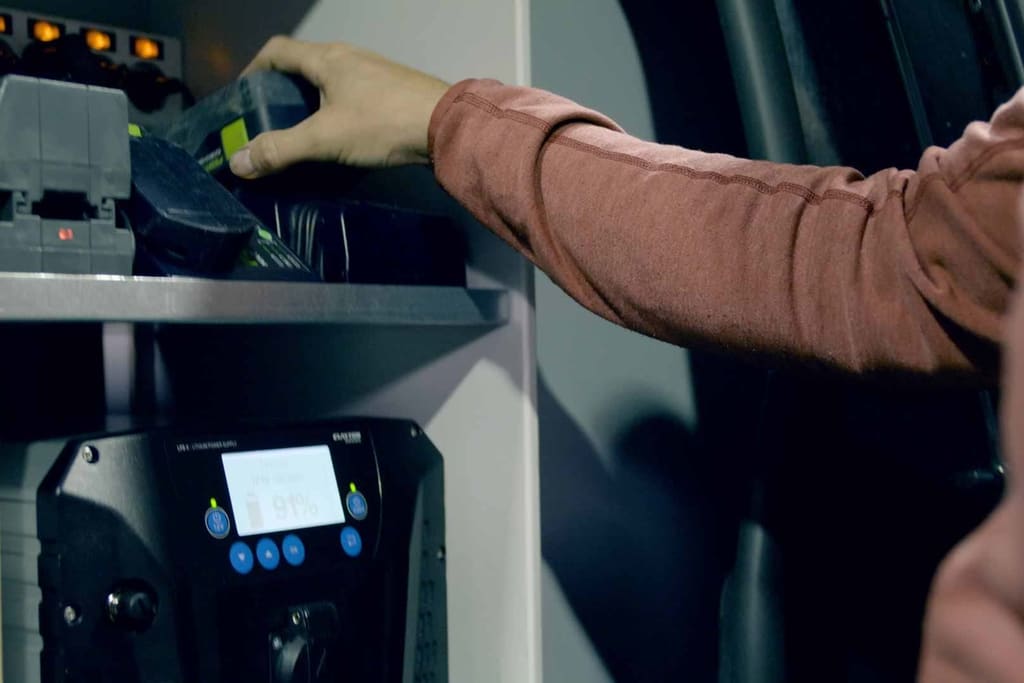
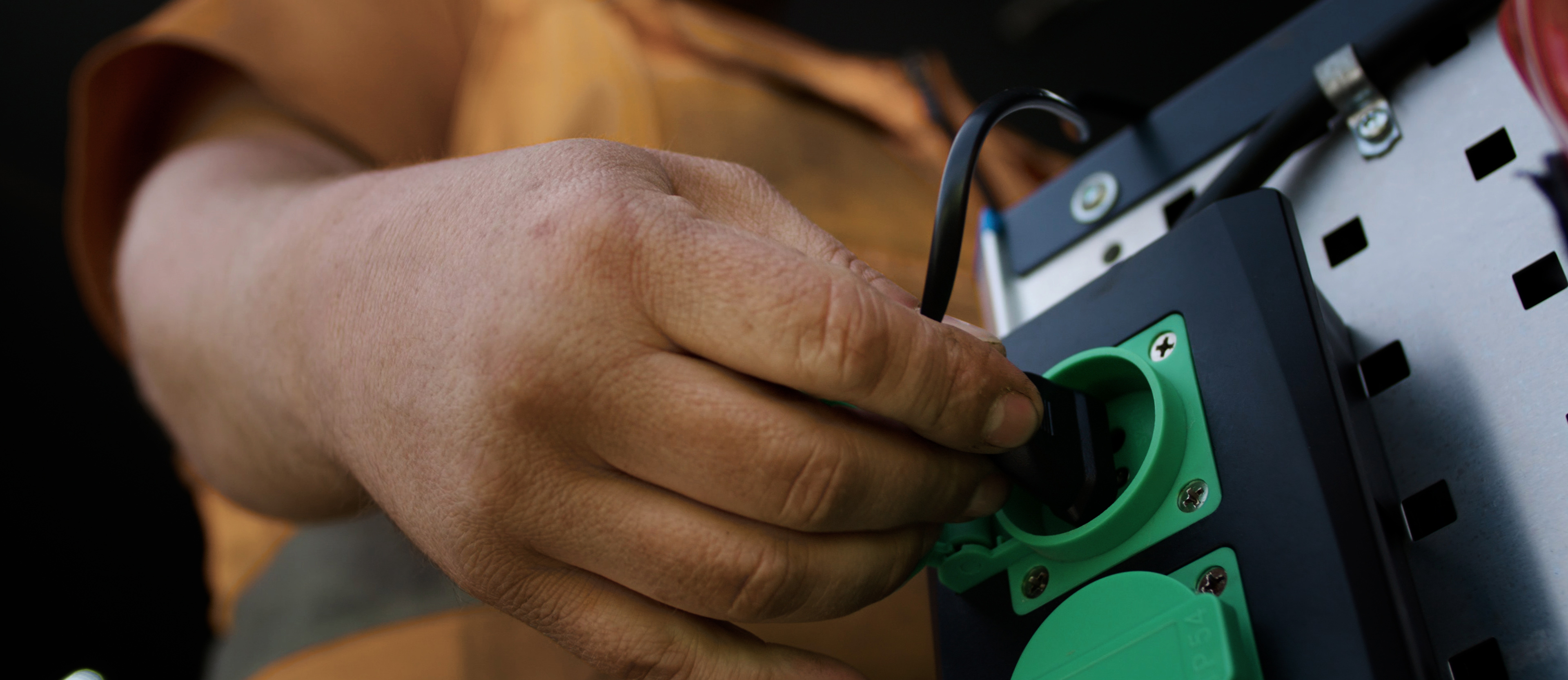
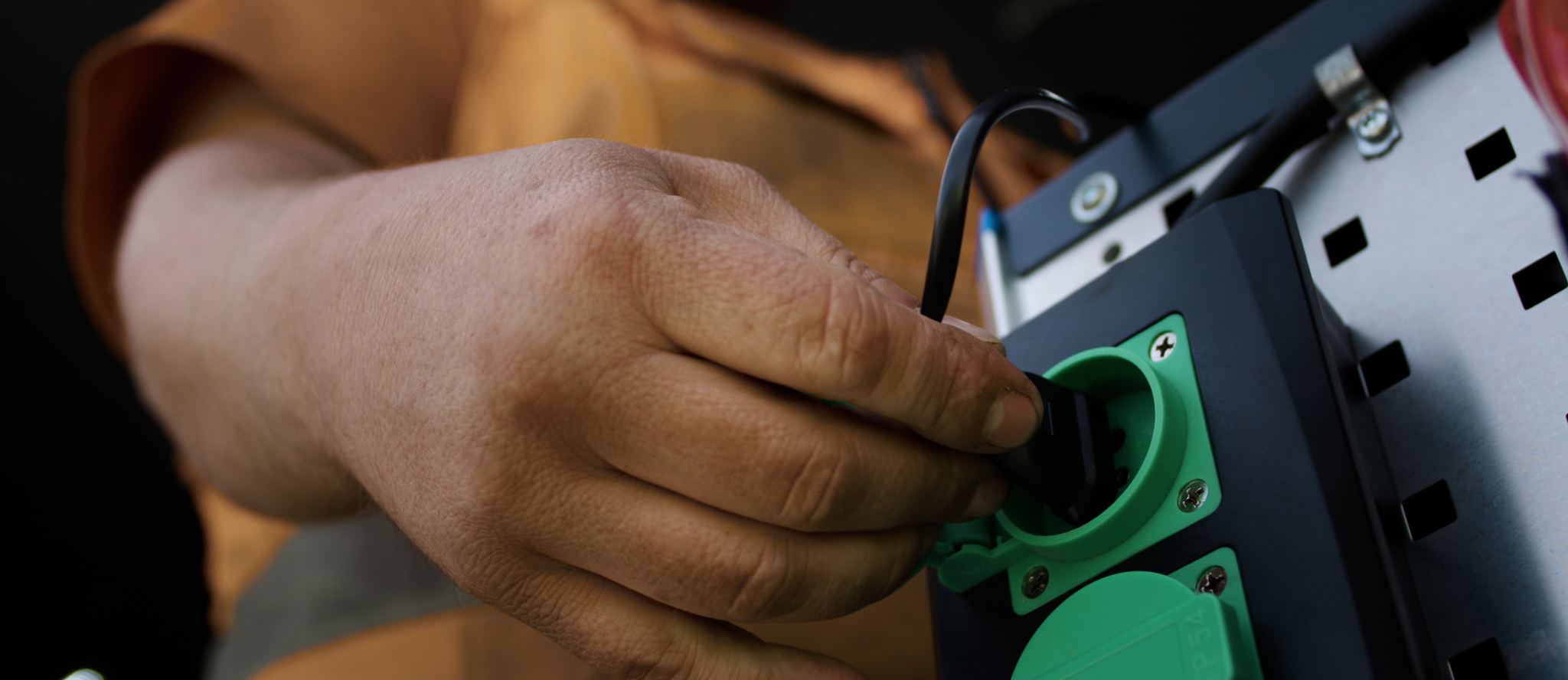
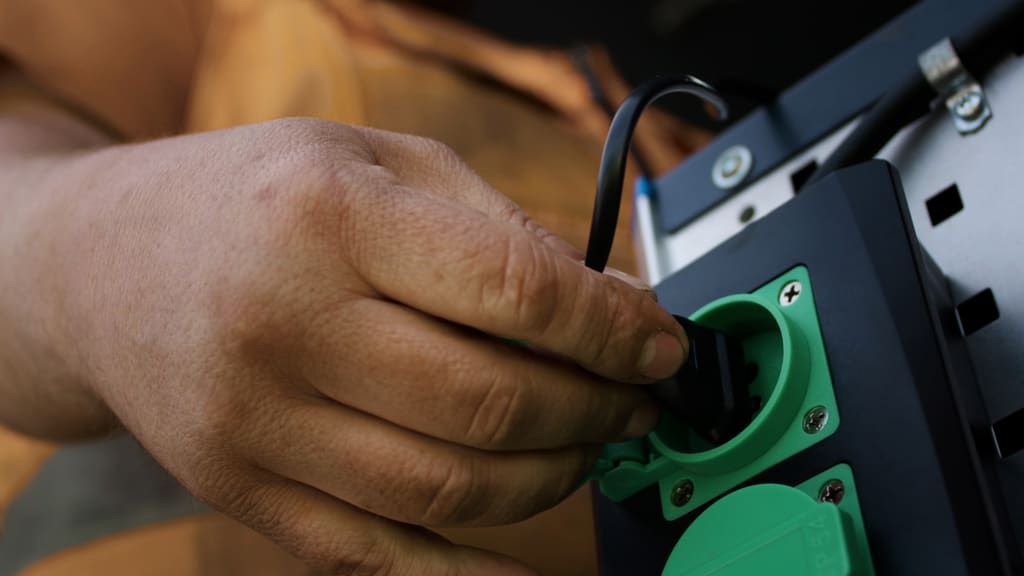
Hydraulic services often demand a variety of specialised equipment for repairs and maintenance, many of which require 230 V power. On-site, Christian Malais uses several essential tools, including a peeling machine, cutting machine, and hydraulic hose pressing machine. The LPS and the solar panels charge these devices automatically, ensuring continuous operation. Safety remains a top priority. The LPS also powers the 12 V warning light, keeping the worksite visible and secure.
Content
From first coffee to last job
Energy that moves with you
Author Role

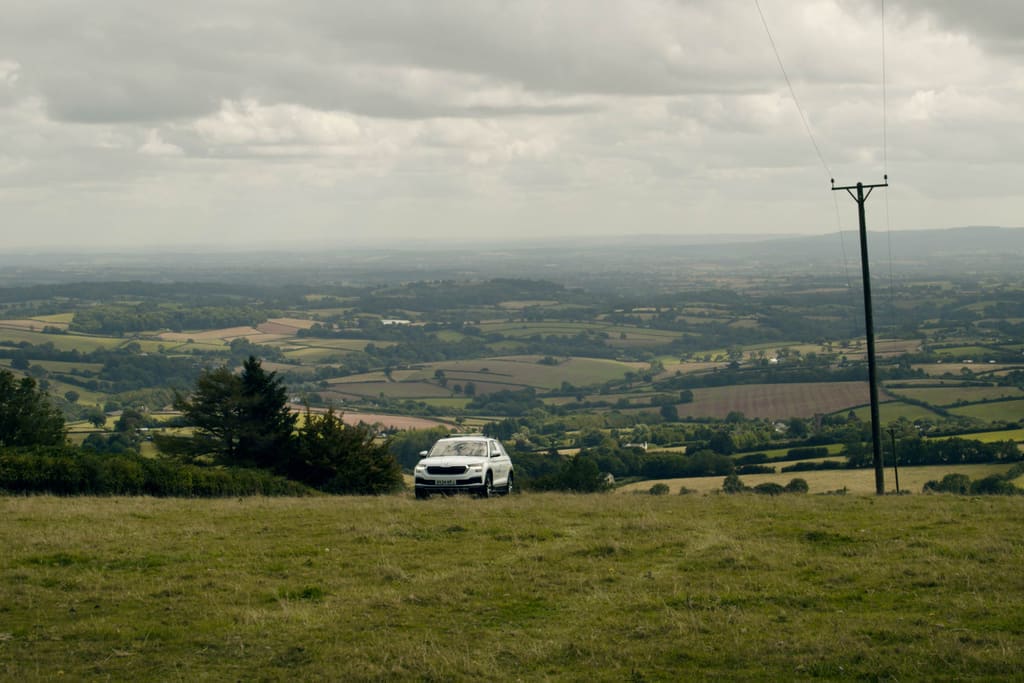
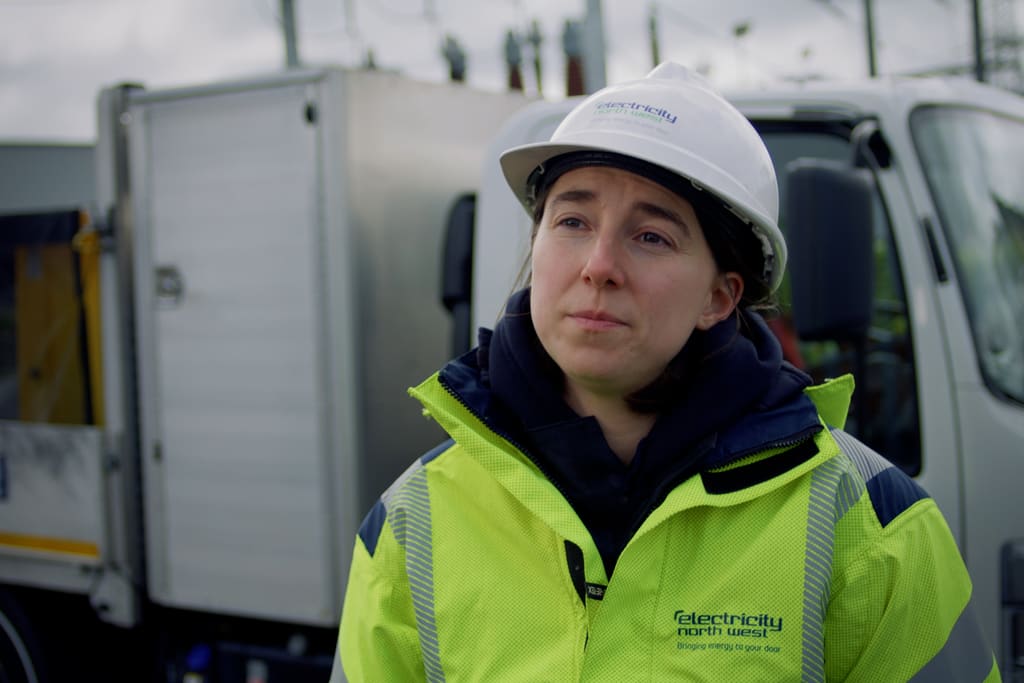
Out on the network, the difference is felt every day. As Network Engineer Dean Parry explains:
“Previously, splicing in the middle of the winter could get quite hard – being freezing cold and trying to keep myself warm. But now I have access to this system. I can keep myself warm and comfortable in a working environment without having the van idling.”

Clayton Power
Lithium power systems that keep vehicles, tools and teams running — quietly, with zero idling.
Lower emissions. Less idling. Lower carbon. Lower total cost. Optimise energy and operations. Document real impact. Make data-driven decisions.
Case stories
Real-world cases from mobile teams, vehicle builders and electrified work fleets.
9 cases
Quieter power and lighter vehicles with Clayton Power.
Power for Mobile Work
Read case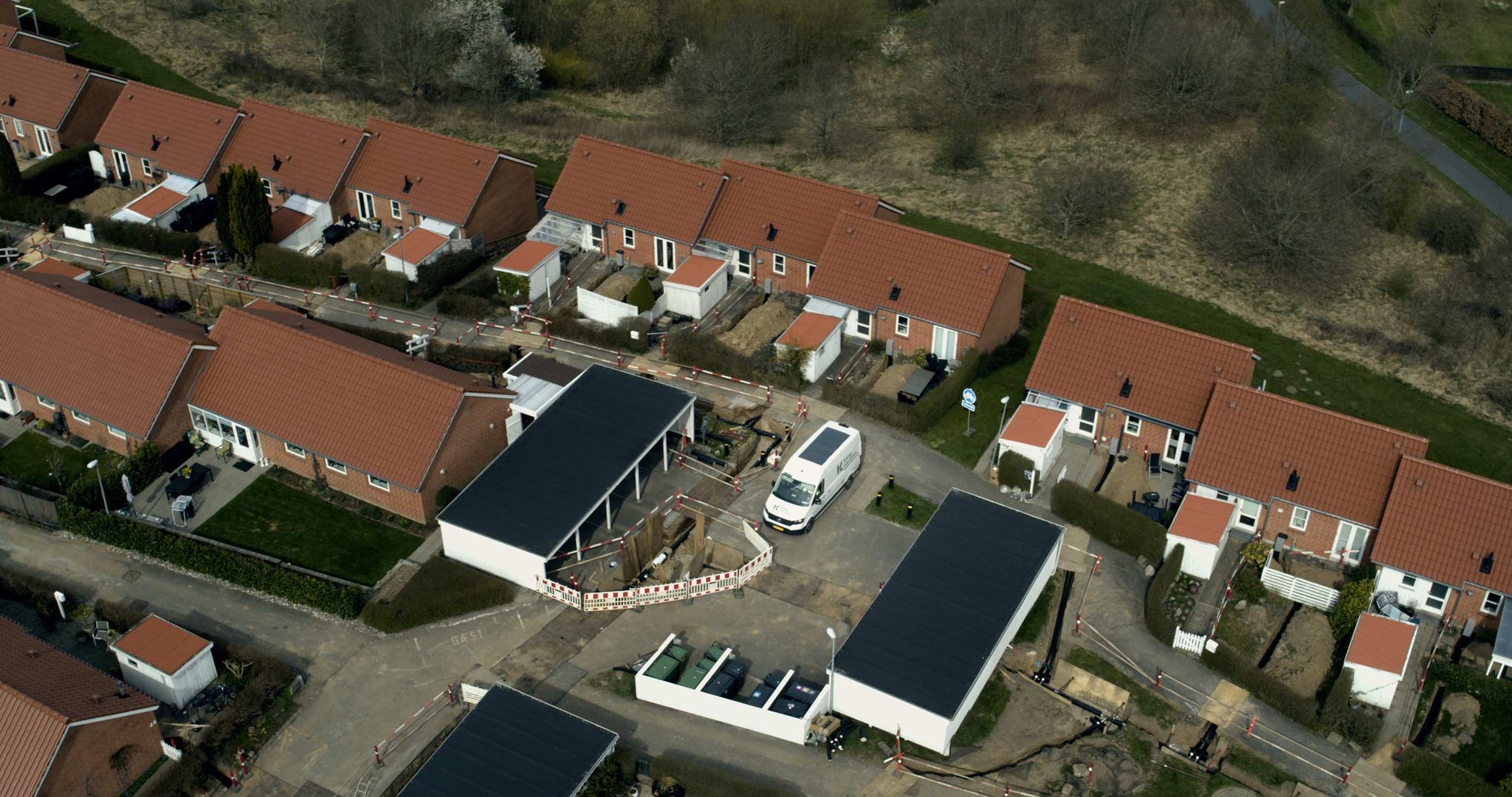
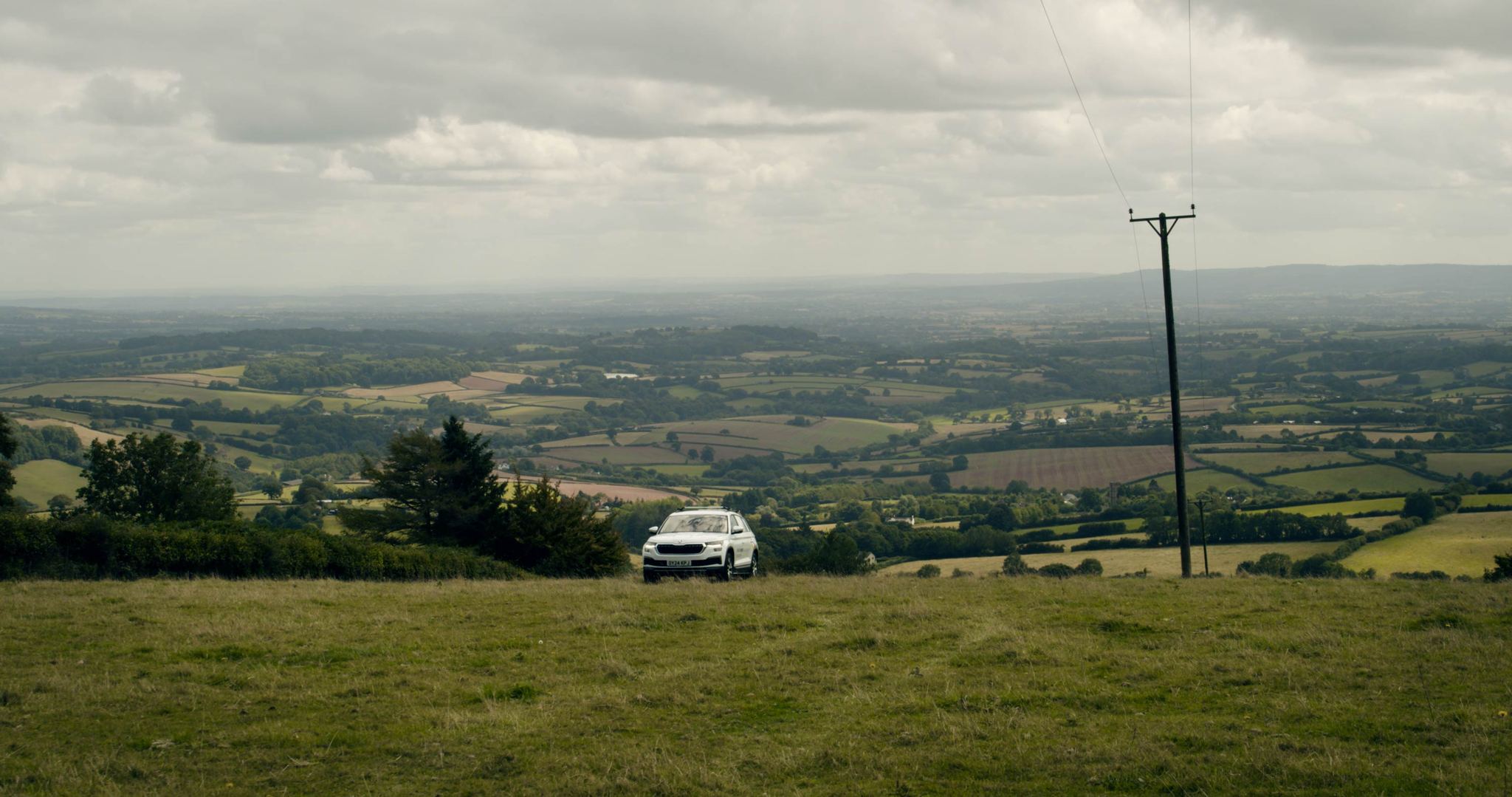
The LPS from Clayton Power is a key step in National Grid’s move towards fully electric vehicles. This technology helps eliminate the need for diesel engines, aligning with regulatory goals to cut emissions and create a greener fleet that remains fully operational.
Power for Mobile Work
Read case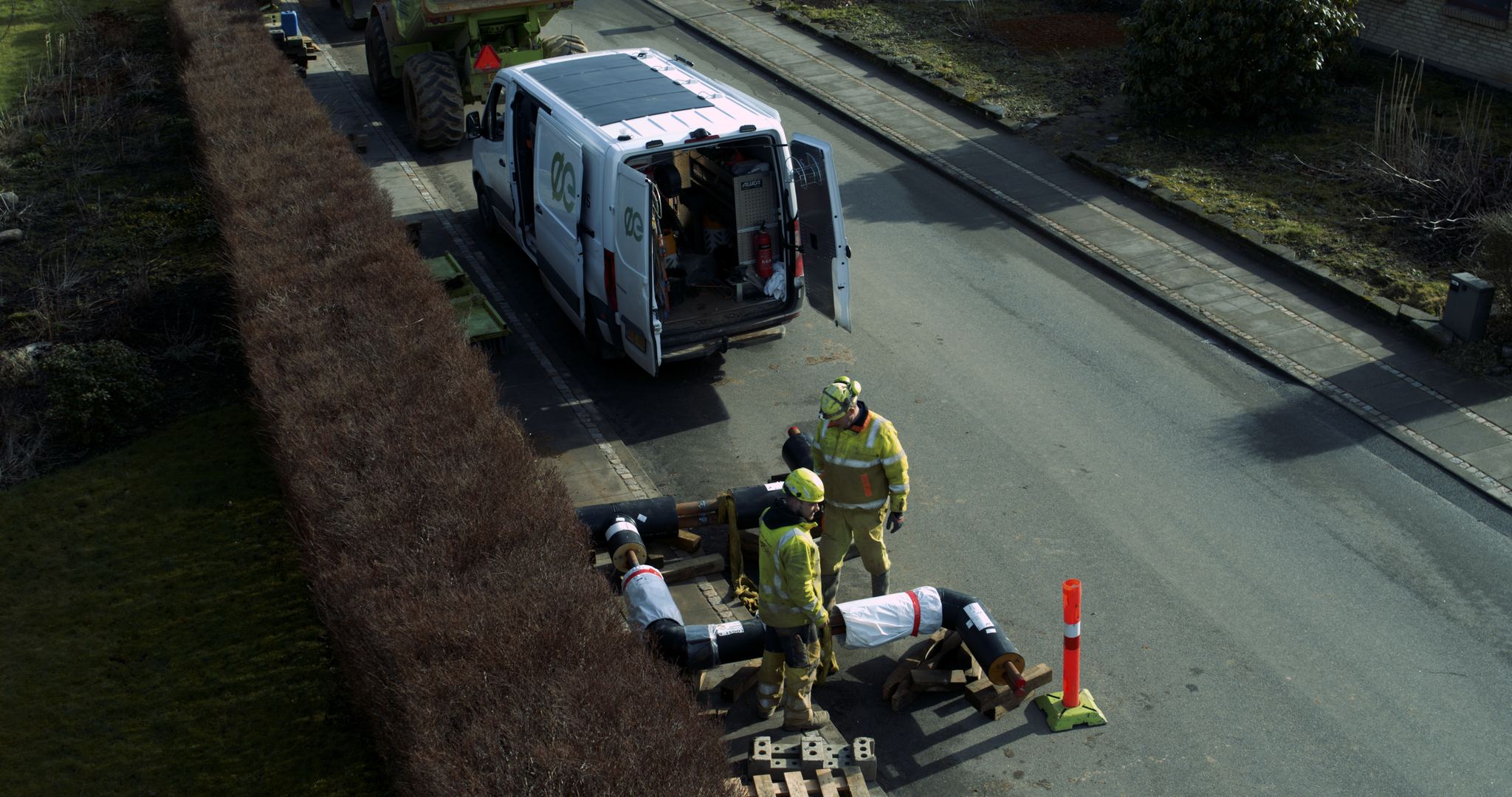
They have a more efficient working day, happier employees and a stronger position in a market where a fossil-free power solution makes a difference.
Power for Mobile Work
Read case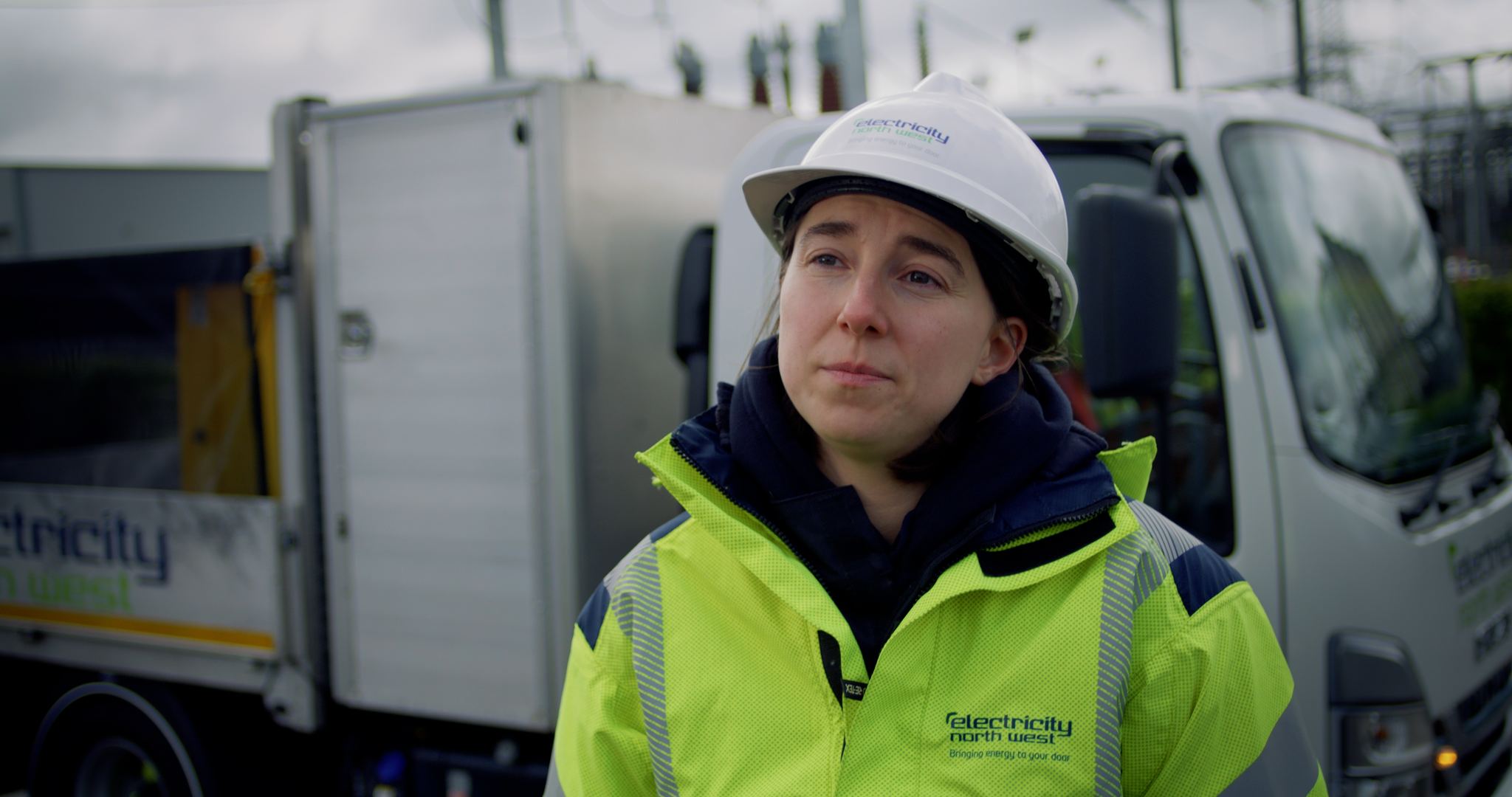
Net-zero: The transition to electrification was a no-brainer
Power for Mobile Work
Read case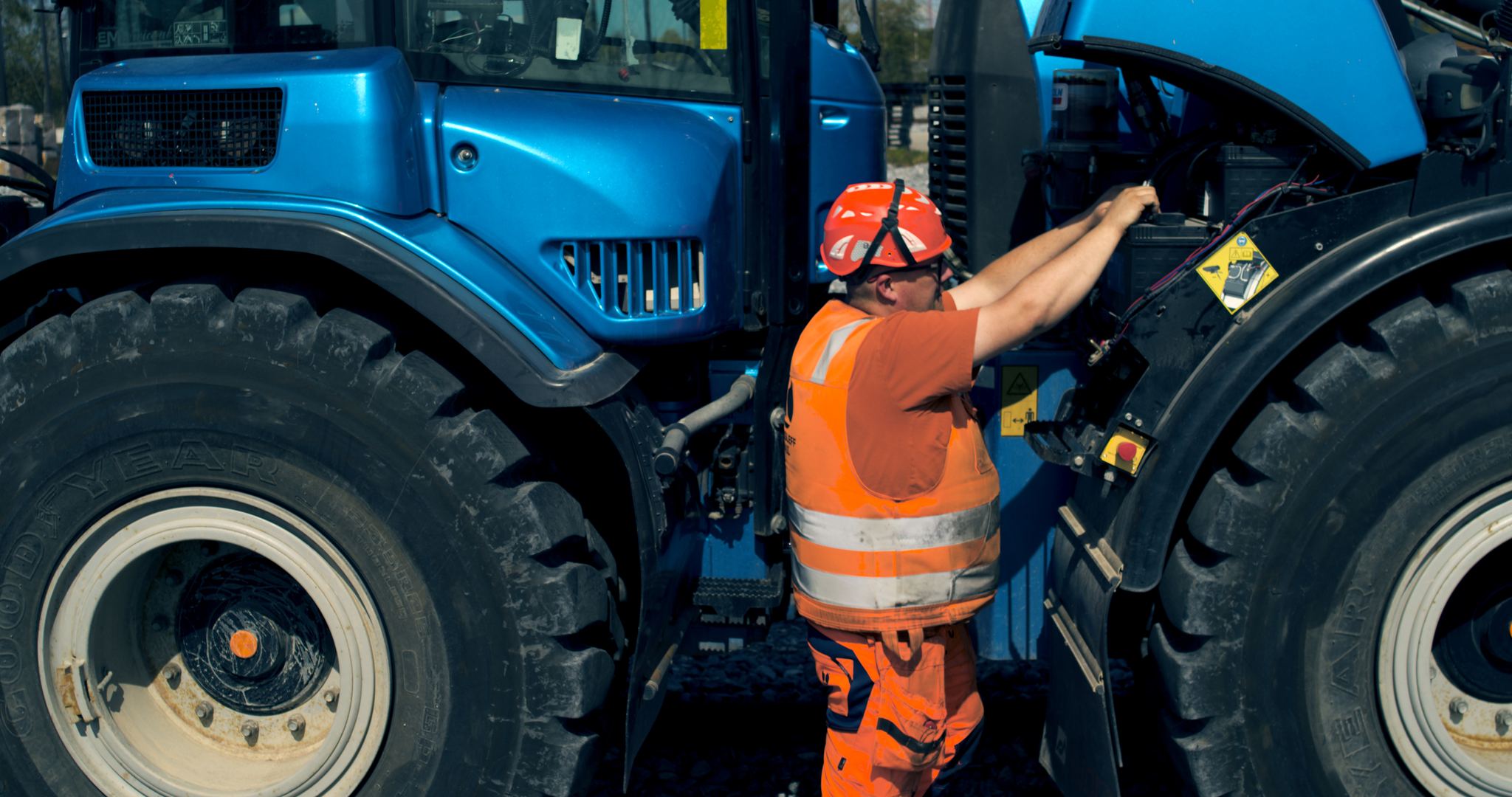
Compact power supply with zero idling in Aarsleff Rail's vehicles
Power for Mobile Work
Read case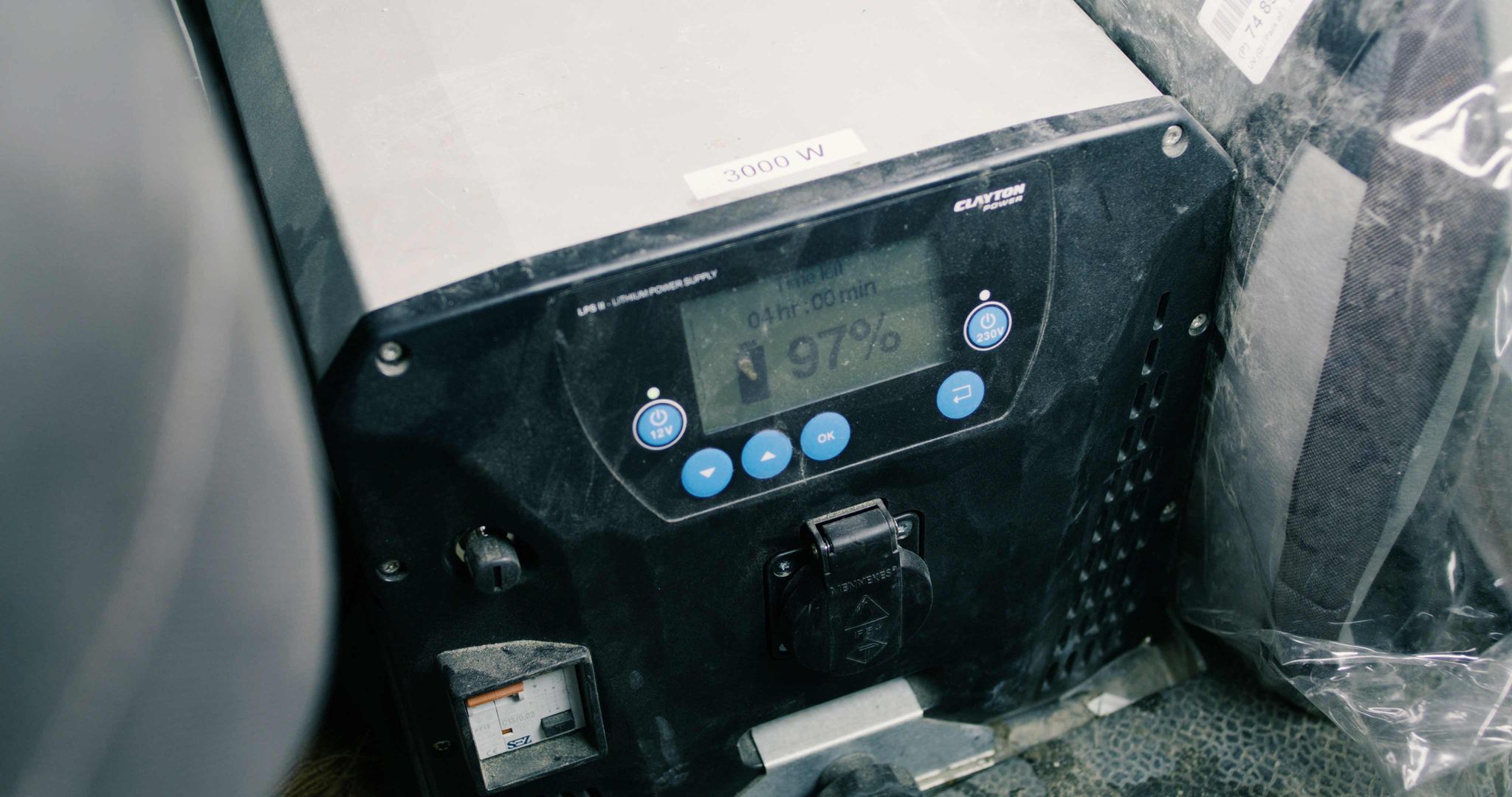
Bernard Degroote looks for an alternative to the generator. The powerful LPS has sufficient output and capacity to meet Bernard Degroote's requirements. They replaced the generator with the 3
Power for Mobile Work
Read case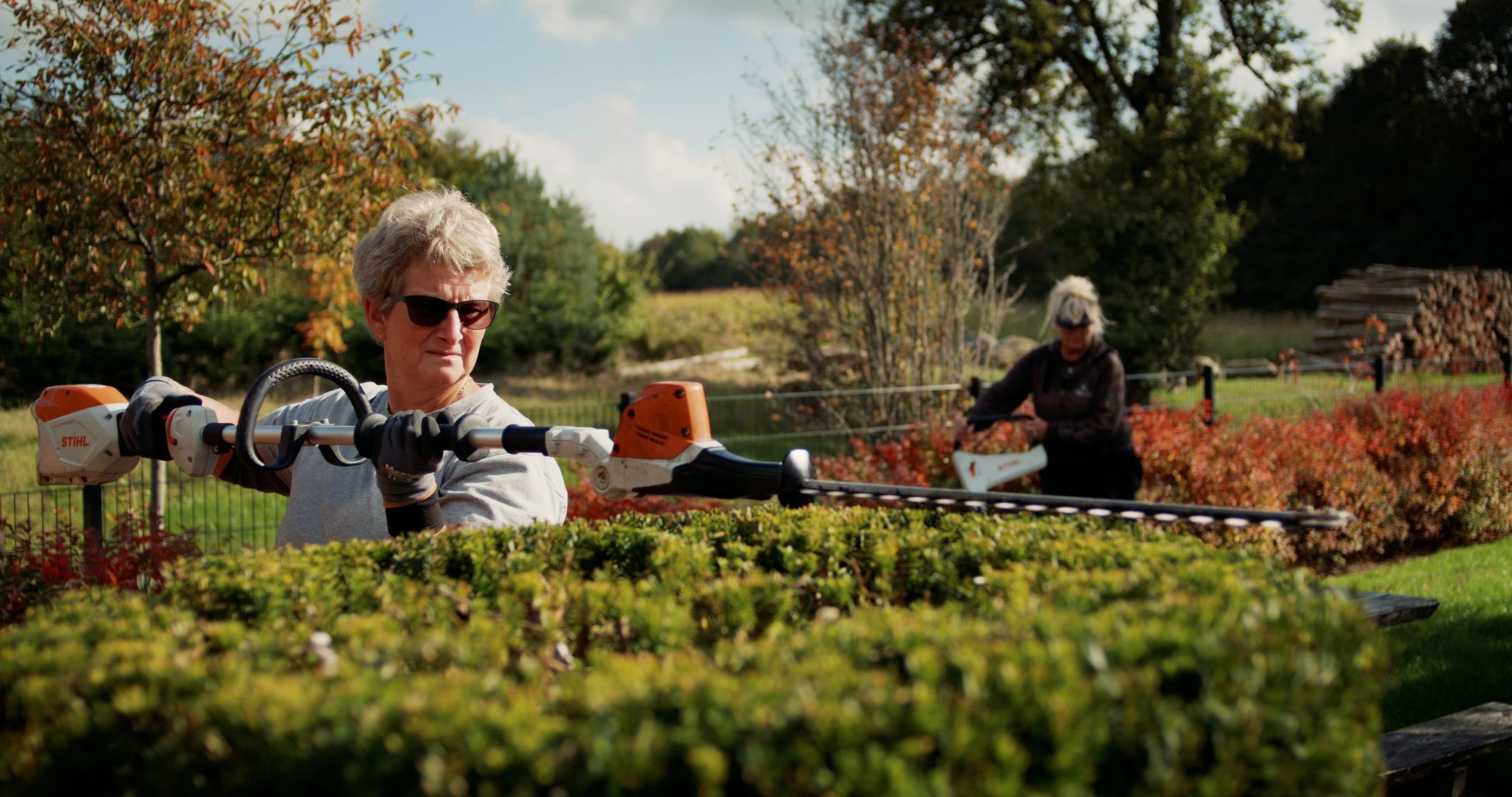
“If two people are trimming hedges all day, we probably use 8 batteries,” says Bente, a landscape gardener who works for 4Hoeje in Denmark.
Power for Mobile Work
Read case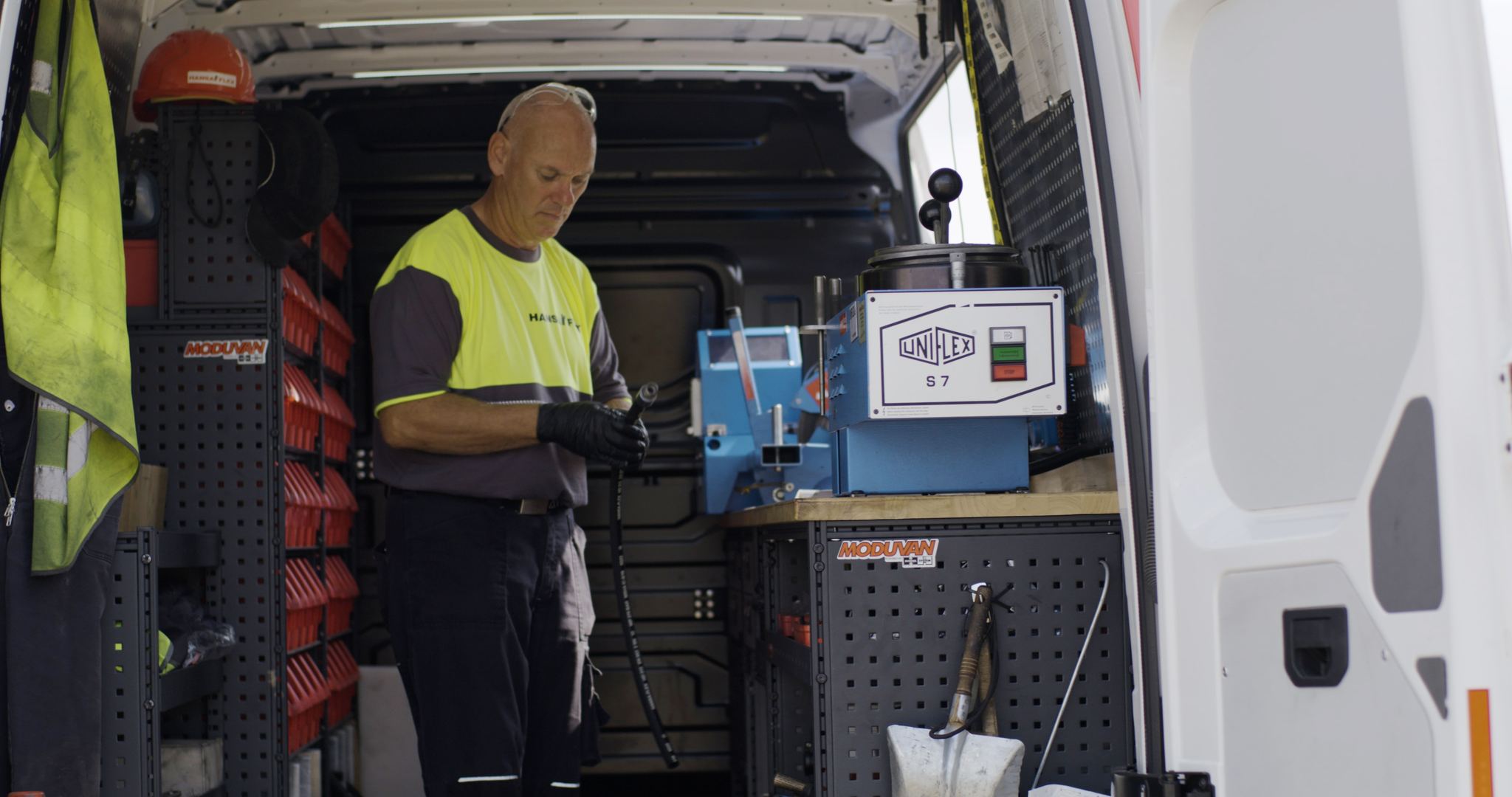
Hydraulic services often demand a variety of specialised equipment for repairs and maintenance, many of which require 230V power.
Read case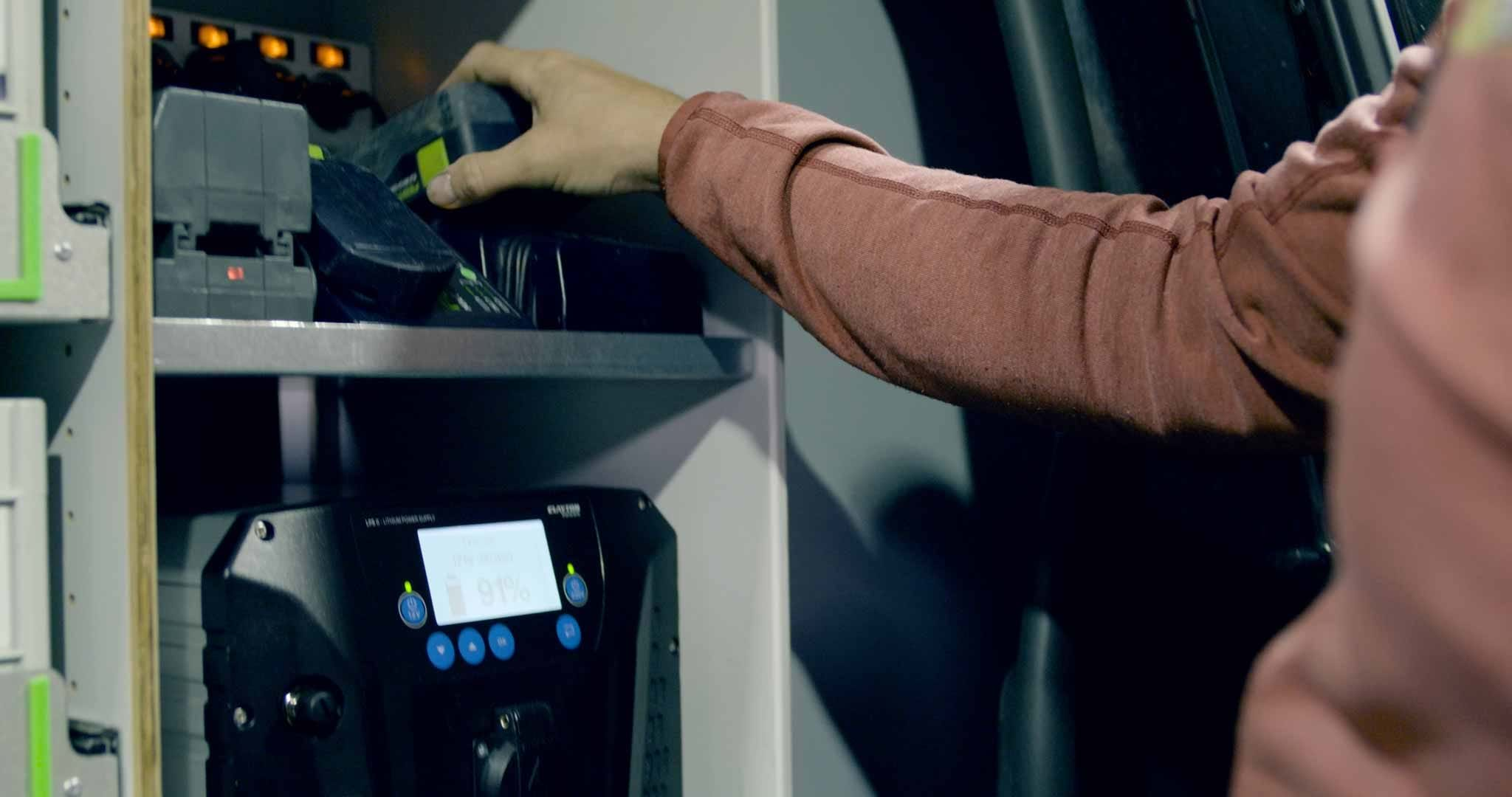
“The LPS means I always have power on the job. My batteries are always fully charged,” says carpenter Ulrich Lundgaard.
Read caseClayton Power
This shows that the LPS II complies with EU regulations as required for CE marking.
This shows compliance with the requirements for UKCA marking. It is almost the same as the CE declaration, but in addition to complying with the EN/IEC standards listed in the CE declaration, it also lists conformity with the following UK Statutory Instruments: 2016 No 1101 2016 No 1091 2012 No 3032
This is a test report showing compliance with EN IEC 62368-1:2024+A11:2024 and is the basis for CE compliance.
The “E” marking certificate showing compliance with UN Regulation No. 10. This certification is required for equipment installed in vehicles.
This is the UN 38.3 test report for the LPS II units using the 160Ah batteries. It is required for transporting dangerous goods so that we can send the LPS II to customers.
Same as LPS II - UN 38.3 160Ah but for the units using the 100Ah batteries.
This standardised document contains crucial occupational safety and health information about the various substances and chemicals used in the LPS II. This document is for the small units.
This is a standardised document setting out crucial occupational safety and health information about the substances and chemicals in the LPS II. This document is for the LPS II 3000W.
NEN1010 is a standard that sets out requirements and guidelines for safe, compliant low-voltage electrical installations. In certain cases, installations may be assessed and approved by local inspection bodies to ensure conformity with the standard.
Stay updated
Stay updated with company news, product insights, and articles on mobile power, fleet energy, and smarter operations.
Sign up below to receive the latest updates from Clayton Power.
Stay updated
Company news, product insights, and articles on mobile power, fleet energy, and smarter operations.
7 articles
Safe and reliable 230 V AC and 12 V DC power to operate professional tools, warning lights and other equipment both inside and outside the van.
Read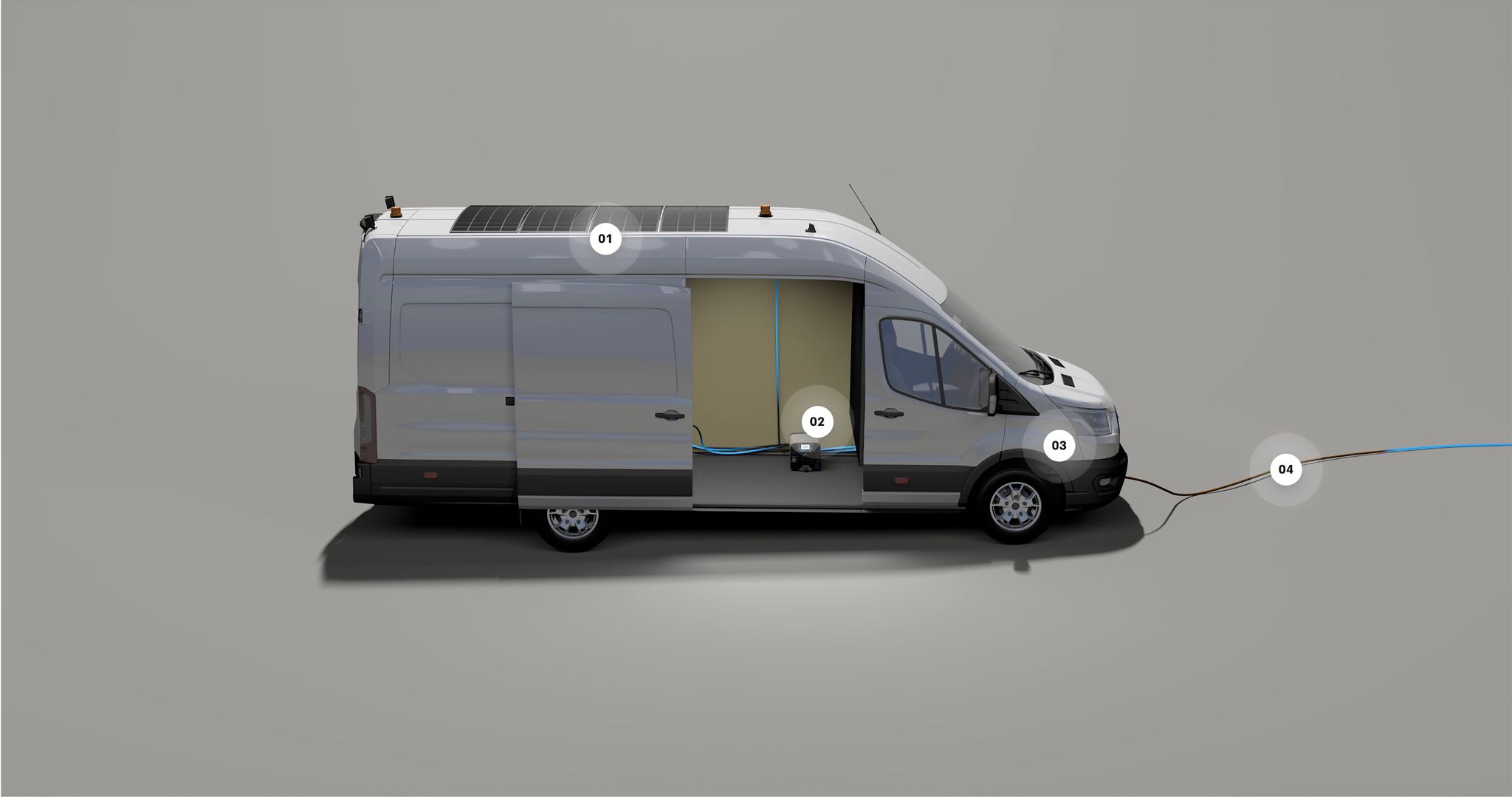
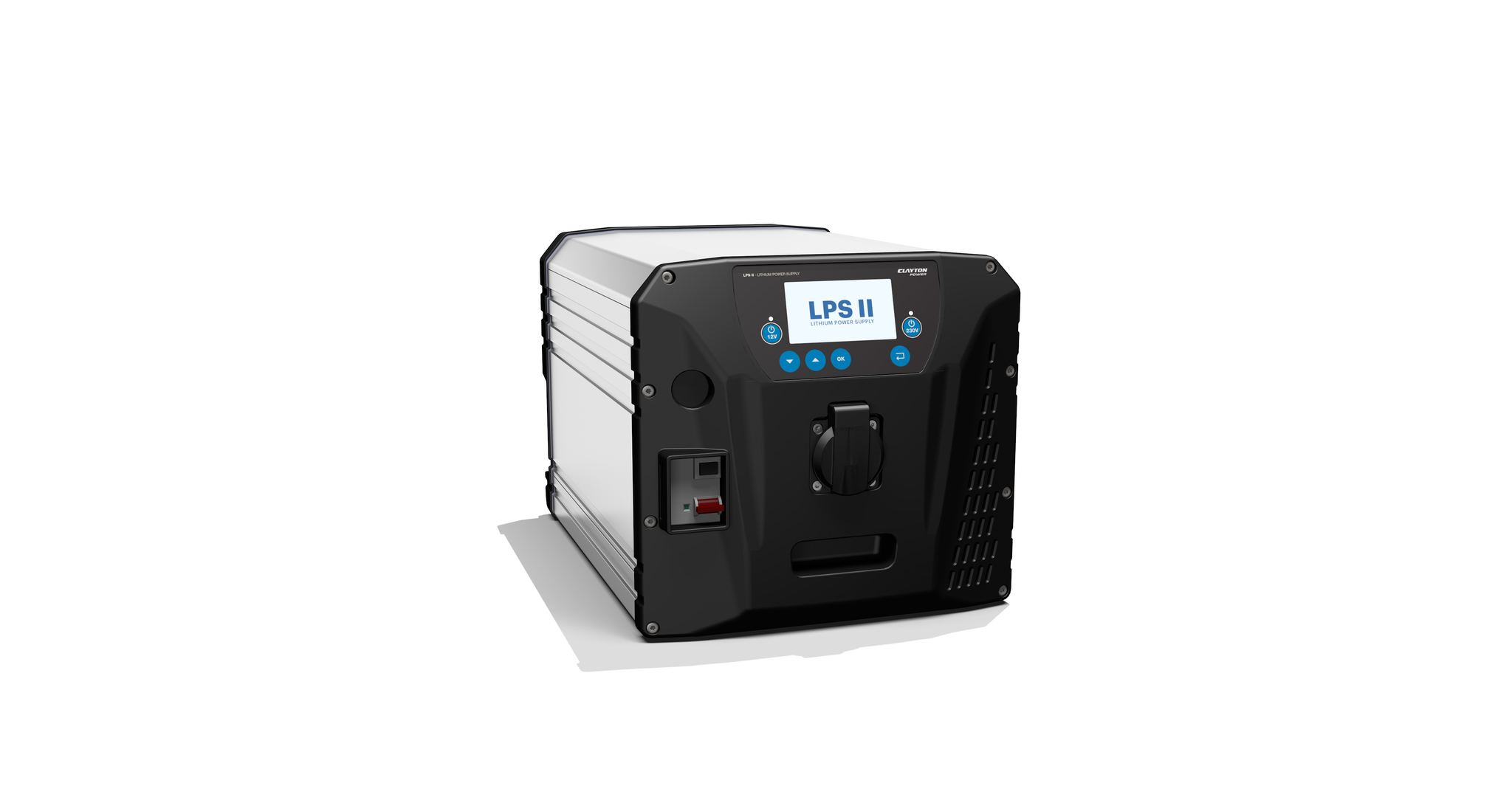
Meet LPS II 1100. A complete mobile power system designed for more than a single 230 V application.
Read
Up to 250x higher particulate emissions than permitted limits.
Read

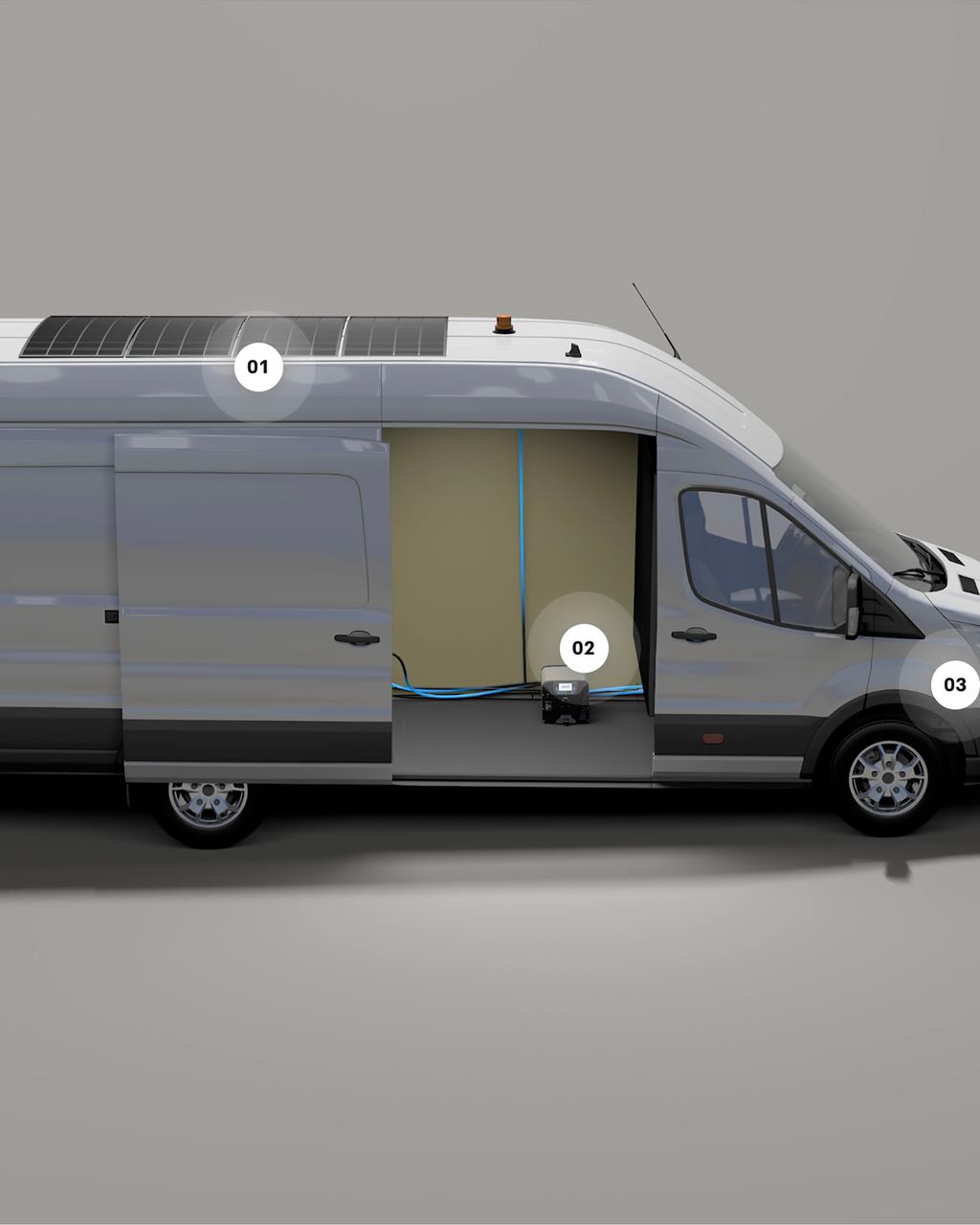
The LPS is recharged directly from the ID.Buzz, and flexible solar panels can supply energy to the LPS battery system even on a cloudy day.
Read
The LPS is designed for use in vehicles and delivers both 12 V and 230 V.
Read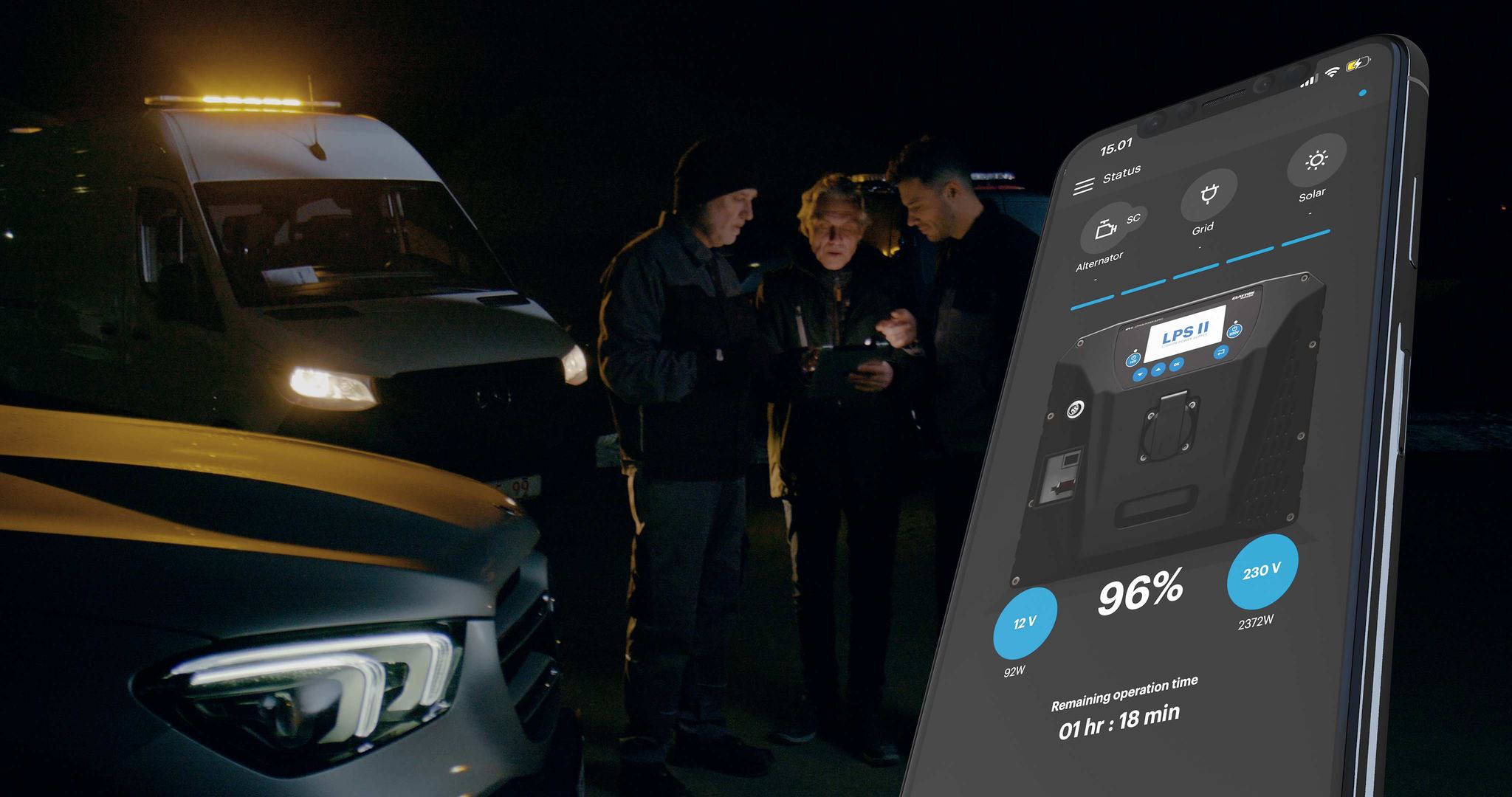
Download the Clayton Power Go app to your phone and get easy access to the LPS features.
ReadClayton Power
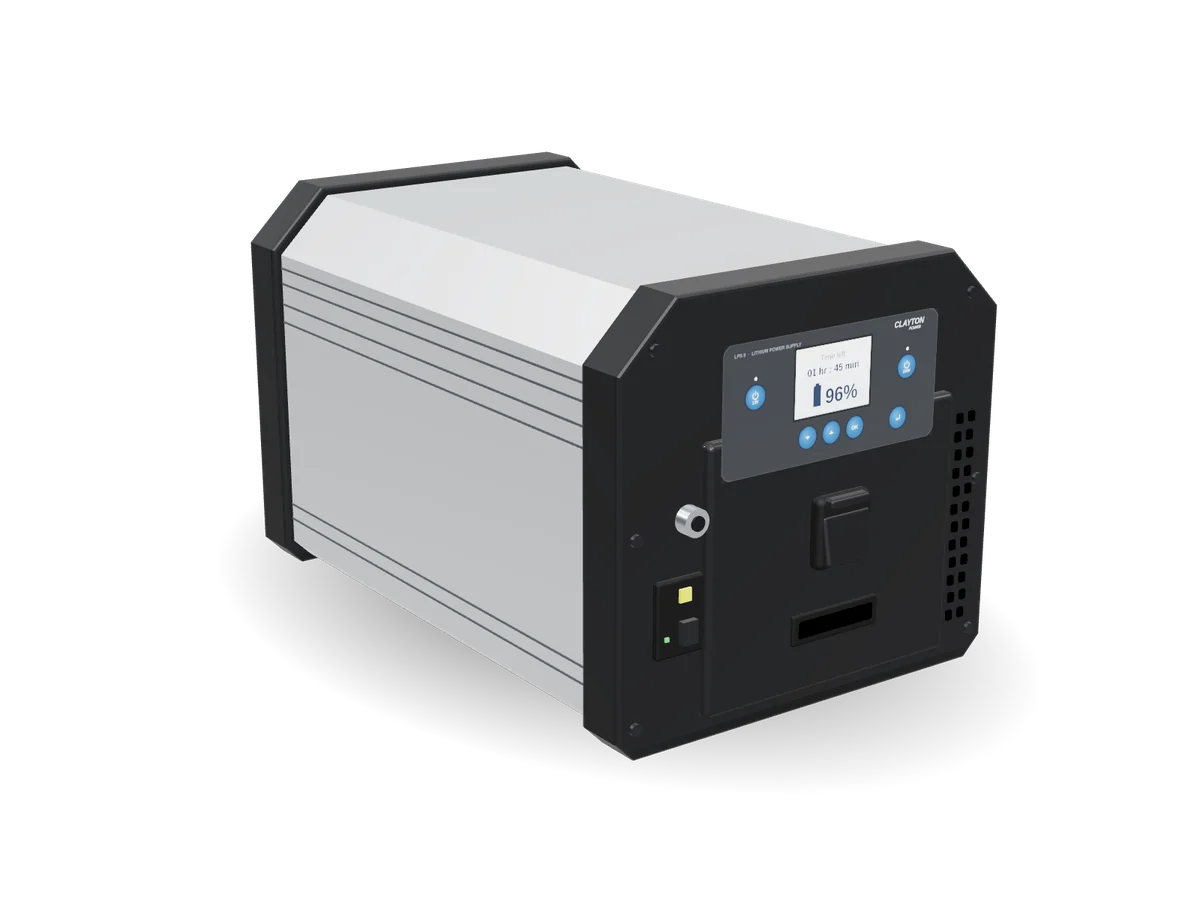
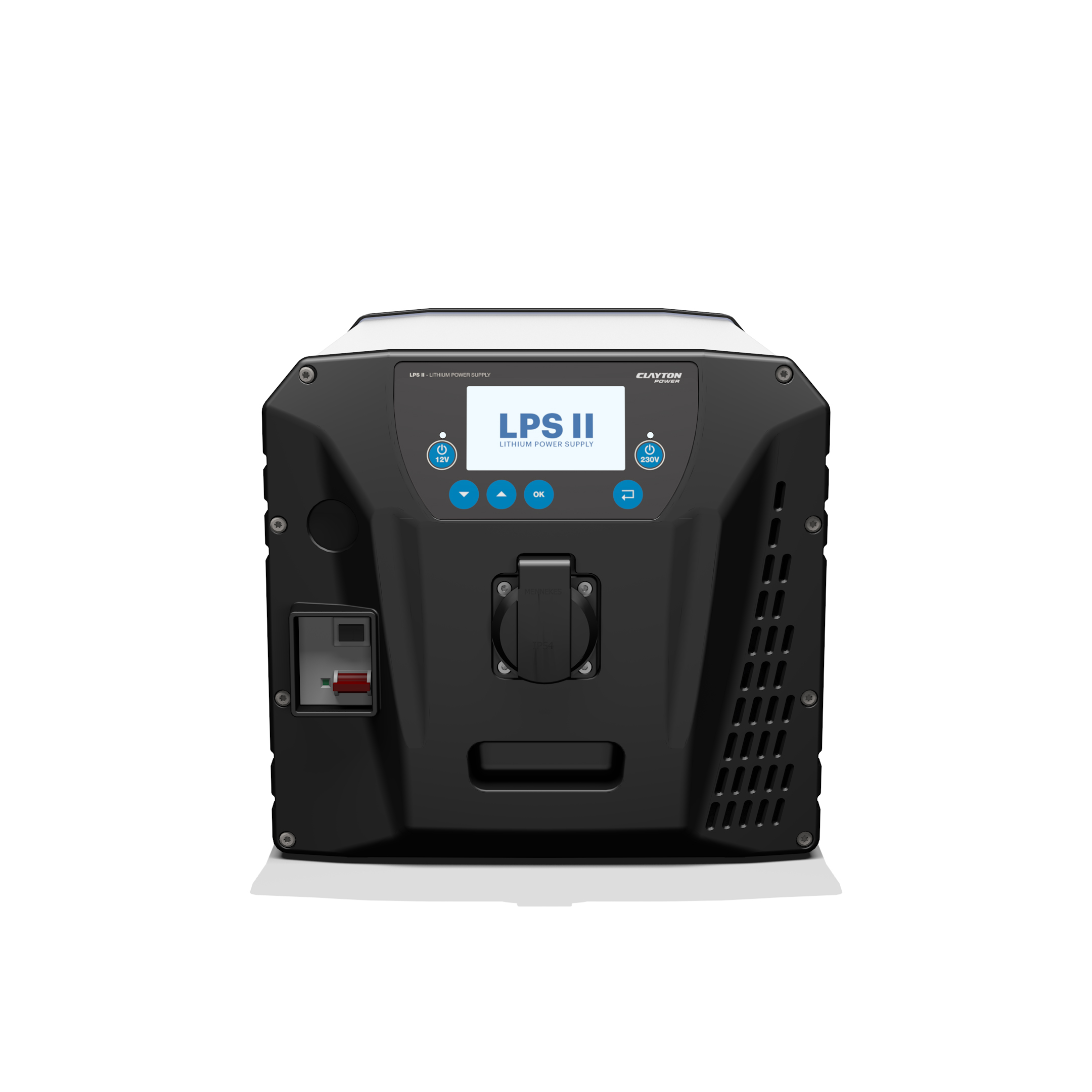
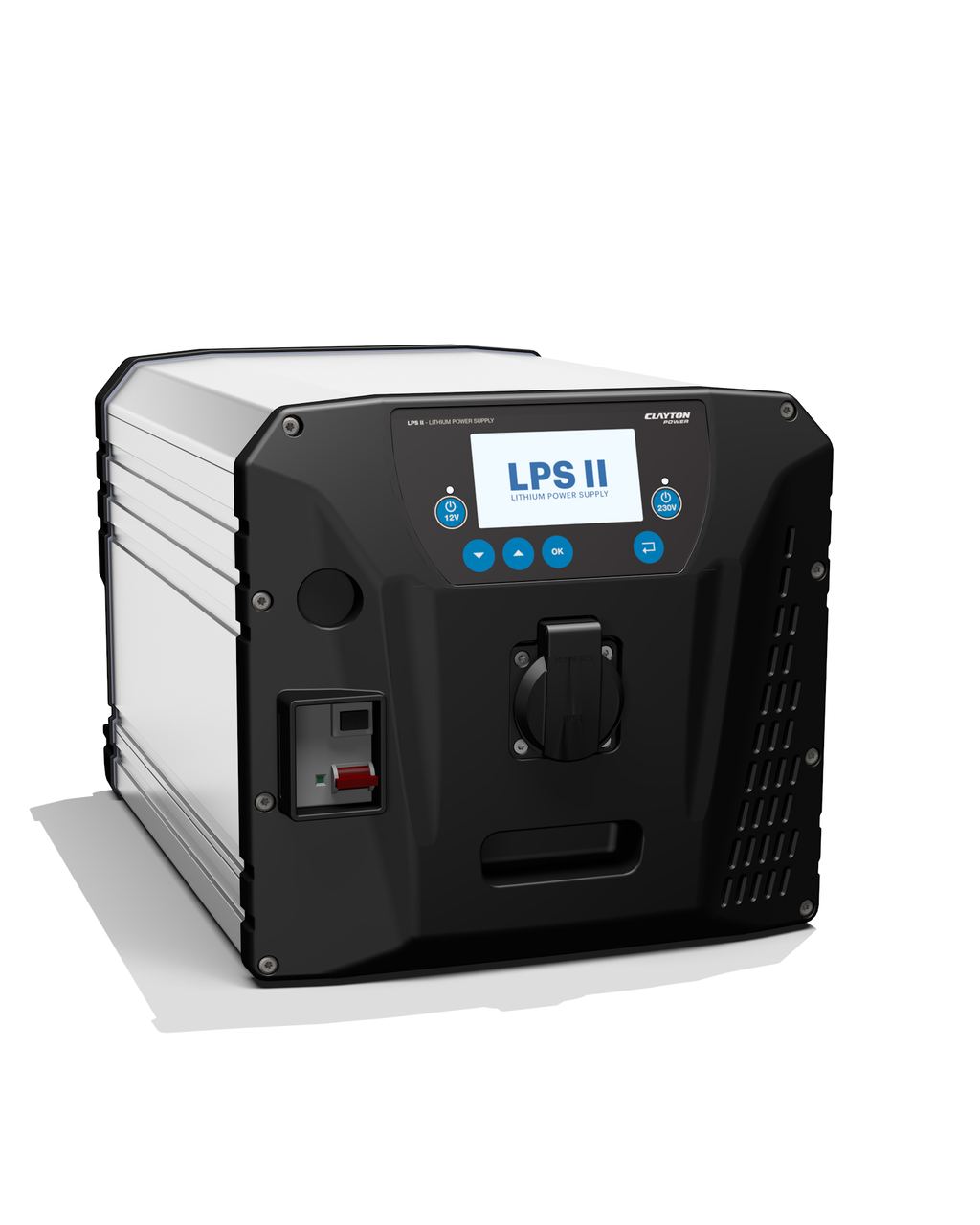
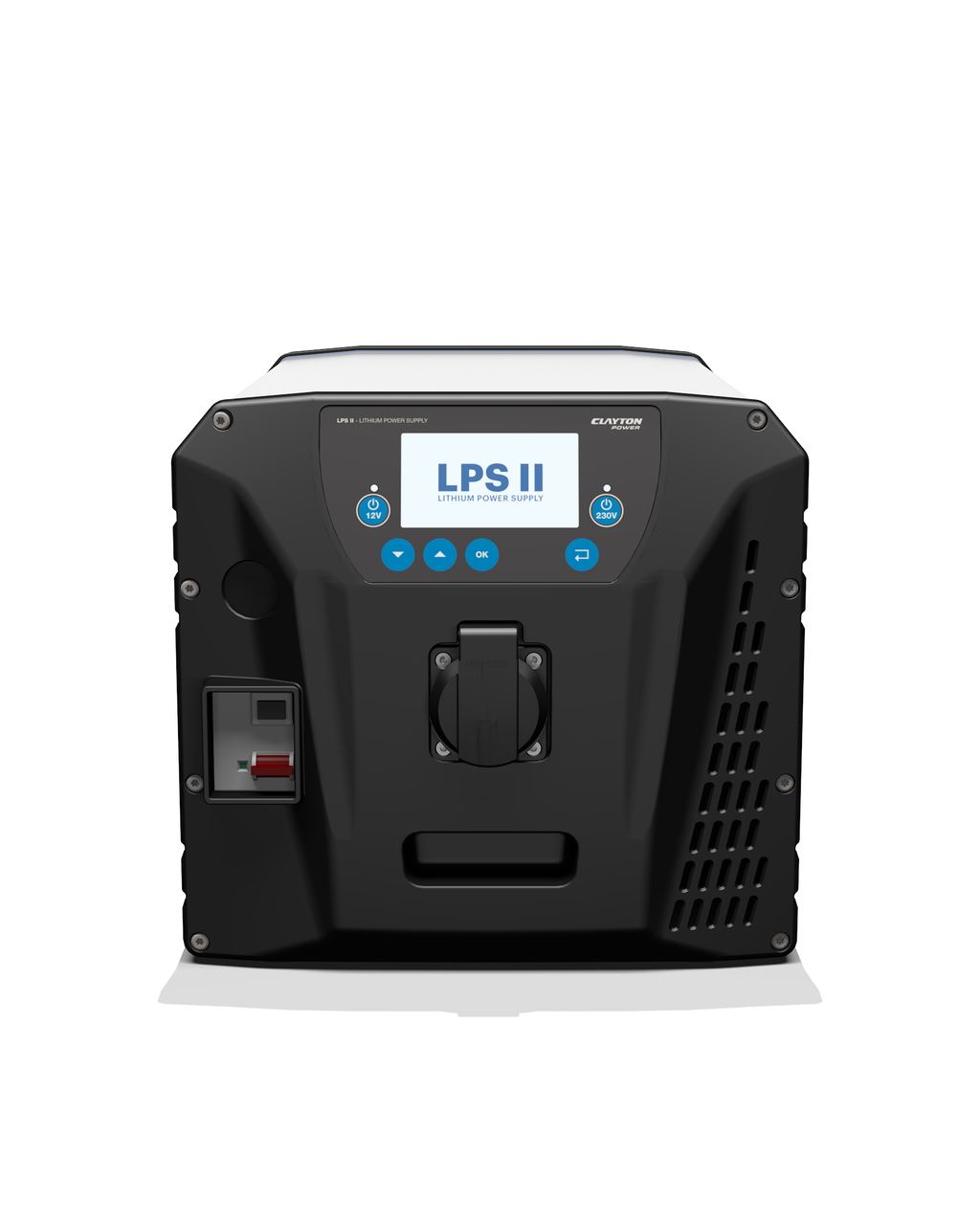
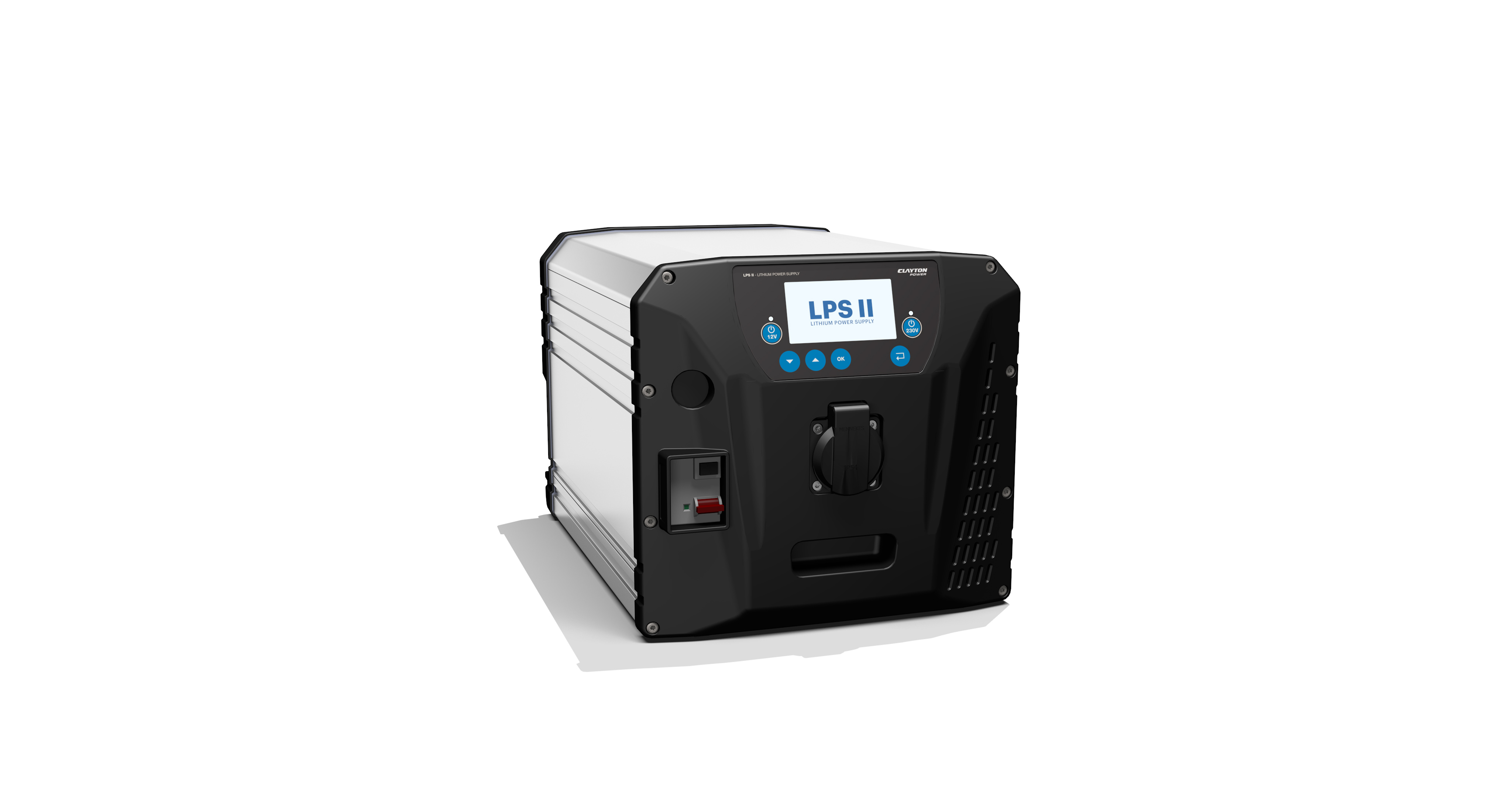
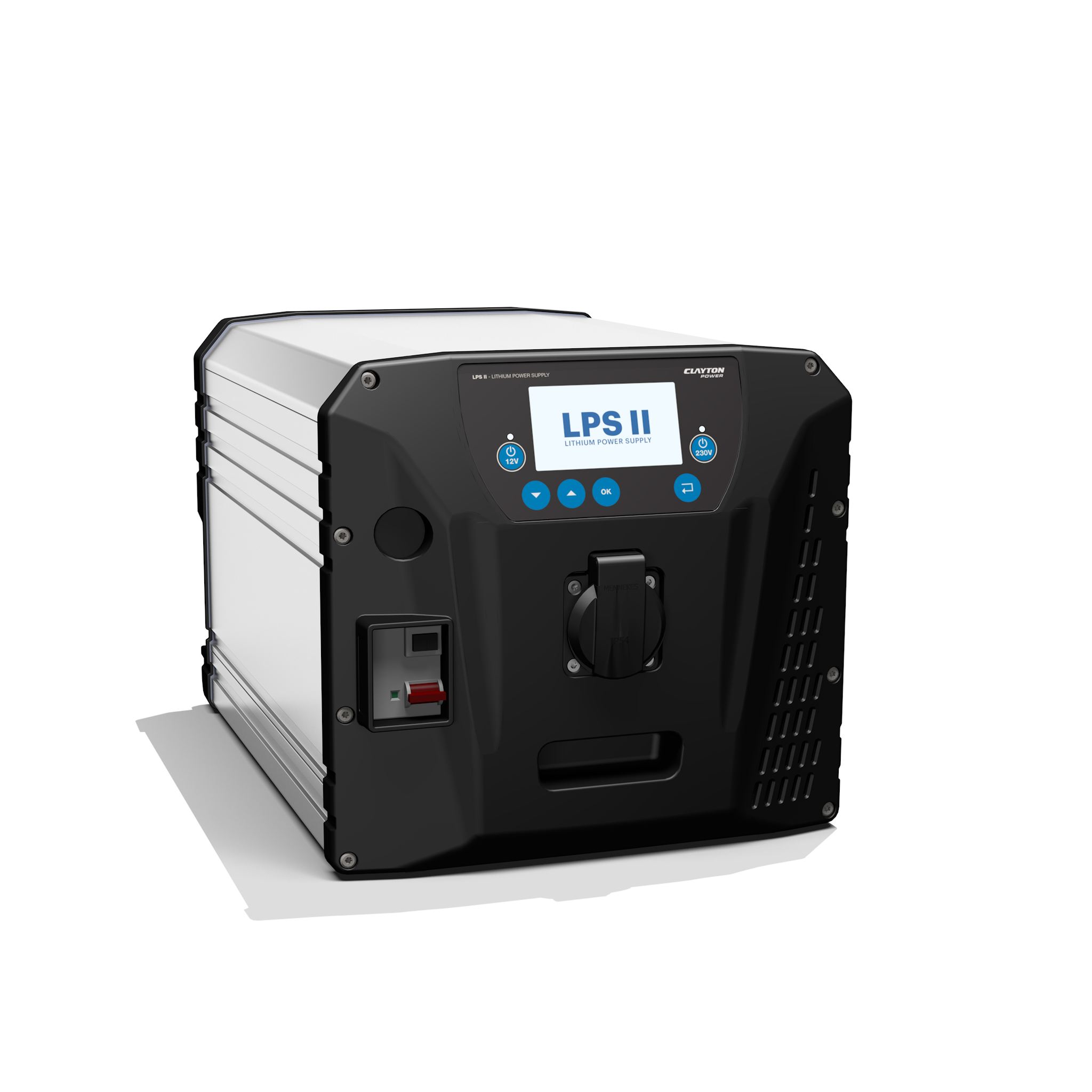
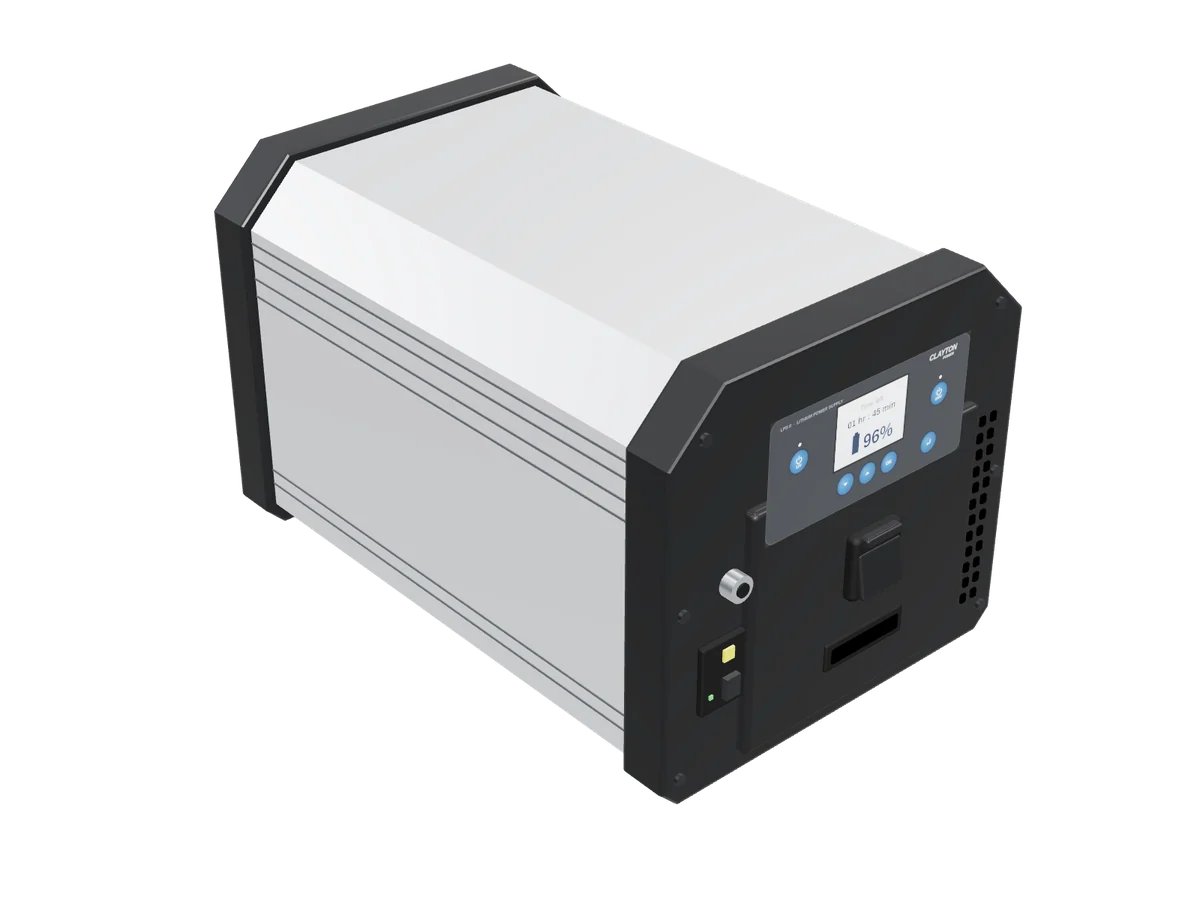
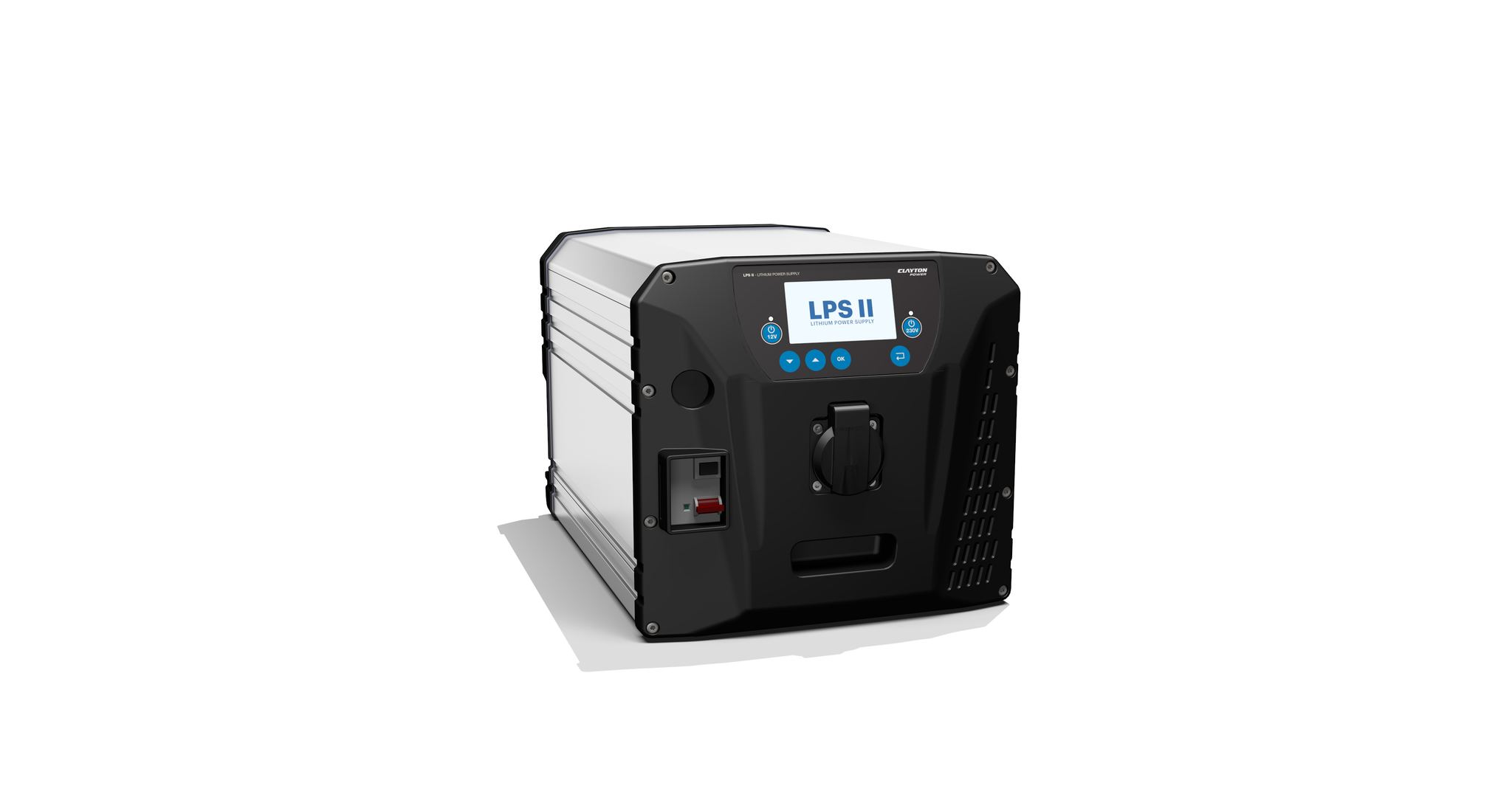
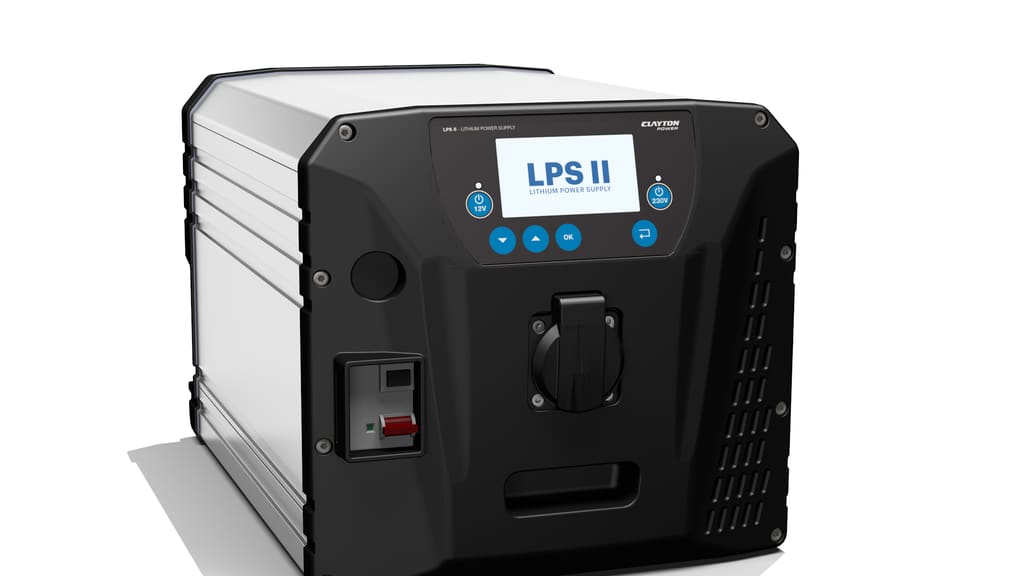
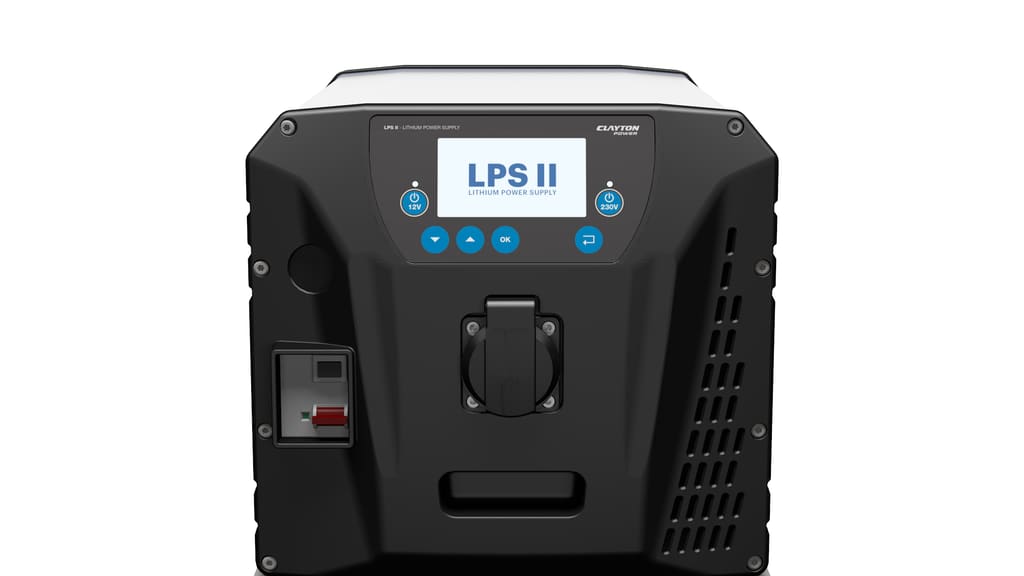
Demo render of the LPS II — drag to turn. For the live site, use 24–72 stills from a turntable or the CAD render.
Clayton Power
Lithium power systems that keep vehicles, tools and teams running — quietly, with zero idling.
Clayton Power
Example:
Workflow: 3 tasks at 3 different locations.
Driving: Approx. 2 hours in total per day.
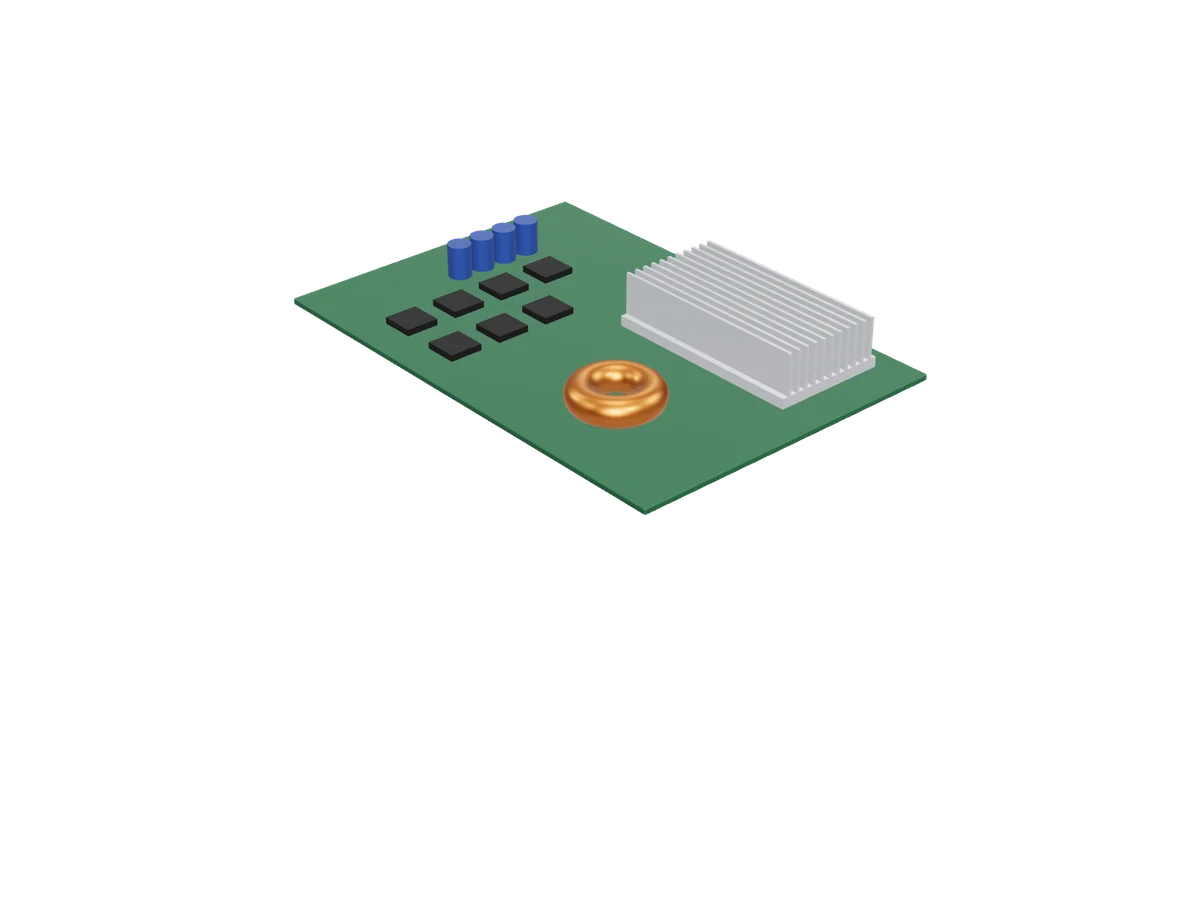
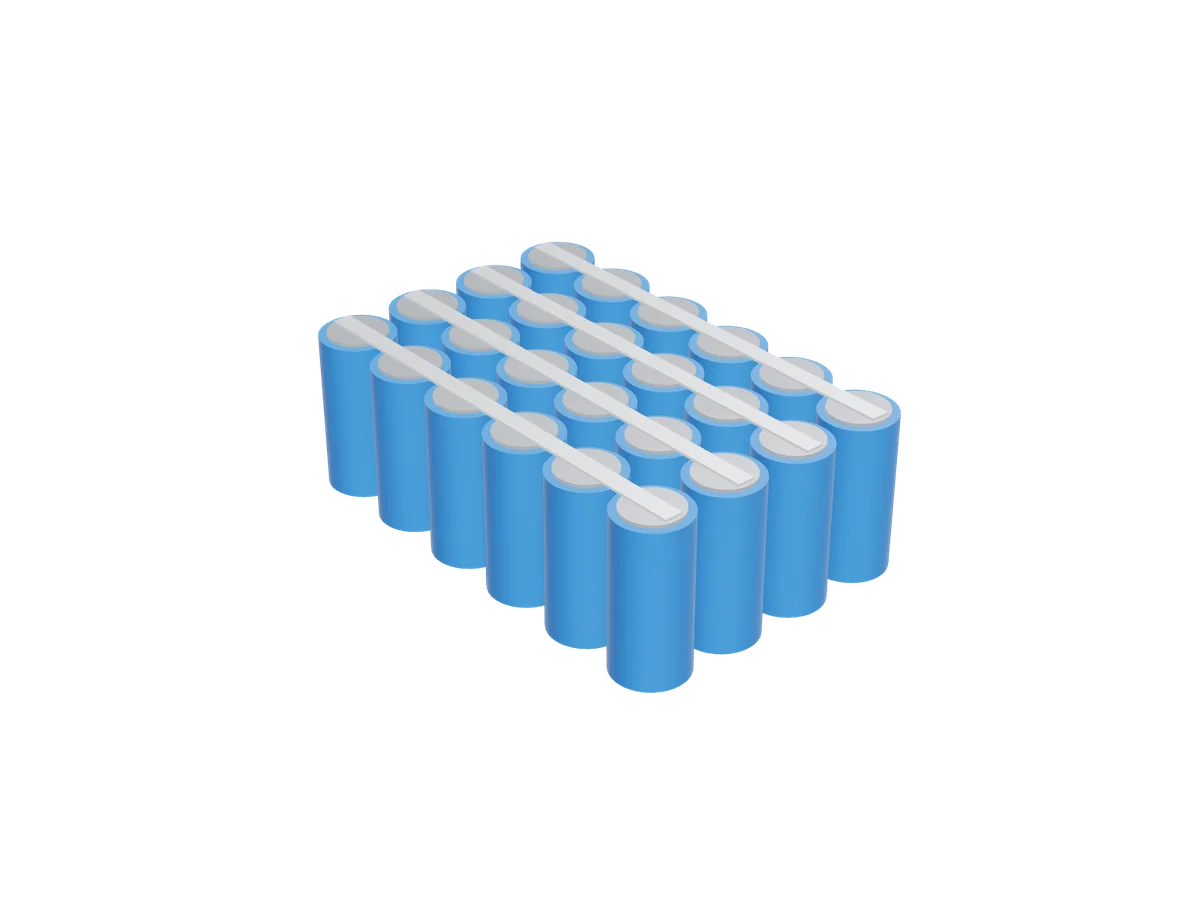
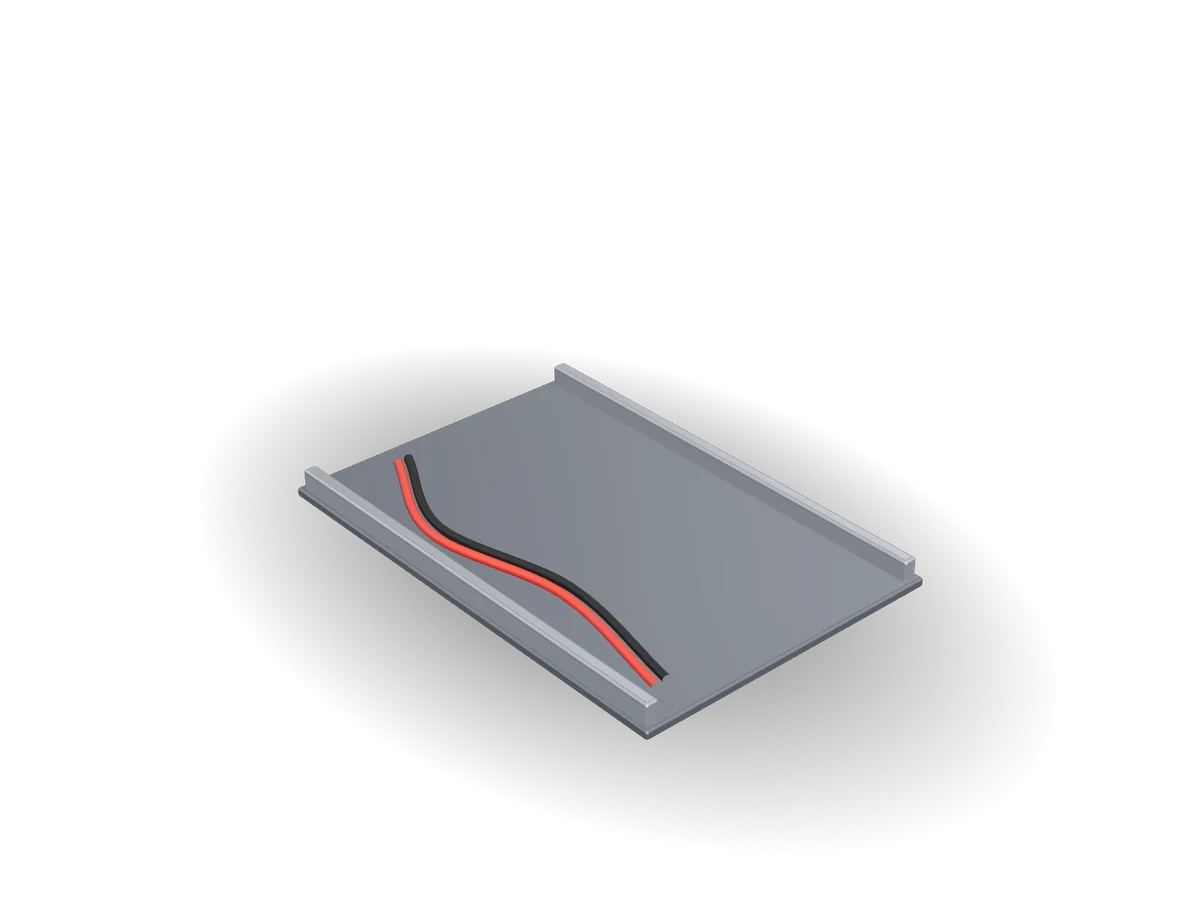
Demo render · illustrative internals
Clayton Power
Lithium power systems that keep vehicles, tools and teams running — quietly, with zero idling.
Lithium power systems that keep vehicles, tools and teams running — quietly, with zero idling.
Clayton Power
Clayton Power
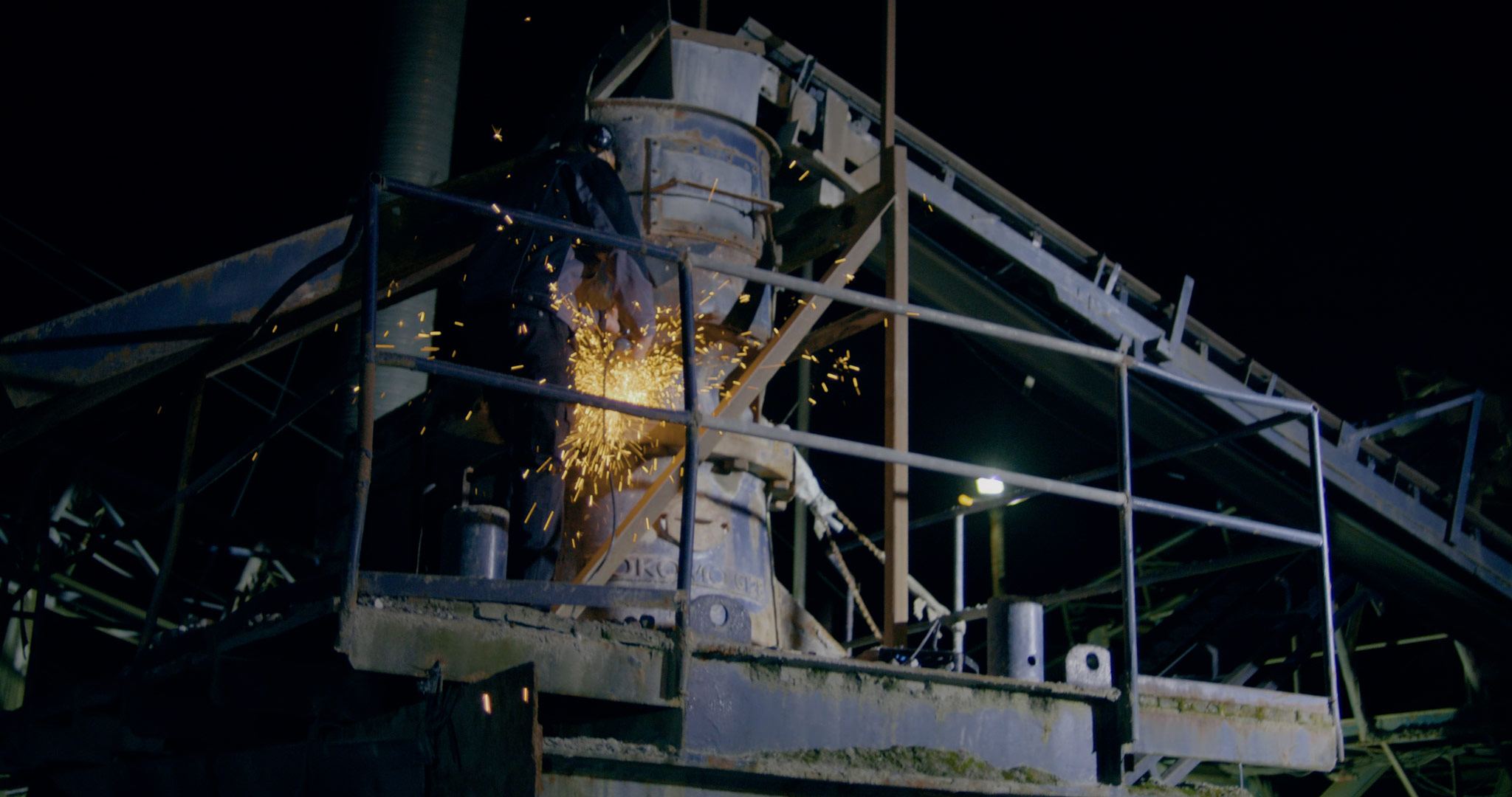
Noise, fumes and fuel — just to keep the lights on.
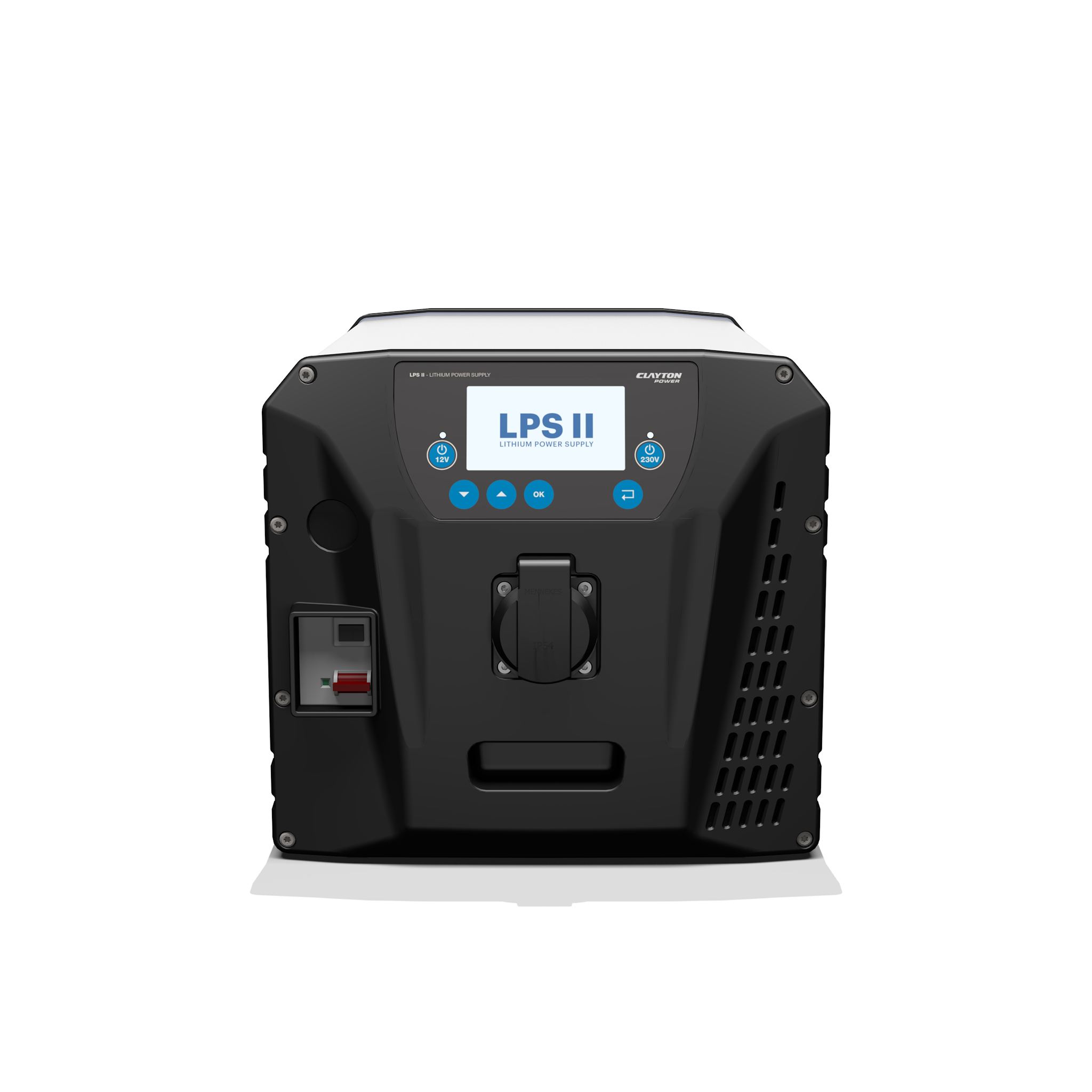
Electric vans have limited 12 V capacity for additional equipment (including warning and work lights) and are not always equipped to power professional tools. LPS II provides its own reliable 230 V AC and 12 V DC power supply, with high peak inrush power for demanding tools and the option to expand battery capacity with additional G4 lithium-ion batteries.
Dedicated EV settings allow LPS II to recharge through the vehicle’s 12 V electrical system, in accordance with the manufacturer's specifications. The system monitors the vehicle's electrical status and controls charging without draining its 12 V battery.
Monitor state of charge, energy consumption and system health through the Power Platform with the optional IoT modem. Fleet teams get a clear overview of performance across their deployed systems, helping them keep mobile operations running reliably.
LPS II can power electric heaters using its own battery capacity, expandable with additional G4 batteries for longer heating periods. This keeps the van warm without relying on diesel heaters or drawing energy from the vehicle’s traction battery, helping preserve driving range.
The built-in jumpstart gets a flat 12 V battery going again, and the LPS II can keep that battery from going flat while the van stands still. In an emergency, it can also give the traction battery the extra few kilometres needed to reach a charge point.
Clayton Power
Clayton Power
Lithium power systems that keep vehicles, tools and teams running — quietly, with zero idling.
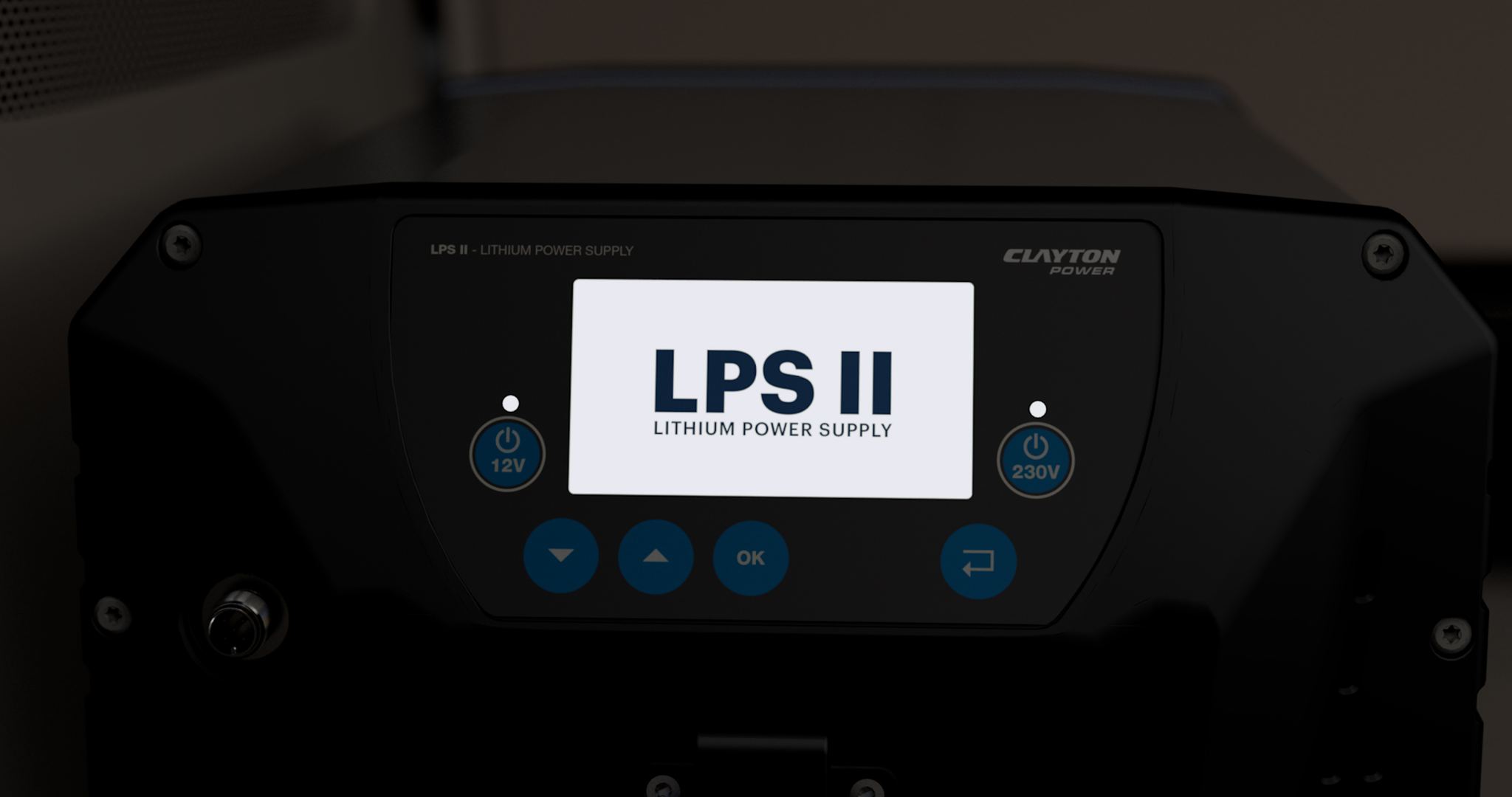
Lithium power systems that keep vehicles, tools and teams running — quietly, with zero idling.

Lithium power systems that keep vehicles, tools and teams running — quietly, with zero idling.

ædsoufgw
AWEÆFO HNU9GVPh
kurhfsgkljherg
ædsoufgw
AWEÆFO HNU9GVPh
ædsoufgw
AWEÆFO HNU9GVPh
Modular 400 V three-phase, 230 V and 12 V power solutions.
Modular 400 V three-phase, 230 V and 12 V power solutions.
Modular 400 V three-phase, 230 V and 12 V power solutions.
Modular 400 V three-phase, 230 V and 12 V power solutions.
Modular 400 V three-phase, 230 V and 12 V power solutions.
Clayton Power
Start with selected vehicles, test the solution in real conditions and use what you learn to create a stronger rollout plan. Your teams get a practical solution that works in the field, and management gets a better foundation for decisions about investment, implementation and future fleet development.
Step 1
Identify which vehicles need power, what they need to power and how they are used.
Step 2
Create one or more repeatable configurations based on vehicle type and application.
Step 3
Validate the solution in selected vehicles and gather feedback from the people using them.
Step 4
Roll out the solution more broadly with a stronger basis for decisions.
Clayton Power | Engineered energy for mobile operations.

Commercial Vehicle Power
Power tools, chargers and equipment directly from the vehicle. Clayton Power systems reduce interruptions and dependence on generators, engine idling and external charging points.

Combining power, system control and data to make work cleaner, smarter and more reliable.
Proof in the field
Real fleets, real vehicles, real outcomes — across utilities, construction, telecom and emergency services.
Installer programme
Fleet profile, role, and key use case
Route to the relevant stakeholder-focused demo flow
Connect to sales and solution engineering workflows
Clayton Power
Industry
Silent, emission-free power where the work happens.

Industry
Silent, emission-free power where the work happens.
Industry
Silent, emission-free power where the work happens.
Industry
Silent, emission-free power where the work happens.
Industry
Silent, emission-free power where the work happens.
Industry
Silent, emission-free power where the work happens.


0-6
Metrics in by-the-numbers section
0
Primary outcome headline per story
0
Strong CTA to request a demo
Our solutions
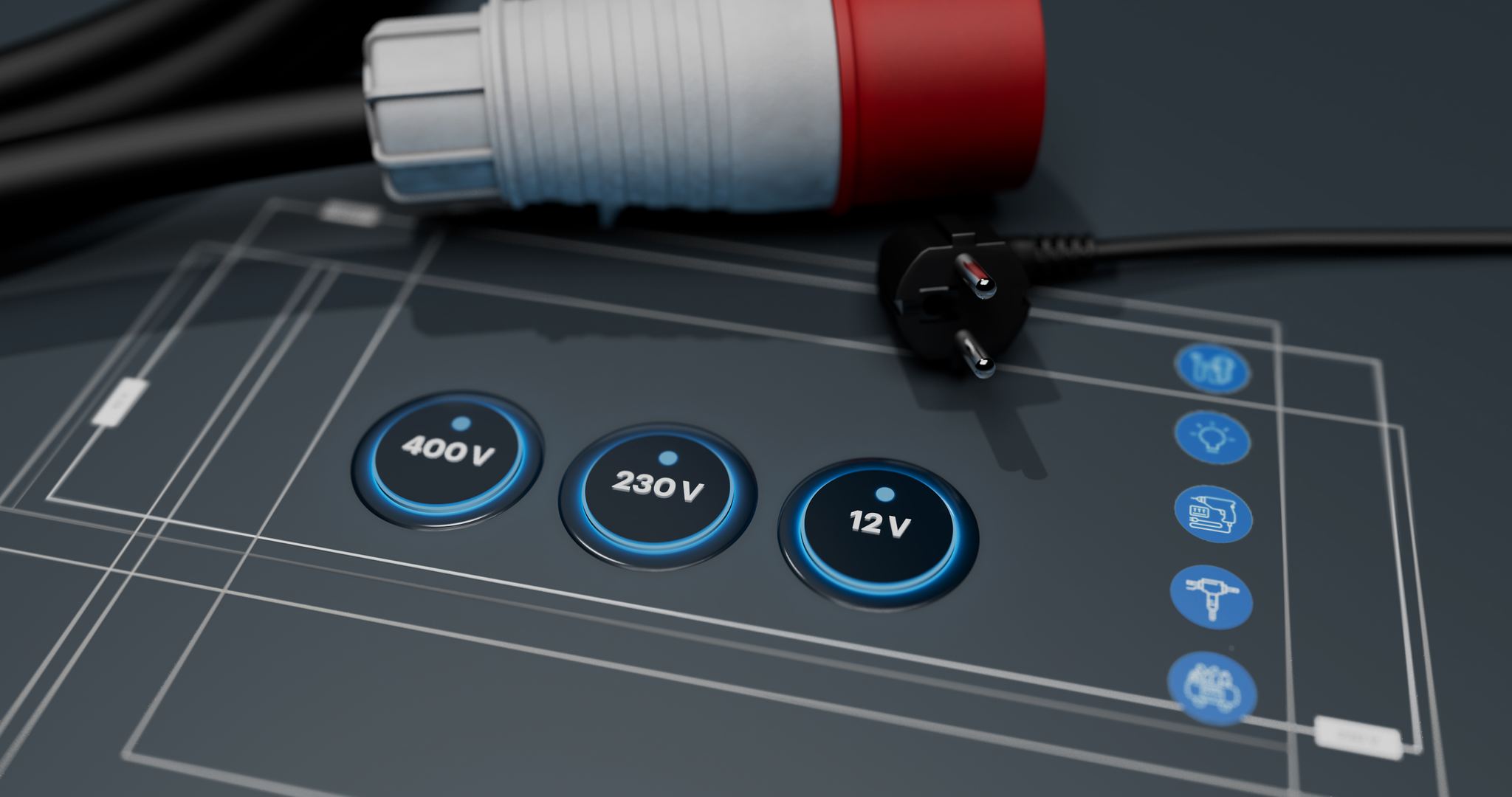
Power for Mobile Work
Mobile power built for professional service vehicles. Less idling, fewer charging stops, more reliable daily operation.
Explore solution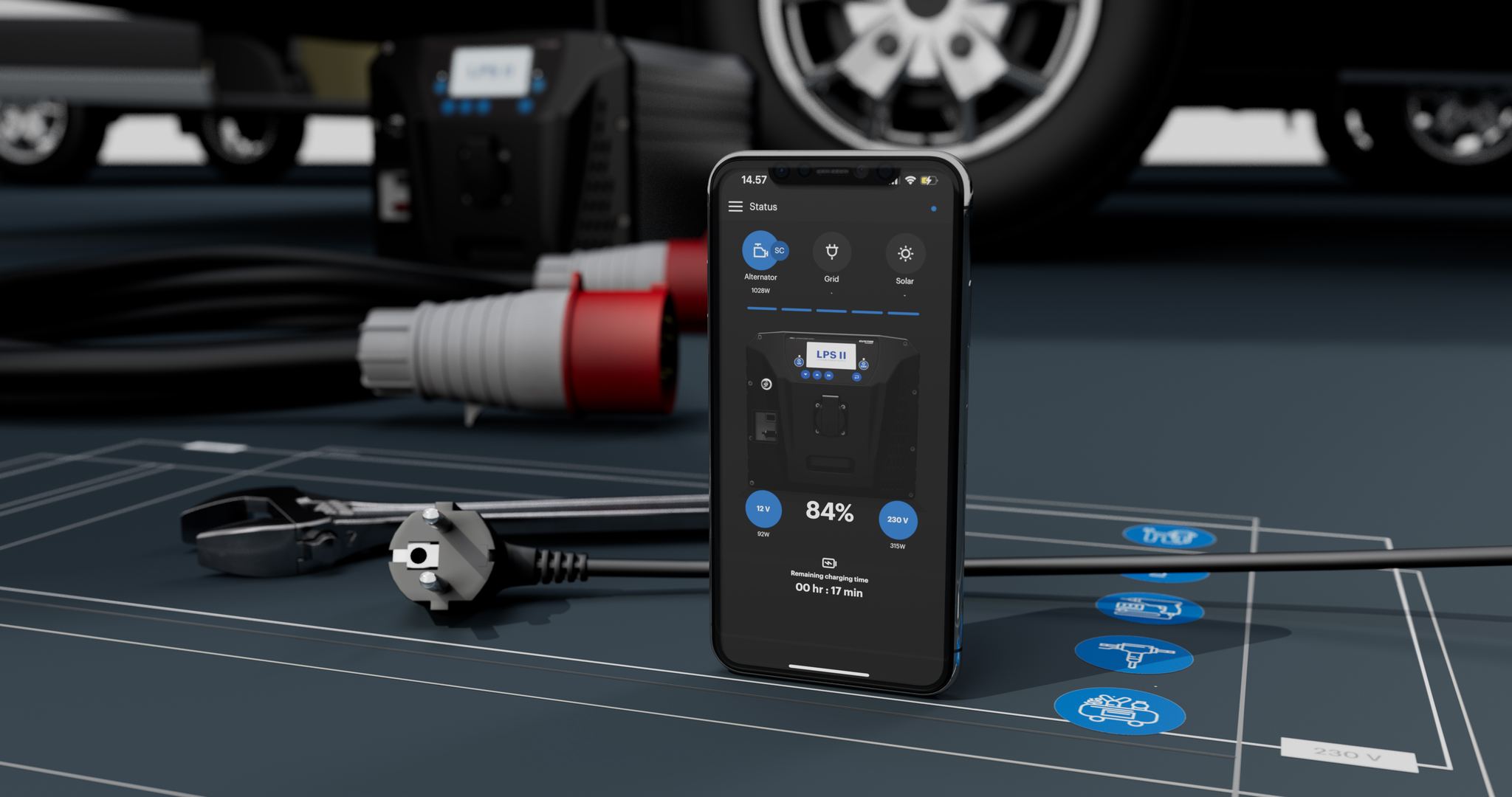
Power for Vehicle Builders & Dealers
A complete, pre-engineered power system for vehicle builders, converters and dealers. One supplier, one approval path, lifecycle support included.
Explore solution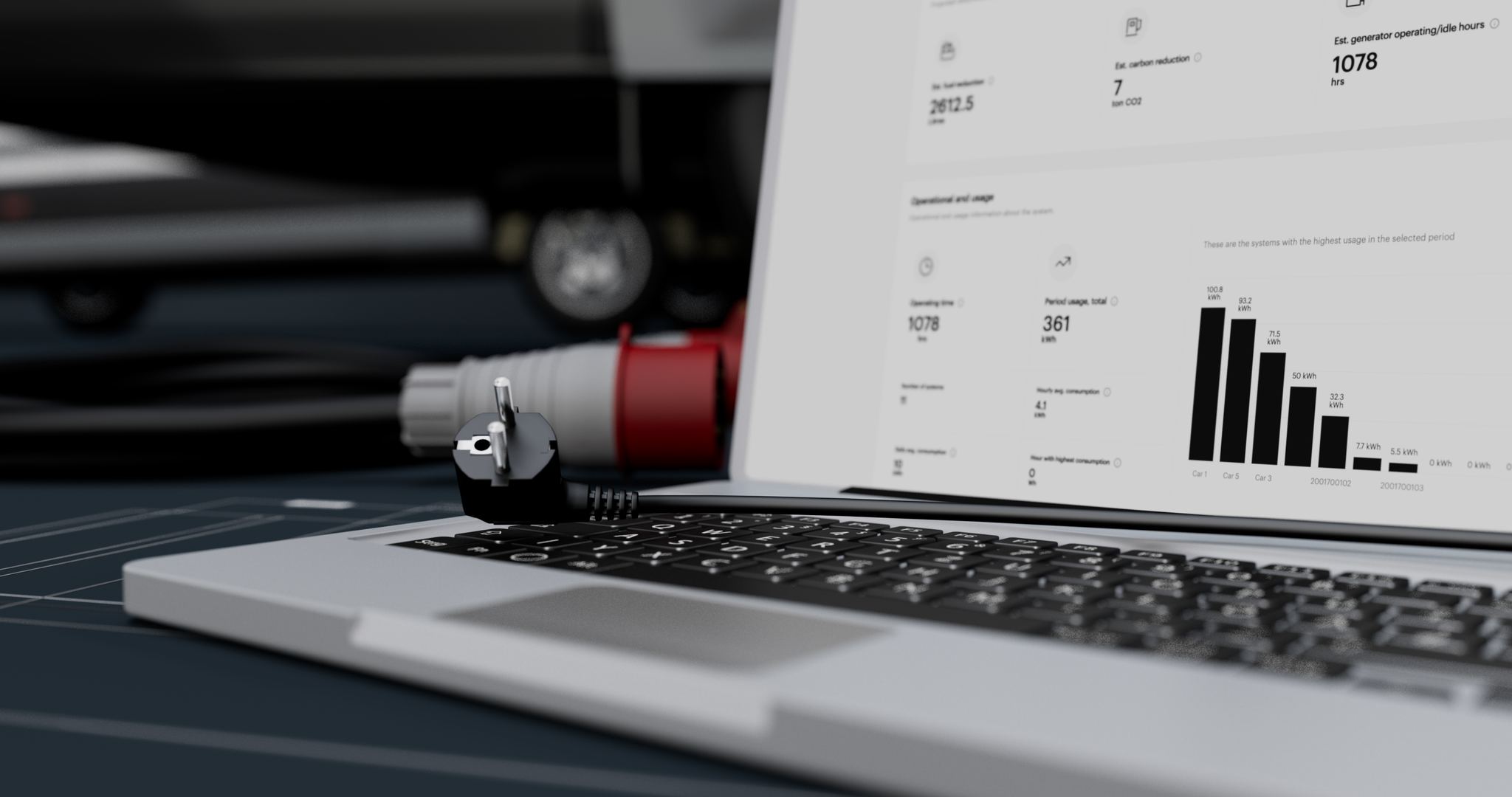
Energy for Electric Mobile Work
Vehicle-to-load energy and live fleet visibility for large electric fleets. Turn the battery in every van into a working tool.
Explore solution95kg
Payload saved
Less system weight frees up valuable payload capacity for tools and equipment.
660hrs
Annual saved engine idling
Battery power eliminates the need to run the van engine while working on site.
858litres
Annual saved fuel
Avoiding engine idling reduces diesel consumption and operating costs.
2290kg/CO2
Annual carbon reduction
Lower fuel consumption means fewer CO2 emissions from daily operations.
Clayton Power

Cards & Grids
Lithium power systems that keep vehicles, tools and teams running — quietly, with zero idling.
Learn moreCards & Grids
Lithium power systems that keep vehicles, tools and teams running — quietly, with zero idling.
Learn moreCards & Grids
Lithium power systems that keep vehicles, tools and teams running — quietly, with zero idling.
Learn moreClayton Power
| Feature | From first coffee to last job Price Note | Silent, clean, always on Price Note | Engineered in Denmark Price Note |
|---|---|---|---|
| Feature | 400 W | 3.5 kWh | 400 W |
| Feature | 400 W | 3.5 kWh | 400 W |
| Feature | 400 W | 3.5 kWh | 400 W |
Built for mobile work.

Power for pipe installation, service work and field operations in drinking water networks.
Reliable power for installation, maintenance and on-site equipment.
Power for curing equipment, tools and controlled work processes on site.
Reliable energy for inspection systems, cameras and field diagnostics.
Typical challenges
For converters, this creates a clear opportunity: offer something stronger than a standard vehicle setup - a complete mobile energy solution that adds value for the customer from day one.
Clayton Power

Quieter power and lighter vehicles with Clayton Power.

The LPS from Clayton Power is a key step in National Grid’s move towards fully electric vehicles. This technology helps eliminate the need for diesel engines, aligning with regulatory goals to cut emissions and create a greener fleet that remains fully operational.

They have a more efficient working day, happier employees and a stronger position in a market where a fossil-free power solution makes a difference.

Net-zero: The transition to electrification was a no-brainer

Compact power supply with zero idling in Aarsleff Rail's vehicles

Bernard Degroote looks for an alternative to the generator. The powerful LPS has sufficient output and capacity to meet Bernard Degroote's requirements. They replaced the generator with the 3

“If two people are trimming hedges all day, we probably use 8 batteries,” says Bente, a landscape gardener who works for 4Hoeje in Denmark.
Clayton Power
Demo figures — replace with documented numbers and explain the estimate here.
Clayton Power
Demo figures — replace with measured values before publishing.
Conversion Path
Lithium power systems that keep vehicles, tools and teams running — quietly, with zero idling.
Clayton Power
Configure your solution

The world of Clayton Power
Clayton Power
Tap to add. Use + and − for more than one.
Lithium power systems that keep vehicles, tools and teams running — quietly, with zero idling.
Our solutions support customers’ net-zero commitments by enabling lower-carbon mobile power and providing documented lifecycle data for reporting and decision-making. This creates practical sustainability value where it matters most: in daily operations, at worksites and across mobile fleets.
Our own approach is focused on taking responsibility for our value chain and maintaining a firm commitment to transparency.
We work with our suppliers and across our operations to increase circularity, accelerate decarbonisation and strengthen business resilience.
Our sustainability work is supported by third-party LCA documentation, EU Taxonomy and SFDR Article 9 assessments.
Lithium power systems that keep vehicles, tools and teams running — quietly, with zero idling.
The world of Clayton Power
Clayton Power
Bredaseweg 21 Weelde
2381
Belgium
Deerlijksesteenweg 101 B-8530 Harelbeke
Belgium
Passendalesteenweg 5 8840 Westrozebeke
Belgium
Brusselsesteenweg 16B 3020 HERENT
Belgium
Jagershoek 2 A 8570 Vichte
Belgium
Rue des trois Entités 14
4890
Belgium
Schardouwstraat 2 Izegem
8870
Belgium
Staatsbaan 4 Adegem
9991
Belgium
Geluwesesteenweg 134 8940 Wervik
Belgium
Smolderstraat 13 3454 Rummen
Belgium
Katwilgweg 4 2050 Antwerpen
Belgium
Stuifzandstraat 57 Overpelt
3900
Belgium